Sigma 17–40mm f/1.8 DC Art
vs
Fujifilm 16–55mm f/2.8 MK II:
The Ultimate Premium X-Mount Zoom Battle
Intro
Holiday sales are starting, which makes this a good time to answer the expensive question: which of these two X-Mount zooms is worth your money?
I shoot Fujifilm for paid work and for myself. Over the past few weeks, I’ve carried the Sigma 17-40mm f/1.8 DC DN Art and the Fujifilm XF 16-55mm f/2.8 R LM WR MK II to client sessions and on trips. I’ve also used them on ordinary days when I took a camera along for no particular reason. The conclusions here come from switching between the two in those situations.
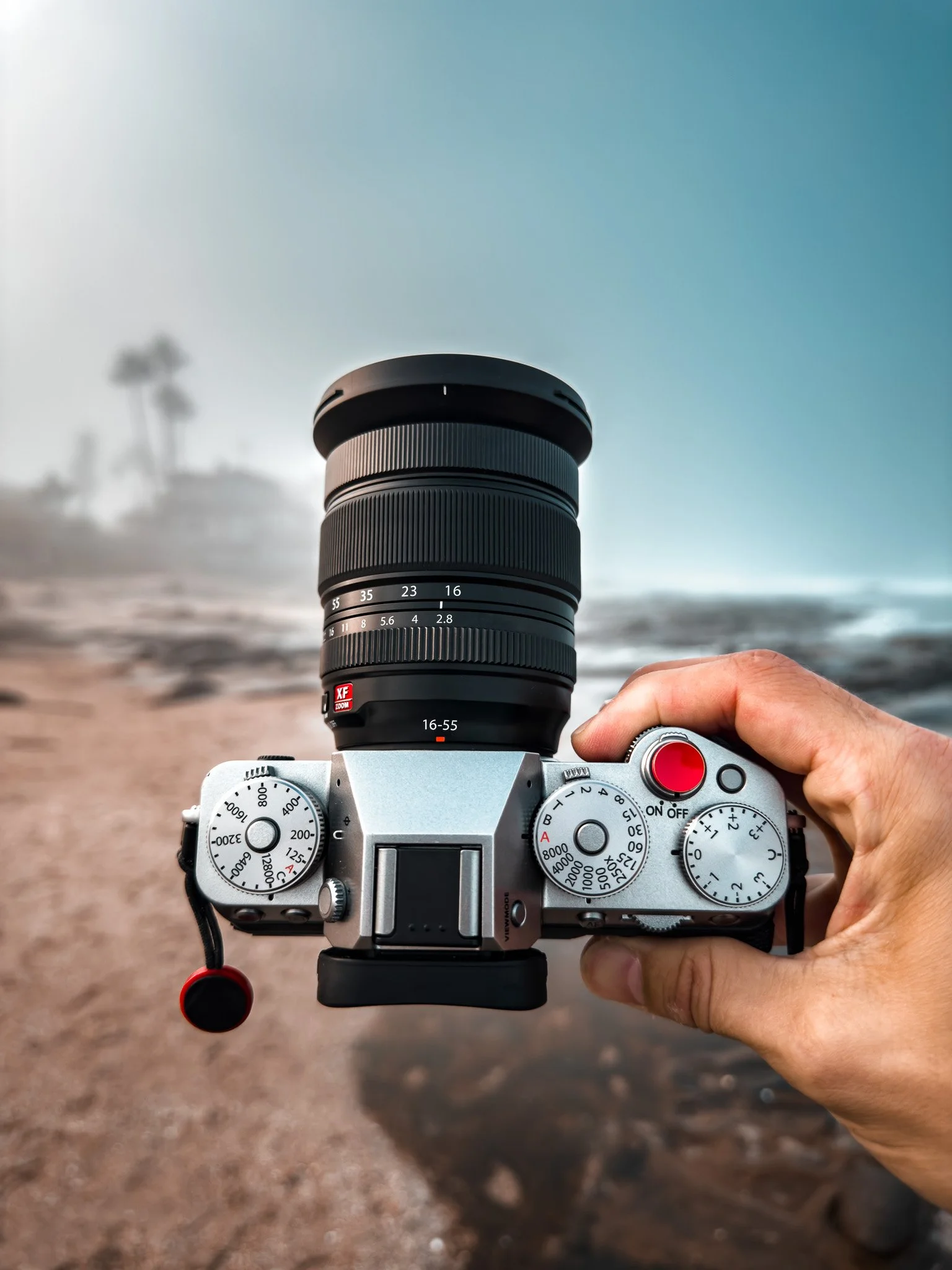
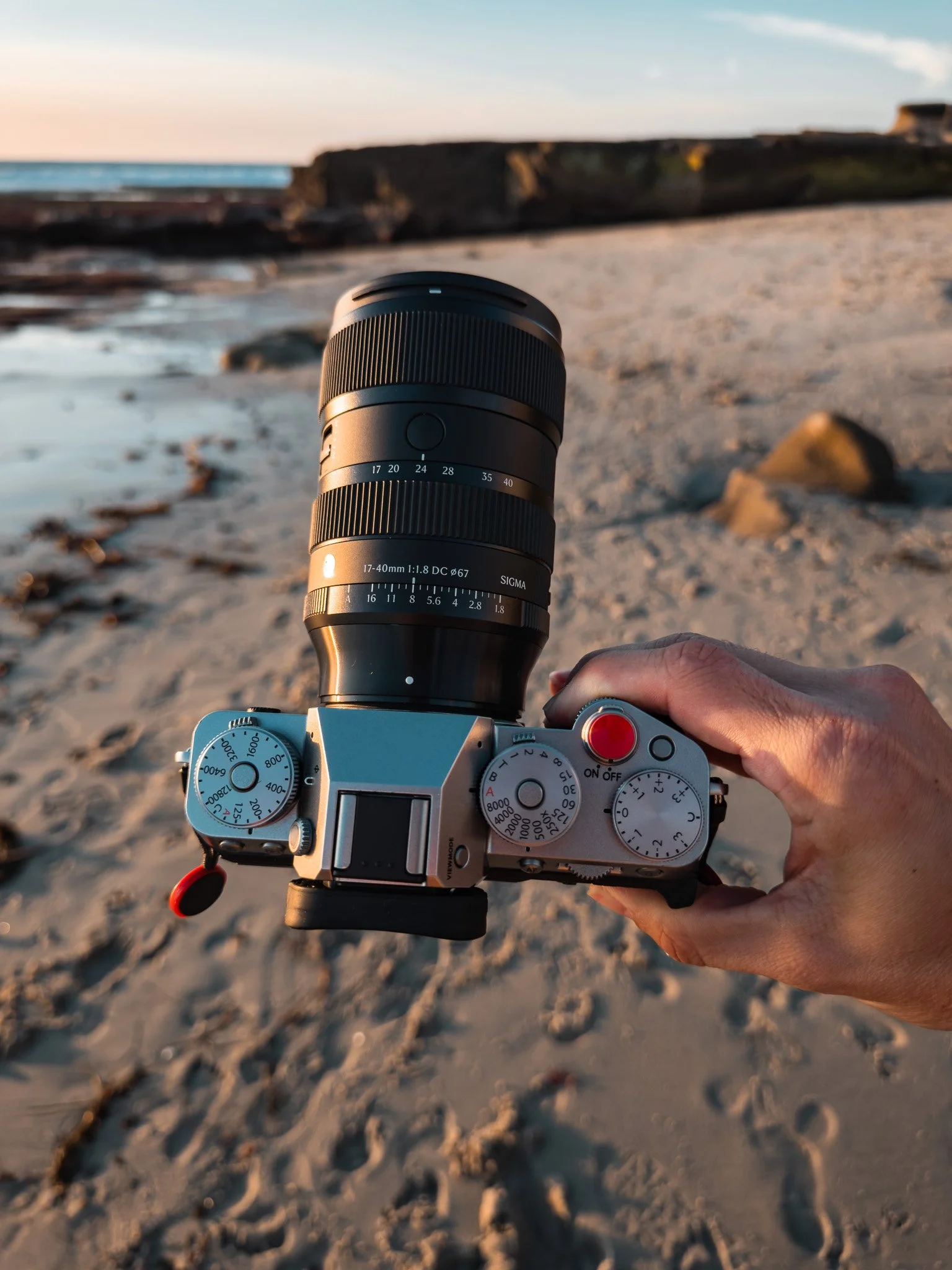
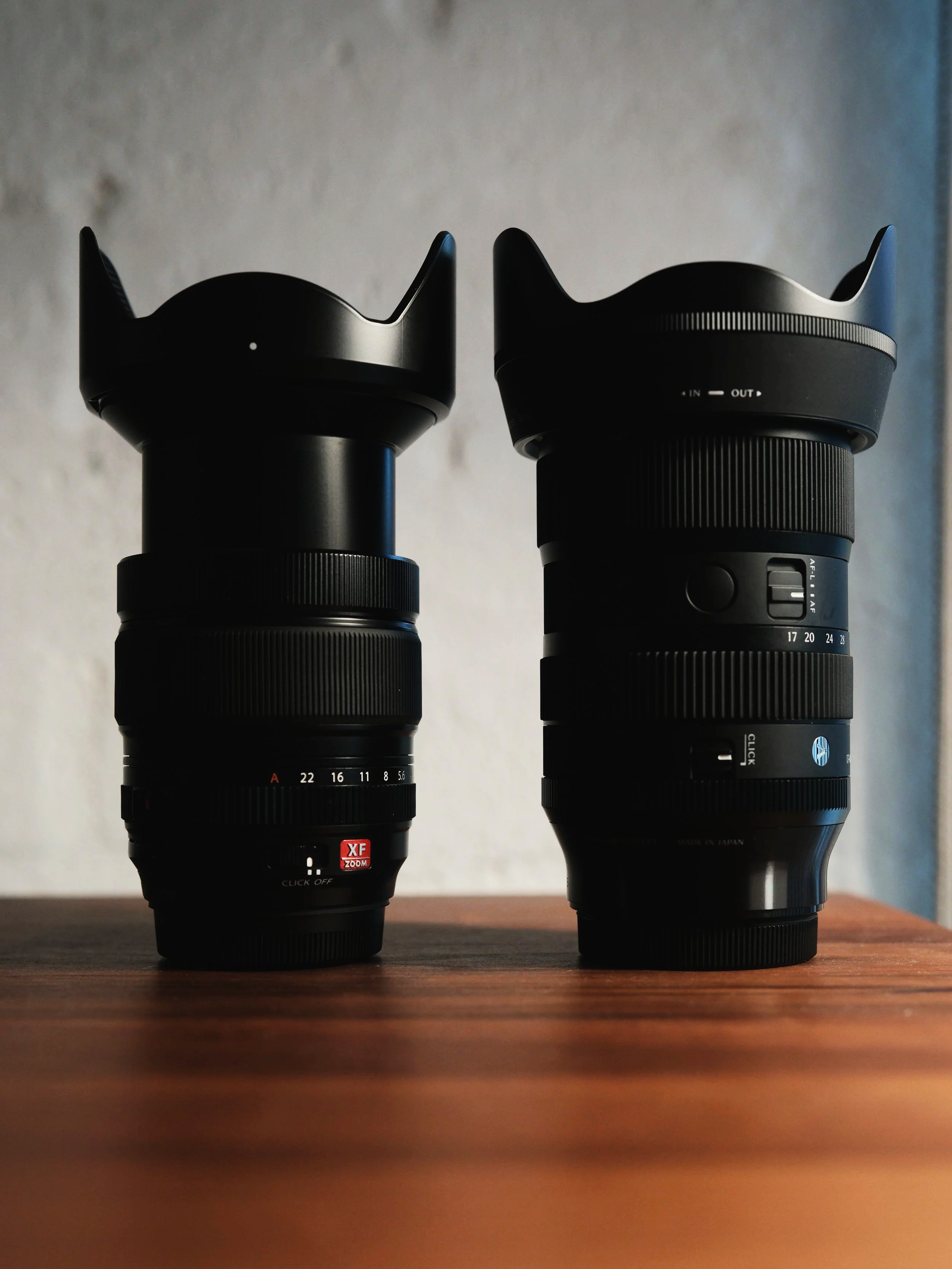
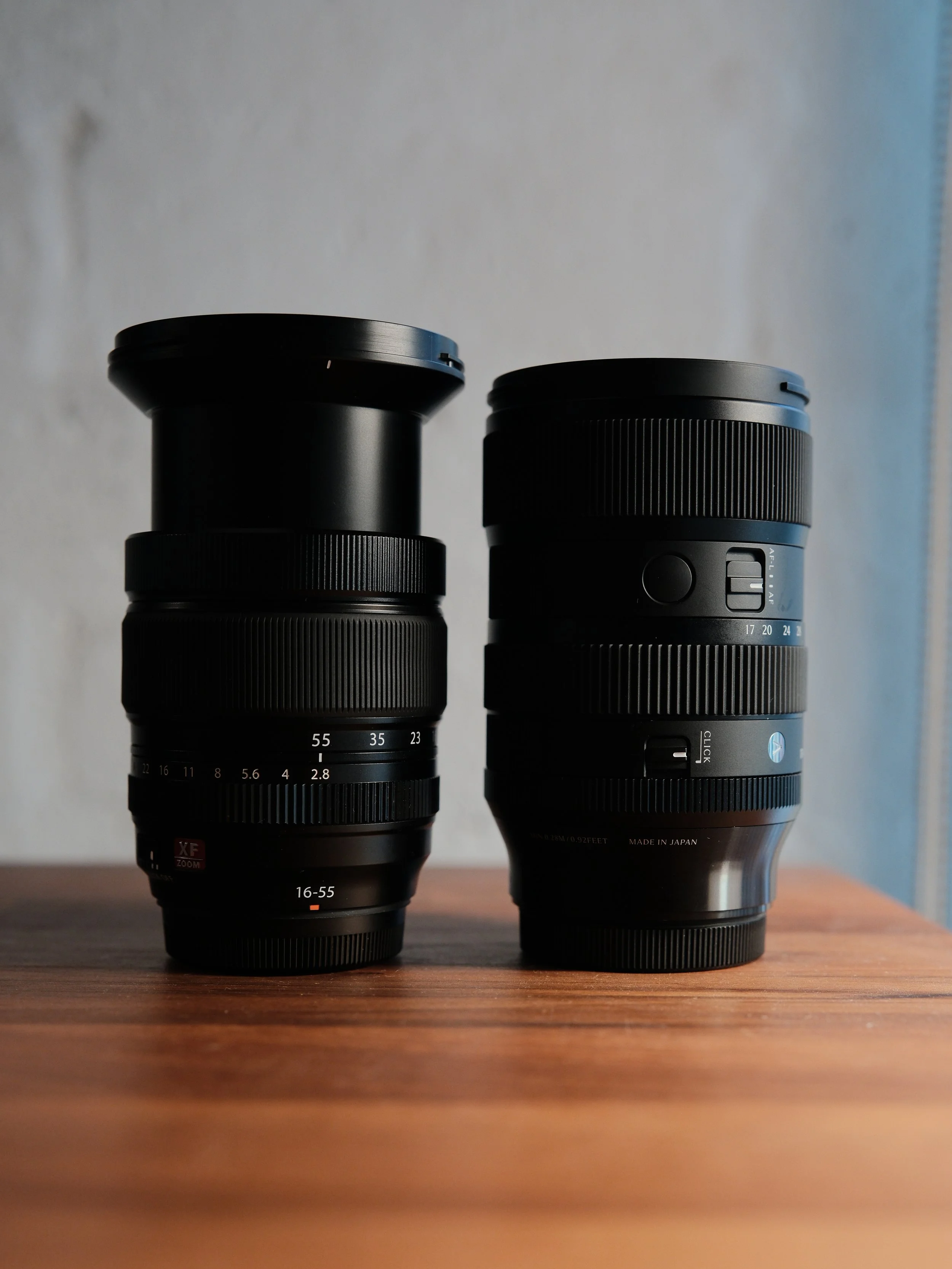
Fujifilm released XF 16-55mm f/2.8 R LM WR MK II back in October 2024 and unsurprisingly, it was received extremely well and praised for its smaller, more intelligent, and lighter design.
Then Sigma released the 17-40mm f/1.8 DC DN Art in June of this year, and it instantly caught my attention. A constant f/1.8 aperture lens for APS-C?! That seemed wild and a bit out of nowhere, and I knew I needed to get my hands on it. This review is based on the past few weeks of using both lenses in my day-to-day.
Let’s talk shop. Here we go.
Build Quality
Spoiler: Both are well-built.
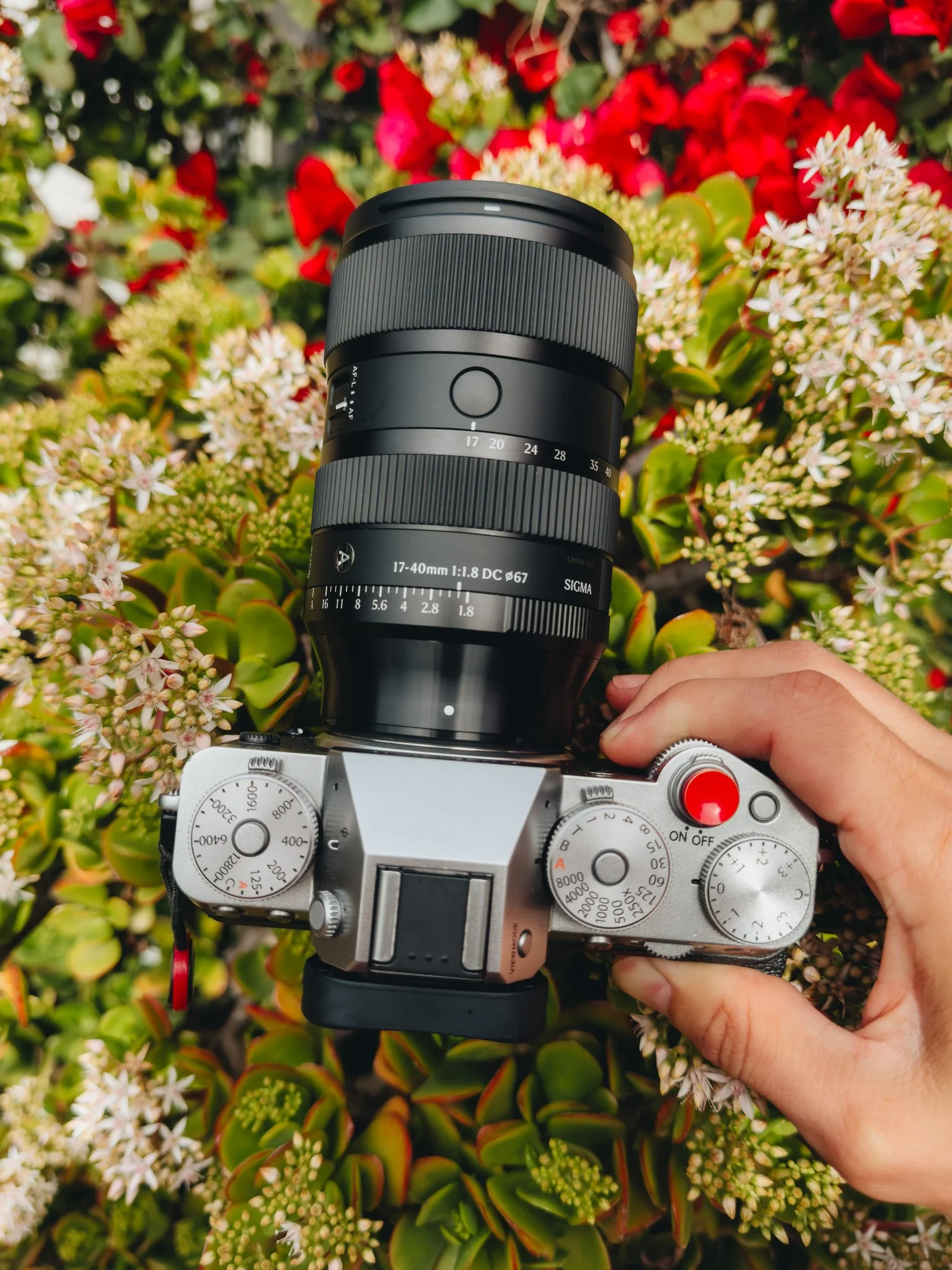
The Sigma 17-40mm f/1.8 DC DN Art feels solid, well-built, and premium. “Made in Japan” is proudly displayed. The barrel has a mixture of matte and shiny metallic textures, combined with high-quality plastic composites. The zoom ring has just the right amount of resistance, and the limit of each zoom range has a decided and pleasing “thud” when reached. The aperture ring has satisfying, well-defined clicks that inspire confidence and scream tight tolerances. The aperture ring is able to be “de-clicked” with the flick of a switch for smooth aperture control while capturing video. Some users with large hands have found that the aperture ring is relatively close to the body, and a little harder to reach than other X Mount lenses. I have tiny raccoon hands, so that doesn’t bother me.
This lens is hefty, Sigma did not take any shortcuts when choosing materials, and I’m glad they didn’t. Their new branding is sophisticated, modern, and tasteful. This lens looks clean, sleek, & modern. It also features an internal zoom mechanism that keeps the lens length constant as you zoom and provides added weather sealing. I never thought I would say this about a lens, but the lens hood is awesome. It has a rubberized grip and a dedicated button to lock/unlock it to the barrel. It mounts effortlessly with a satisfying click, and is a joy to use. Small and thoughtful details. Chef’s Kiss.
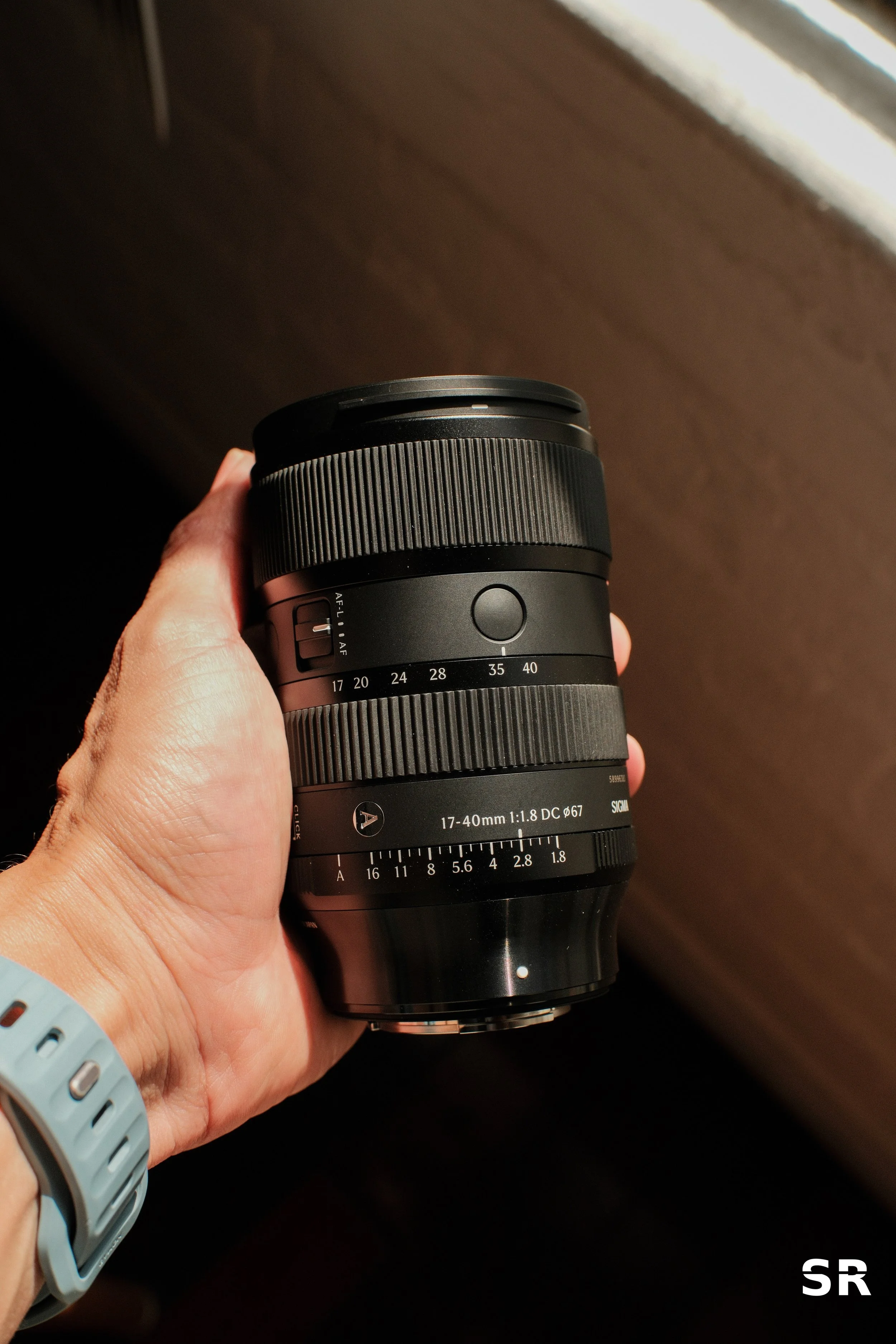
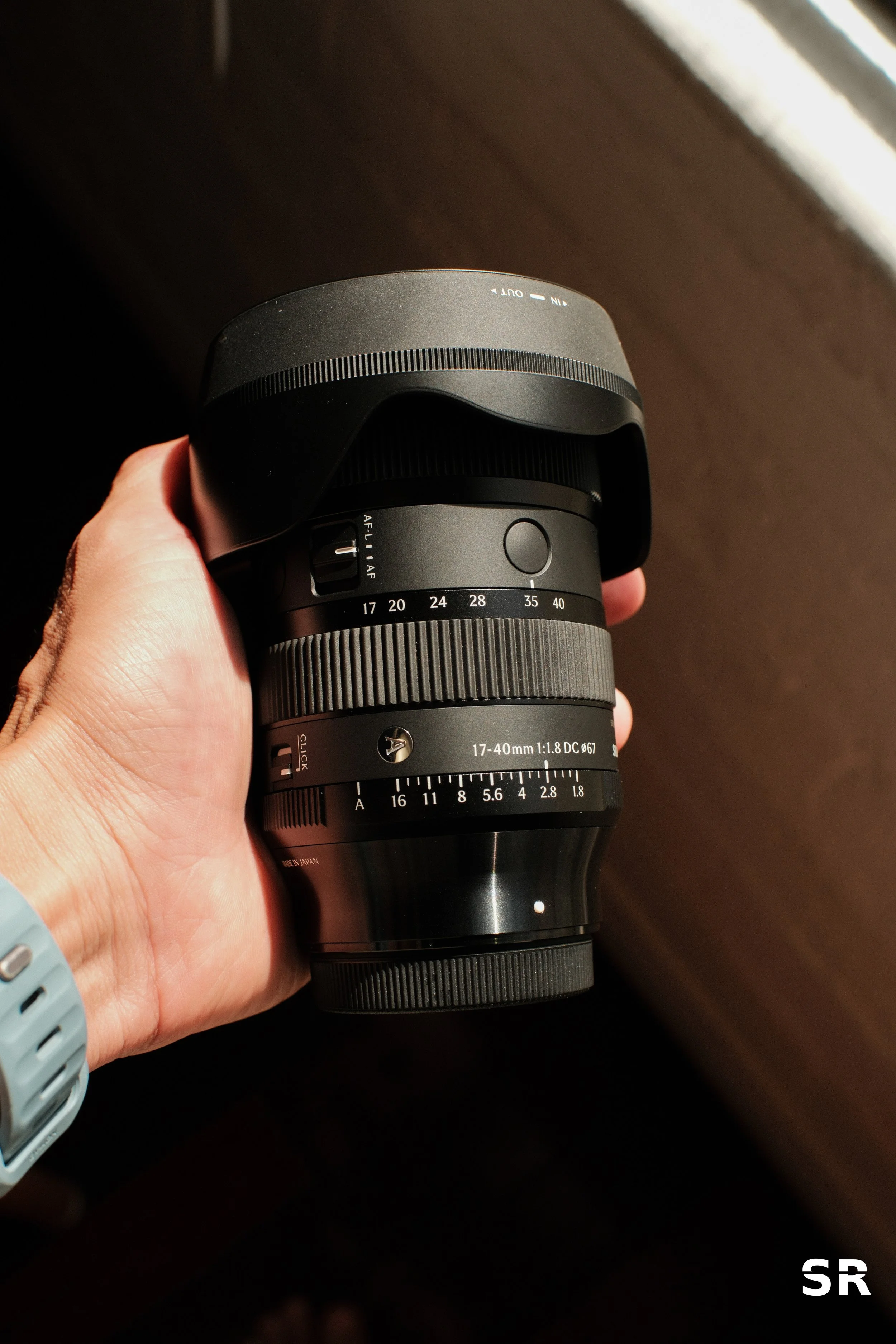
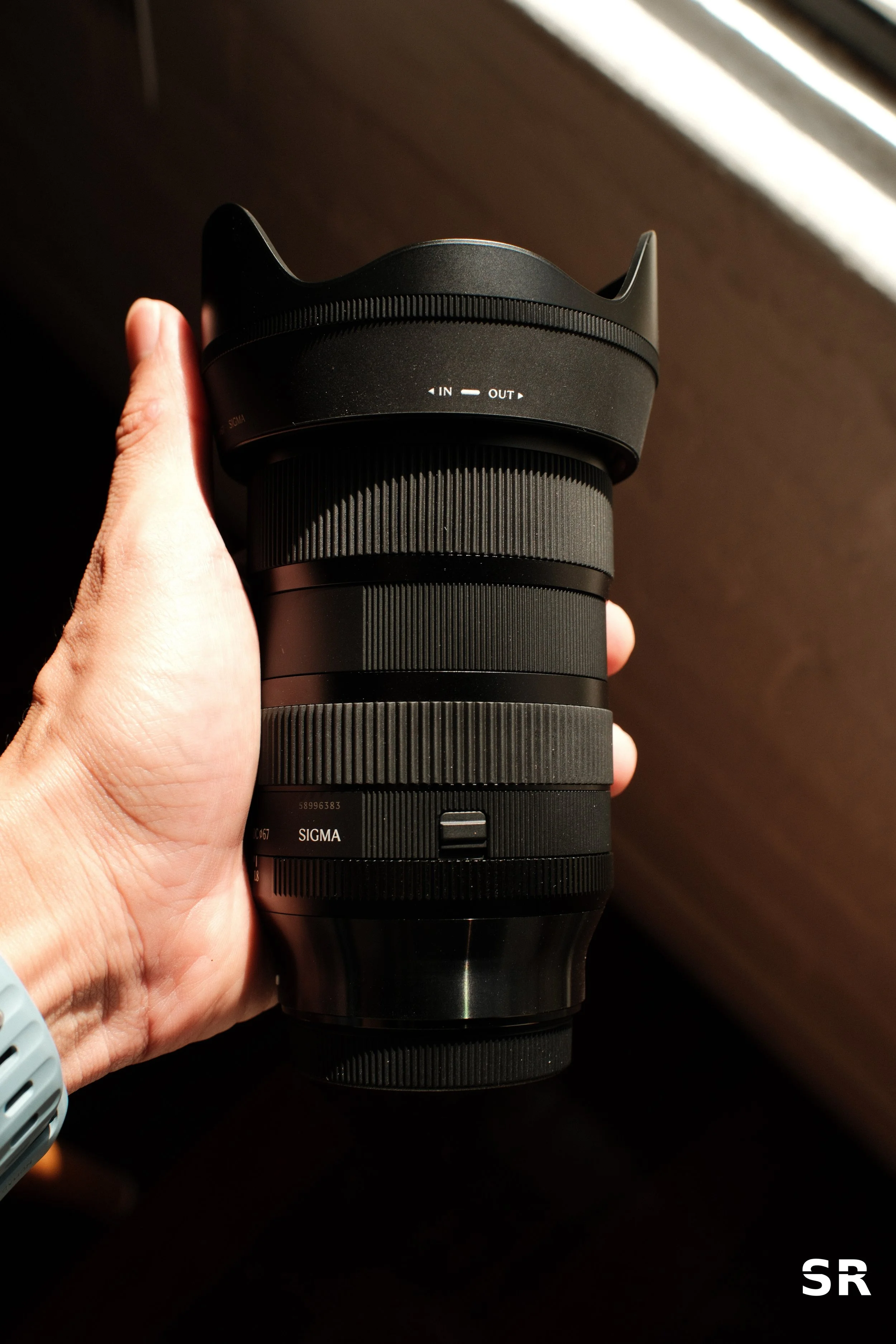
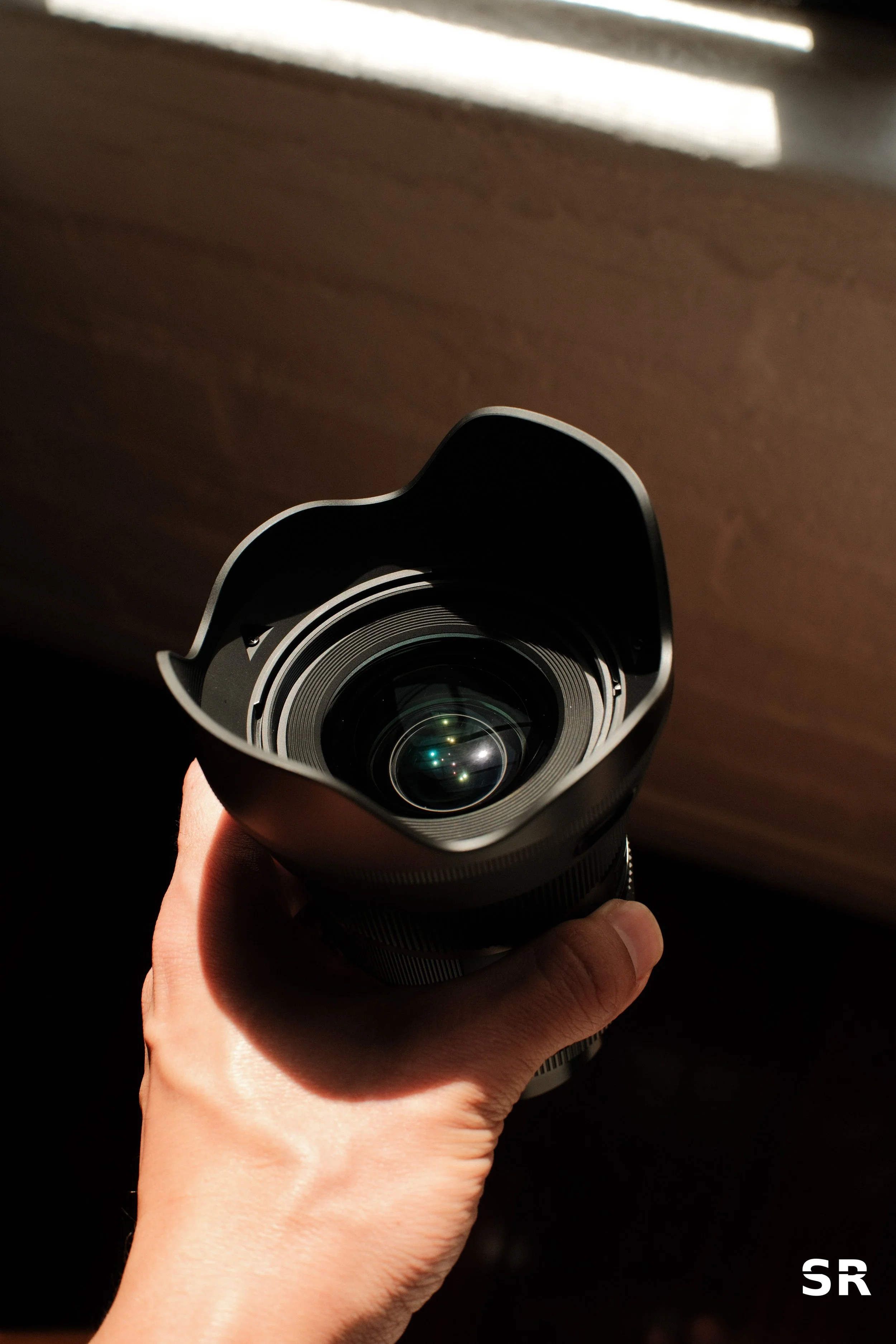
The Sigma lens feels good and balanced on the Fujifilm X-T5, though it’s slightly front-heavy compared to the Fujifilm XF 16-55mm f/2.8 MK II. The focus ring has buttery-smooth resistance, making it ideal for precise manual focusing in video or portrait work. Overall, the Sigma 17-40 Art lens’ build quality is just as good, if not better than its premium optics. More on that below.
The second iteration of the Fujifilm XF 16-55mm f/2.8 refines everything I liked about the original. But I have opinions that may feel… controversial. This is a premium “Red Badge” lens, and it does lives up to its reputation as a “bag of primes”. The MK II version is significantly lighter and smaller, and the optics have been optimized for the 40MP sensor of the latest Fujifilm cameras like the Fujifilm X-T5 and Fujifilm X-H2.
Here is where things get a little funky. Some Fuji shooters reported that early copies had zoom rings that felt “sticky” and had an unpleasant “bumpy” feeling during operation. That isn’t the case with my lens, and Fujifilm seems to have addressed this issue with newer copies. But your mileage may vary. The aperture ring, on the other hand, operates very smoothly, perhaps a bit too smoothly for some. It no longer has those well-defined carved-in clicky clicks that you expect from older Fuji lenses. Instead, the ring moves effortlessly across the entire aperture range, and it may take a little getting used to. This means the aperture ring can accidentally move or get bumped a third of a stop (or two) when you put the camera down. It’s not a deal-breaker, just something to get used to. The aperture ring can also be de-clicked with the flick of a switch, this is very useful video shooters who need more precise control. The zoom ring feels consistent and smooth, albeit it is a little bit narrow. The lens hood is… fine. The lens is fully weather-sealed and Fujifilm boasts about tighter tolerances in this updated version. There is no question that the build quality is top-notch.
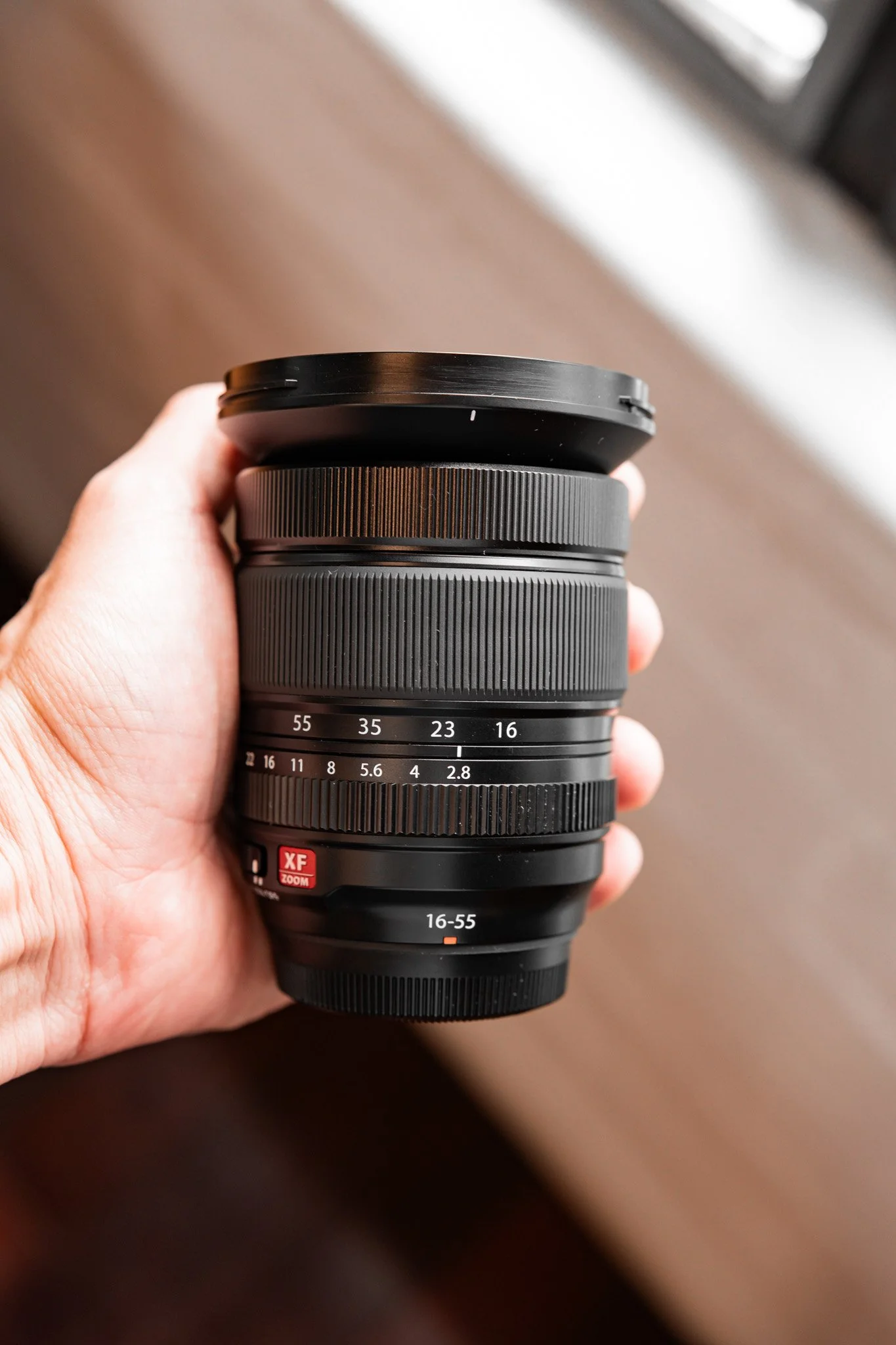
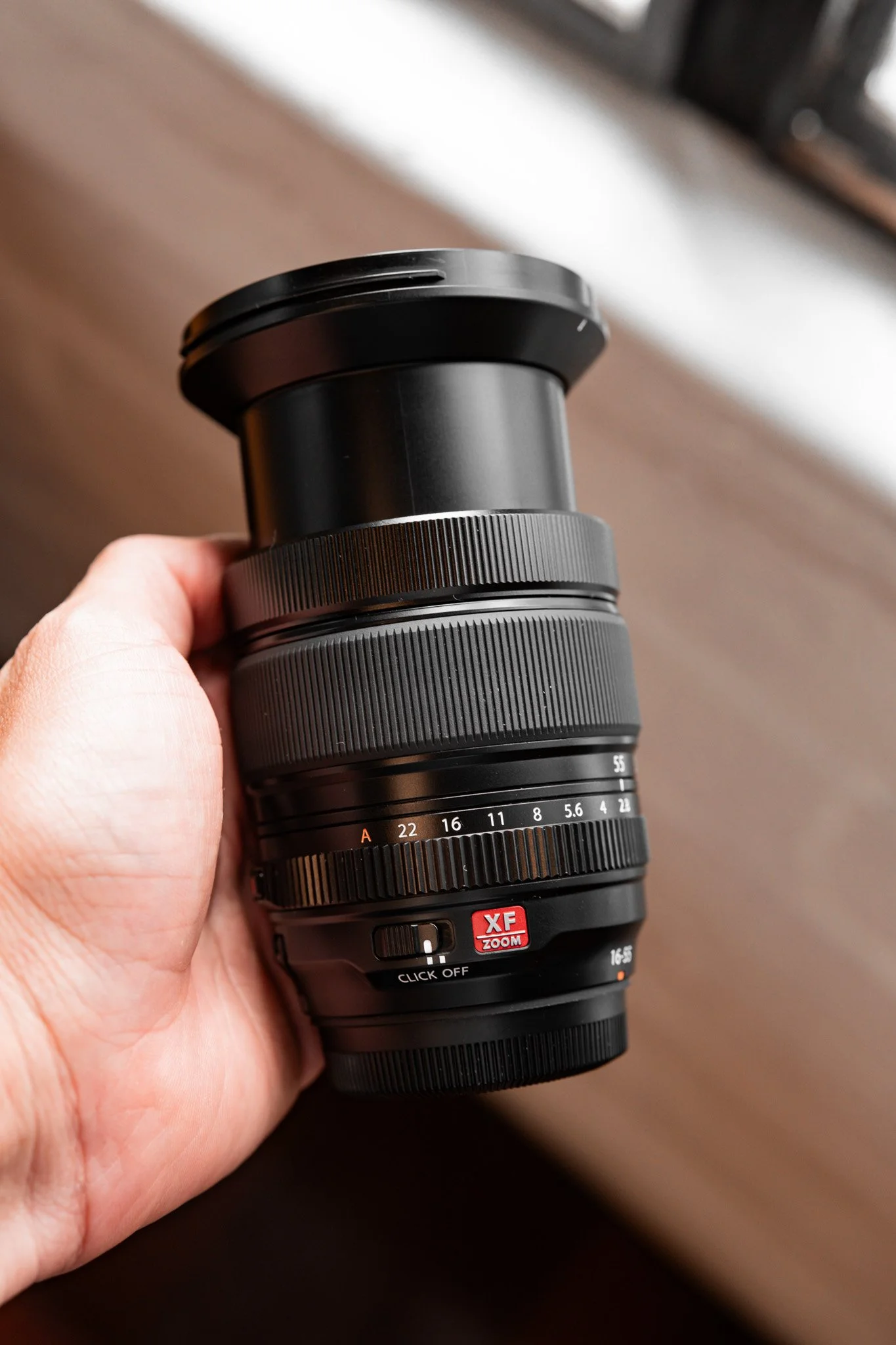
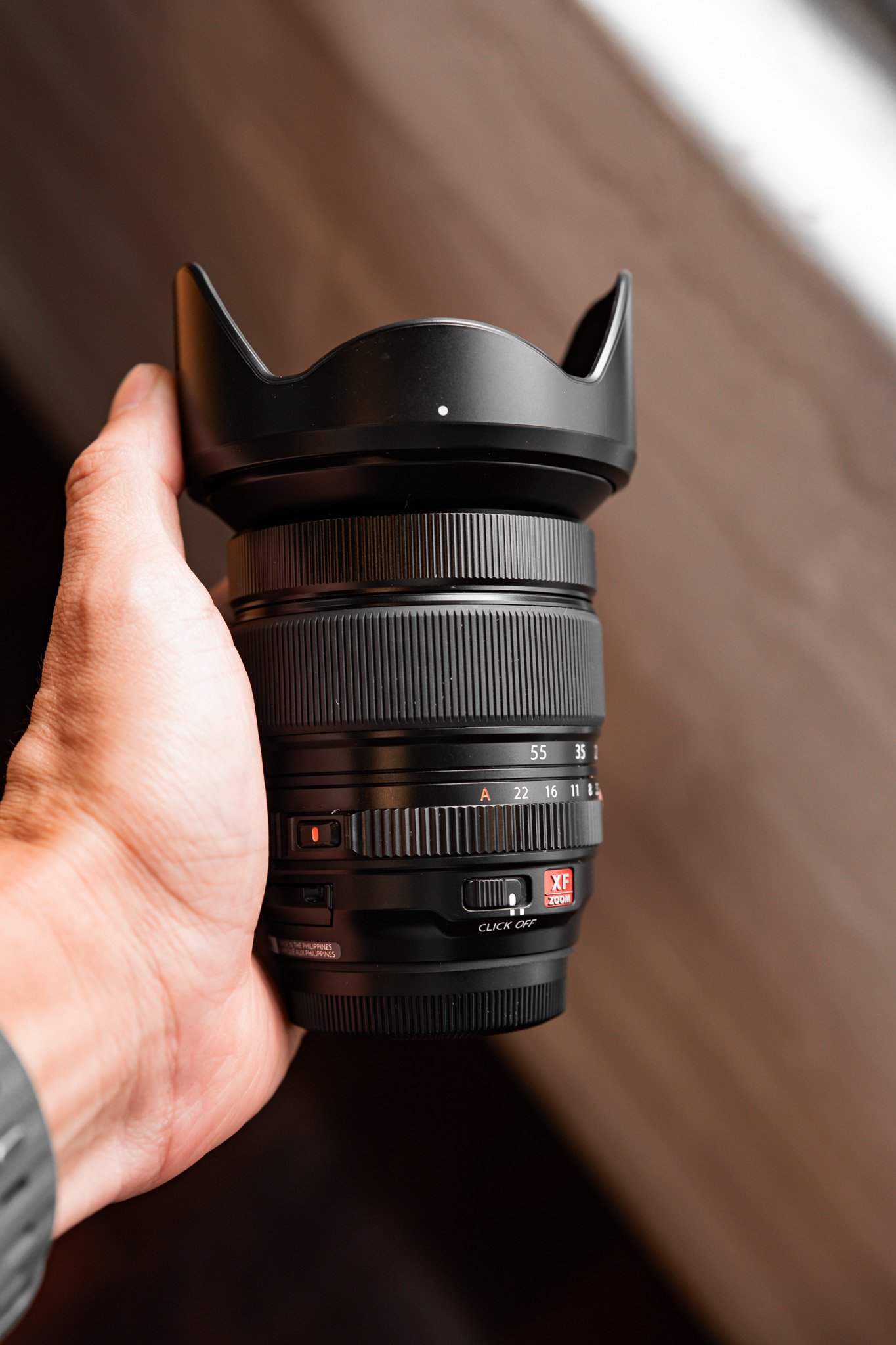
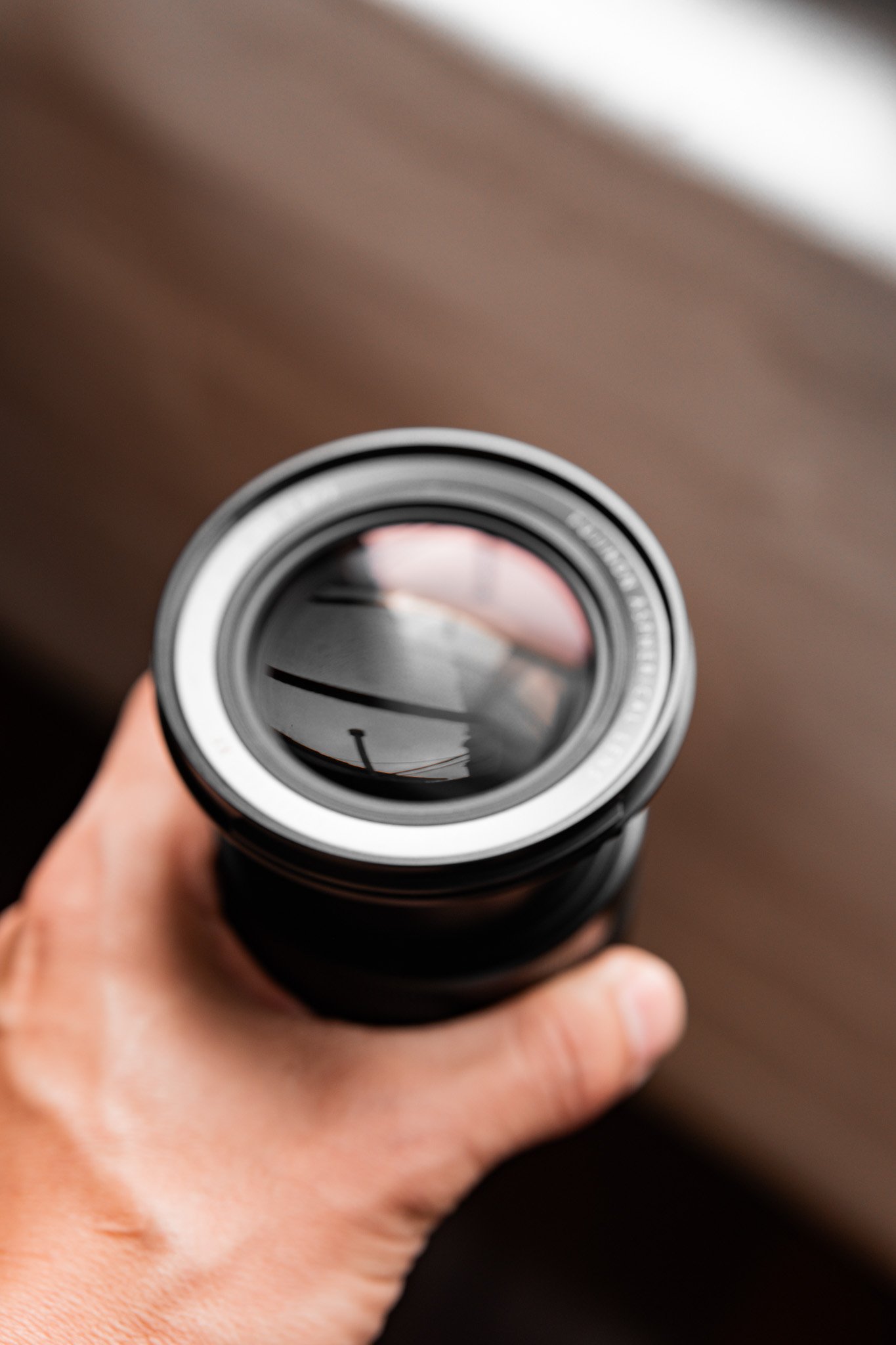
But which one wins out in build quality? The Sigma. It has an internal zoom, programmable buttons, a more practical and satisfying aperture ring operation and it feels nicer in the hand. However, the battle between them is not that simple. You’ll see what I mean below.
Side note: Regarding weather sealing, I got absolutely drenched by an ocean wave while shooting at the La Jolla tide pools a few weeks ago and the Sigma lens didn’t even blink. Still works like a charm. I’m not trying to do the same with the Fuji, for obvious reasons, but I thought it was worth pointing out.
Style Points
Are you vain (like me) and worry about which lens looks best on your camera? It’s OK, this is a safe space.
The Fujifilm XF 16-55mm f/2.8 MK II wins for style points. The design and size just looks better. This is my opinion, but you can @ me if you want to. You’ll still be wrong.
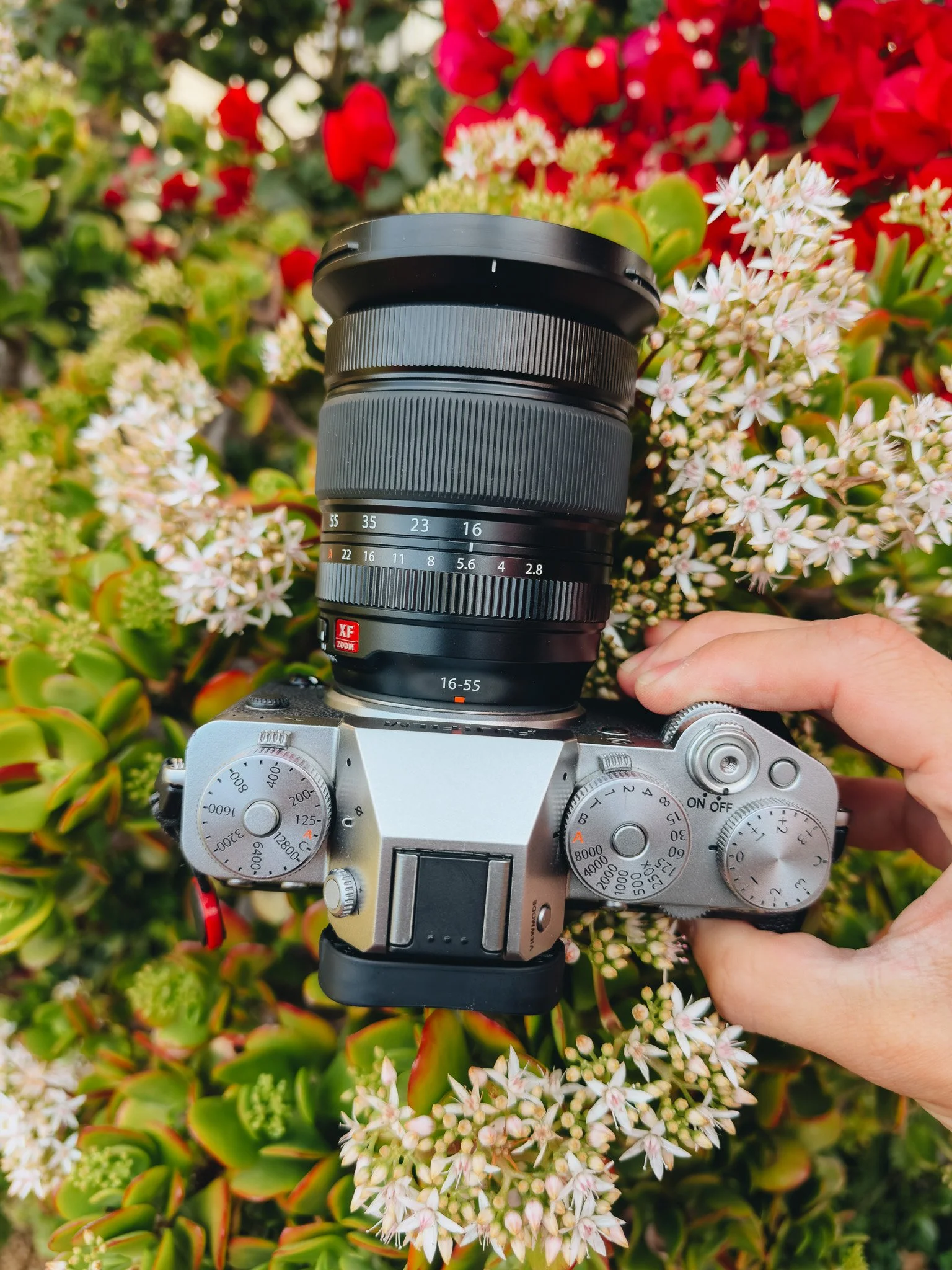
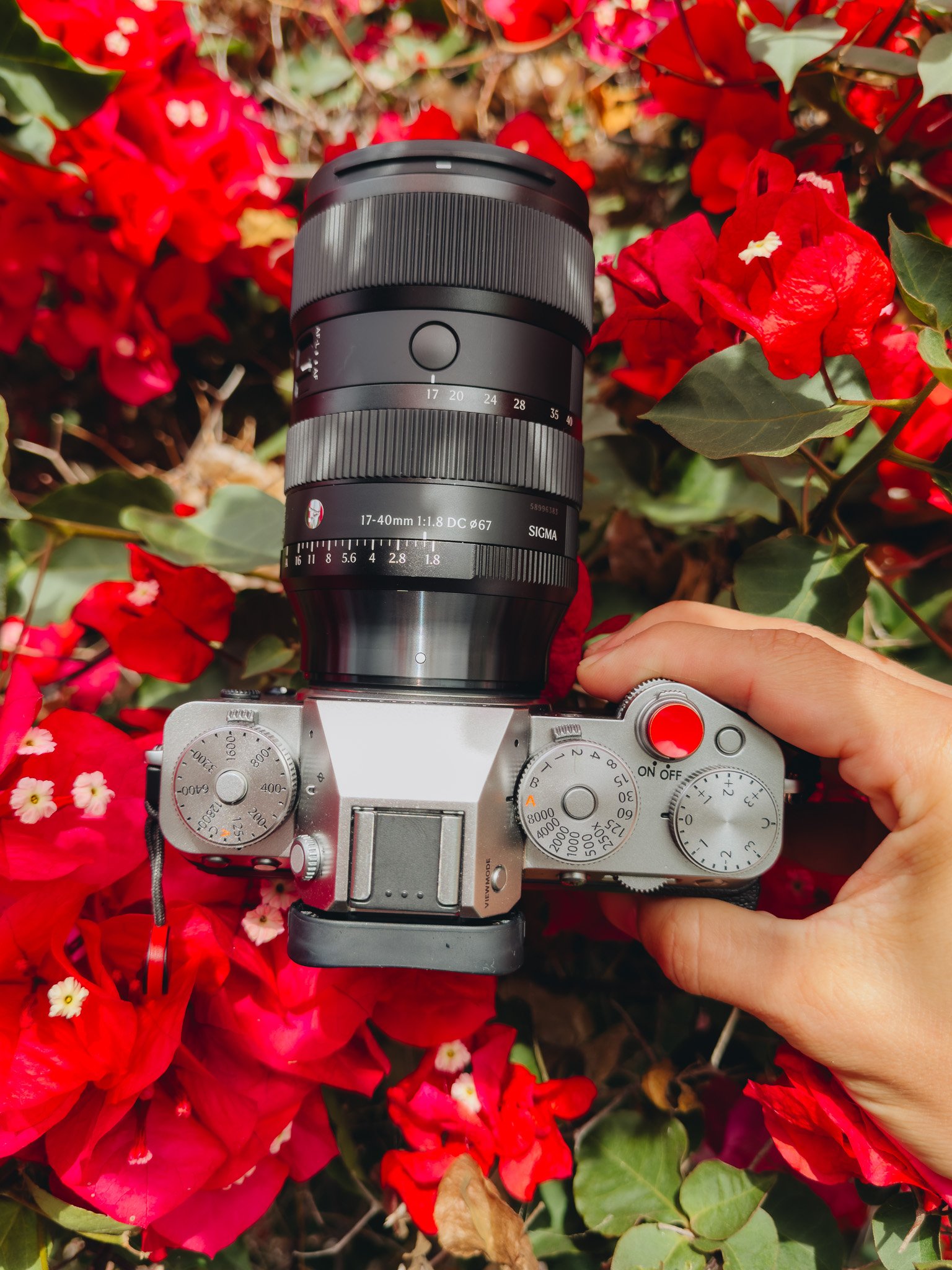
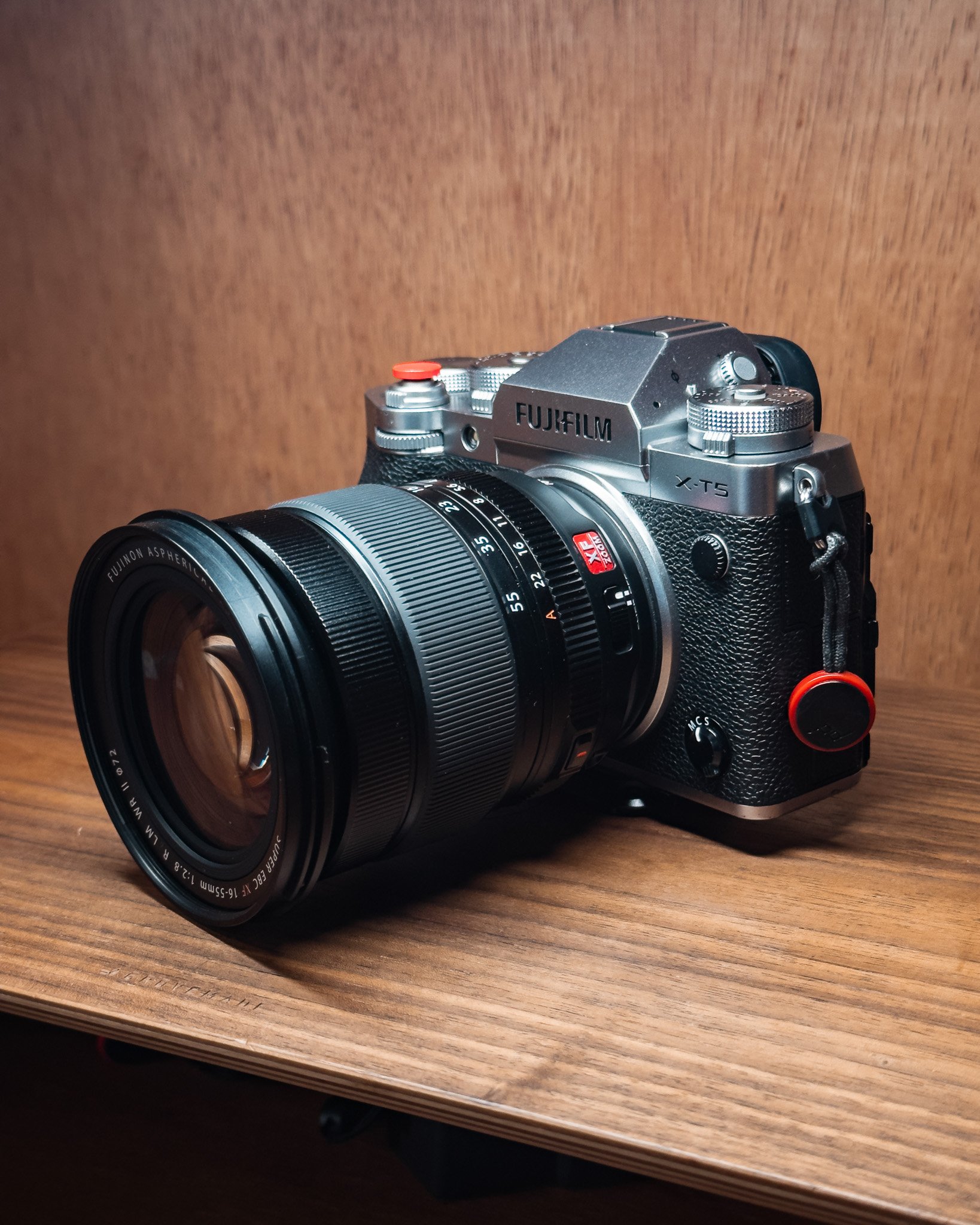
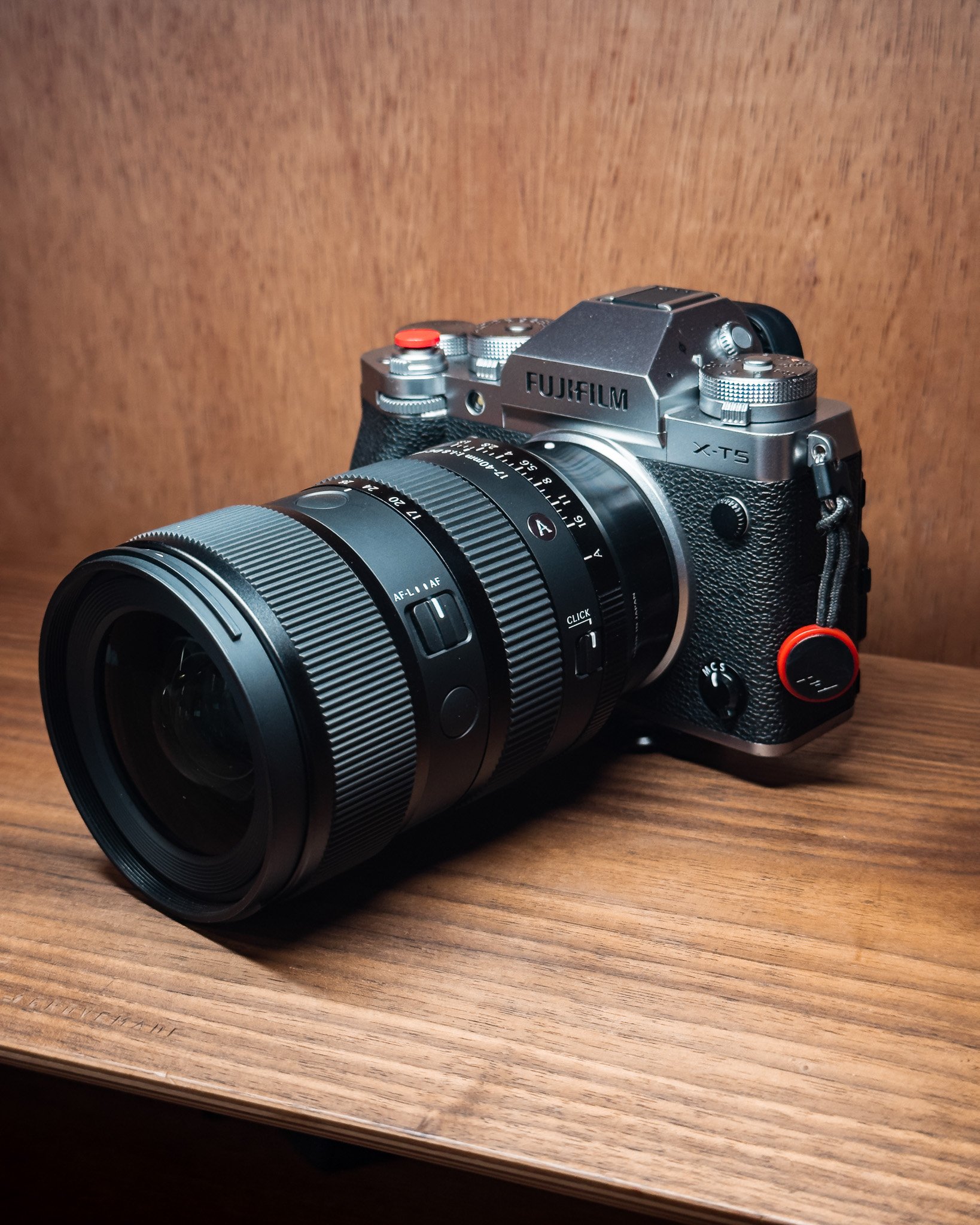
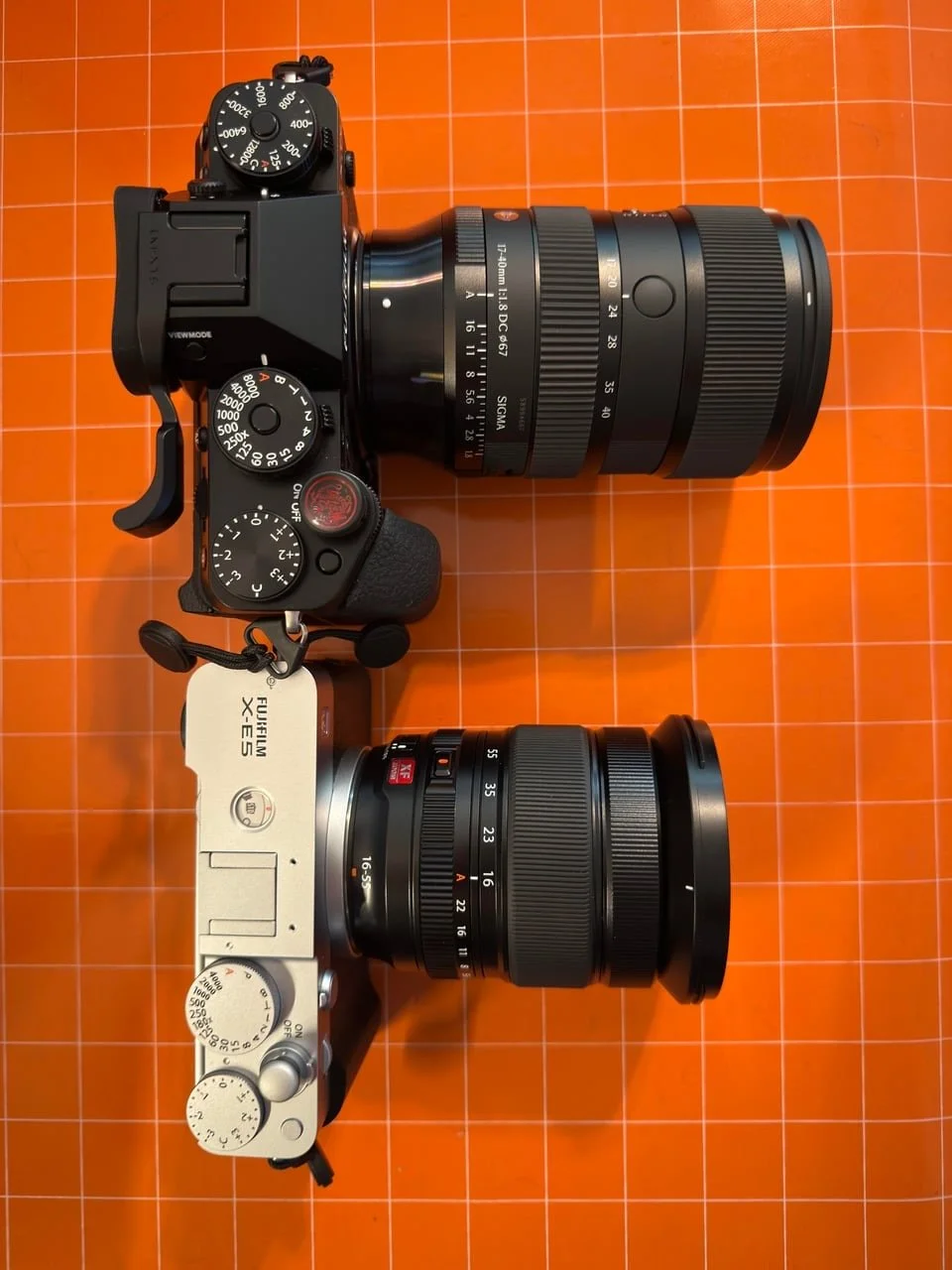
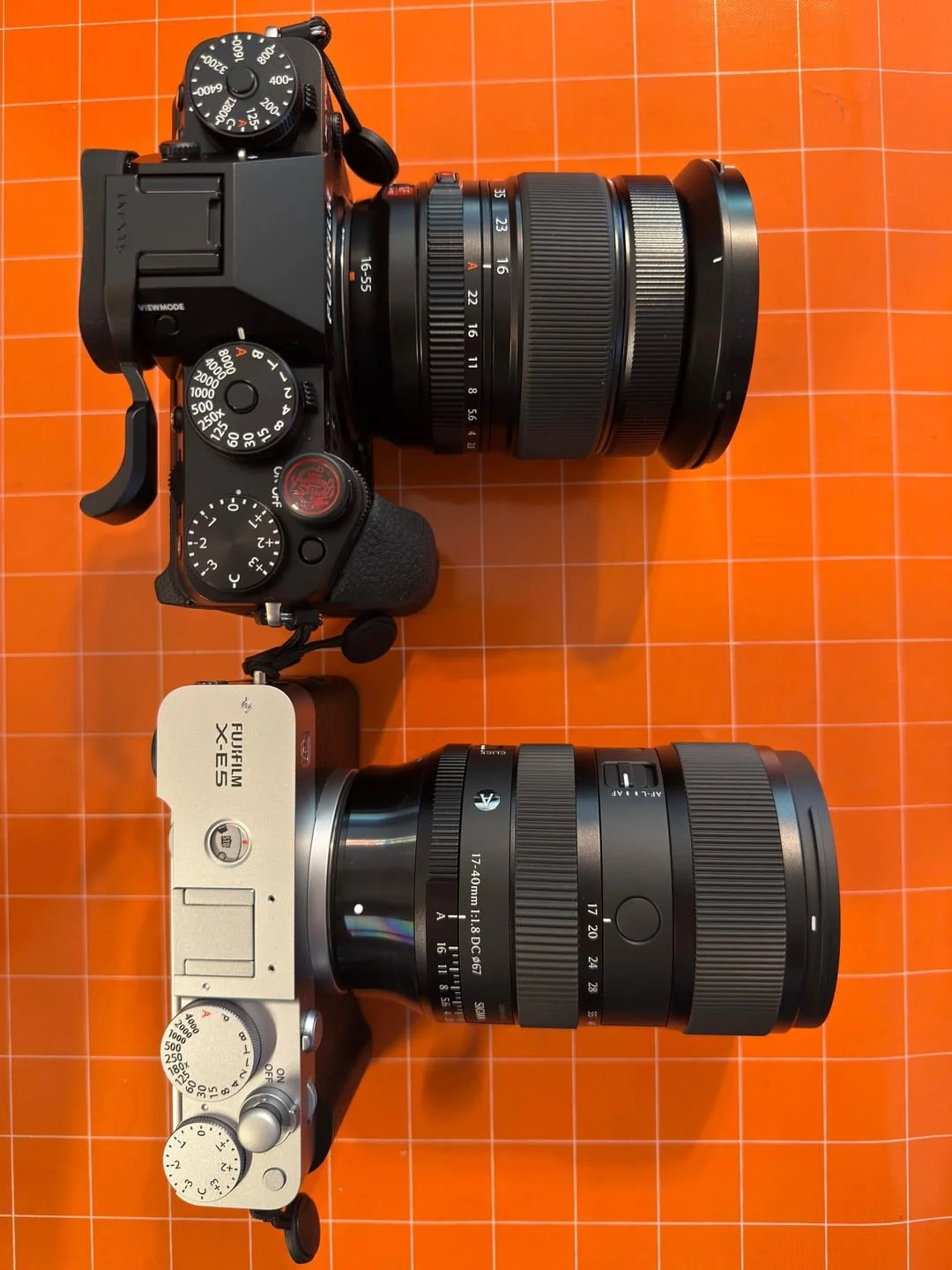
Image Credit to Reddit u/GianCortese
Autofocus and Usability
When it comes to autofocus and general usability, these two lenses behave slightly differently. The differences go beyond speed and accuracy and into the overall feel of how each lens responds. After spending a few weeks alternating between them, I began to think of the Fujifilm XF 16-55mm f/2.8 MK II as the reliable workhorse that never hesitates, and the Sigma 17-40mm f/1.8 Art as the creative tool built to shape light and mood. If you came here looking for me to give you a definite answer on which lens is better, prepare to be disappointed. Both are impressive, but their personalities are distinct. Buy both and give into that GEAR ACQUISITION SYNDROME, baby!
In my experience, the Fujifilm XF 16-55mm f/2.8 MK II focuses faster and more confidently (but the edge over the Sigma is pretty thin). It locks onto subjects with confidence and intelligence almost anticipating where I want the focus to land. On my Fujifilm X-T5, the lens’ linear motors are nearly silent and the transitions between subjects are smooth and natural. When I photograph couples walking along the cliffs, turning their heads toward one another, or playing with their dogs, the lens tracks them effortlessly. It holds focus even when the light shifts or the background becomes busy. In continuous autofocus there is minimal hunting, even in difficult lighting like late-afternoon haze or indoor tungsten light (provided your ISO is appropriate for indoors). The MK II’s performance shows how much Fujifilm refined this lens over the original version. It reacts faster, corrects focus transitions more gracefully, and recovers instantly when shifting from distant backgrounds to closer subjects. I expect this will be used extensively for weddings and studio sessions.


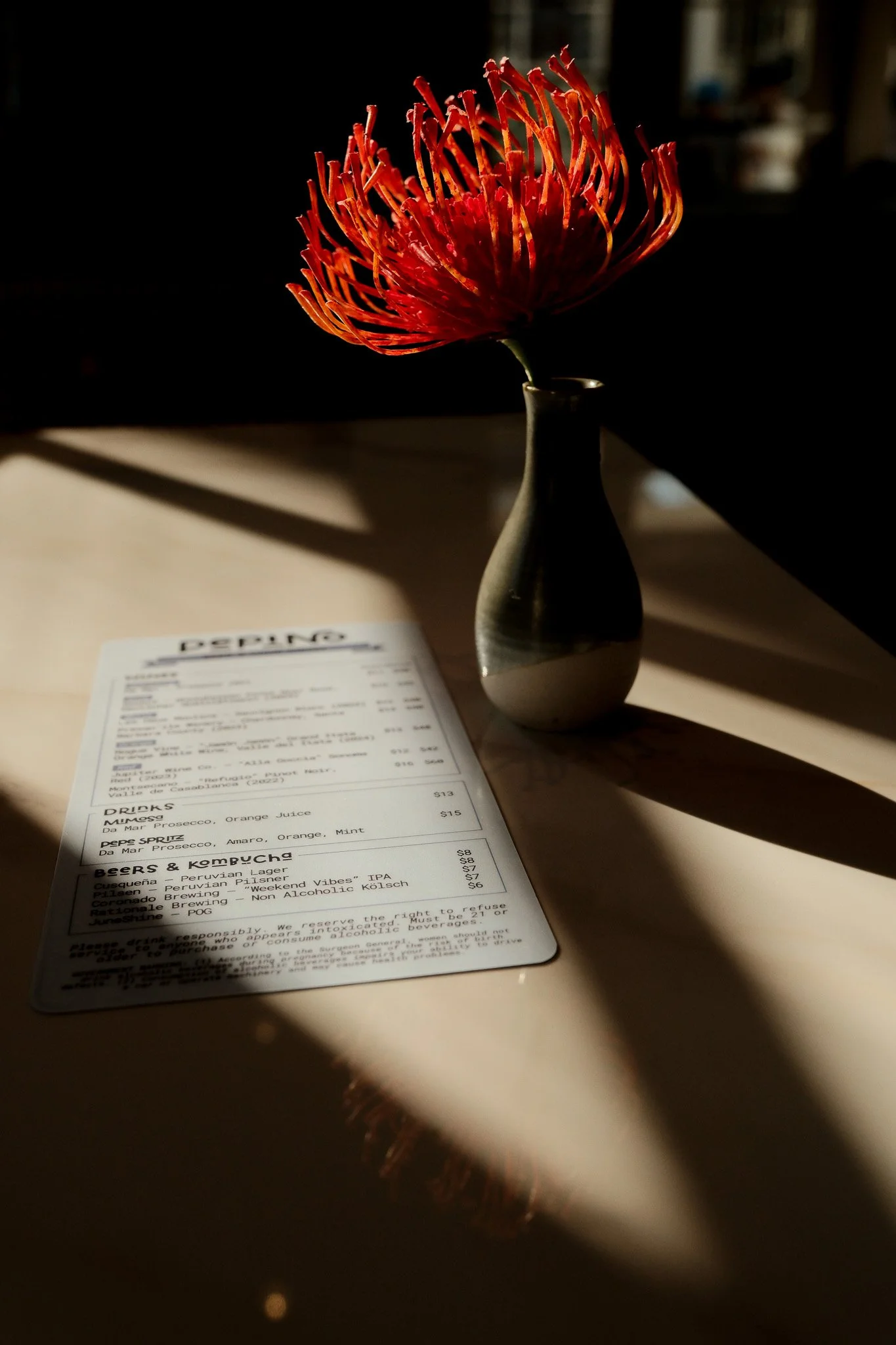





Hang tight, the Sigma 17-40mm f/1.8 Art is no slouch, but this lens offers a different experience. Where the Fujifilm feels like a precision instrument, the Sigma steps in like a creative companion. Its autofocus is plenty accurate and responsive, yet glides smoothly rather than snapping sharply into place. It’s hard to explain, it’s a feature, not a bug, and I hope you get a copy in your hands so you can try it out yourself. This makes it ideal for portraits, video, or any moment when I want to shoot more fluidly instead of mechanically. Its linear actuator motor delivers autofocus that is both fast, completely silent, exceptionally smooth. In practical use, the Sigma invites me to slow down and craft images thoughtfully. I tend to use it when I want control over depth, atmosphere, and tone rather than pure responsiveness. I don’t want you to think that the AF is slow, it’s not, is fast enough for any portrait session, even with moving subjects, but the experience encourages intention.










Both lenses excel in different ways. The Fujifilm rewards instinctive shooting where every moment counts. The Sigma rewards thoughtful composition and creative control over your images. The right choice for you will depend on how you prefer to tell your story. I recommend you try both of them out, and return the one you use less (or keep them both like I did because you are also a crazy person who craves constant dopamine hits due to brain rot).
Who wins this round? Both do because like most things in life - it depends.
Range
I’ll keep it short. Do you need the extra 15mm on the long end and the 1mm on the wide range that the Fujifilm XF 16-55mm MK II offers? If so, get that one.
15mm adds a great deal more compression to your images. Would you trade the reach for the extra stop of light?
Optics
The Sigma 17-40mm f/1.8 Art uses 17 elements in 11 groups, including 4 SLD elements and 4 aspherical elements. This lens delivers a remarkable constant f/1.8 aperture across a 17-40 mm range, making it one of the fastest APS-C zooms available. It incorporates multiple SLD (Super Low Dispersion) and aspherical elements to reduce chromatic aberration, distortion and field curvature. Its Super Multi-Layer Coating and water/oil-repellent front element bolster contrast in challenging light and keep flare in check. These design choices will help you achieve strong subject isolation, creamy bokeh, and excellent performance in low light.
The Fujifilm XF 16-55mm f/2.8 R LM WR MK II has 16 elements in 11 groups with 4 aspherical elements, 1 Super ED element, and 3 ED elements. The extra-low dispersion glass , refined aspherical elements and a high-precision diaphragm all work to optimize edge-to-edge sharpness and deliver smooth bokeh transitions. With a constant f/2.8 aperture and a design tuned for Fujifilm’s latest high-resolution sensors, it offers strong and pleasing image quality across the entire frame.
Who wins this round? It depends entirely on you. But you knew that already. For all-around optical quality and consistency, get the Fuji. For specialized optical character and low-light performance, go with the Sigma.
Low Light and Depth of Field
This is where the Sigma stands out. An f/1.8 aperture on a zoom lens opens creative doors. In low light, it allows me to shoot with lower ISO and faster shutter speeds. For portraits or intimate travel moments, the background separation at f/1.8 feels almost prime-like. I’ve said that this has replaced 3 of my prime lenses (18, 27, 35mm). Additionally, I like to slap on a Variable ND Filter like this K&F ND Filter and shoot portraits at or close to f/1.8 during the day so I can get that SWEET bokeh without overexposing my subjects.




The Fujifilm XF 16-55mm f/2.8 MK II is still plenty capable, and the extra reach to 55mm adds more compression. In controlled light or during daylight sessions, I rarely miss the extra stop. However, for indoor sessions or evening portraits, the Sigma lets me keep the mood intact without reaching for flash.




If your work includes nightlife, intimate indoor events, or cinematic content, the Sigma becomes an undeniable choice. If you want a perfect all-around work and travel lens, the Fuji is the way to go.
Video
Video is where both of these lenses feel intentionally designed for modern hybrid shooters. Each one brings smart video-oriented features, but they emphasize different strengths.
The Sigma 17-40mm f/1.8 Art is clearly built with video in mind. It uses HLA (High-response Linear Actuator) autofocus, which is fast, quiet, and highly precise. It also uses an internal zoom mechanism, which is ideal for gimbals and steady rigs. It has minimal focus breathing and an excellent manual focus feel. The de-clickable aperture ring gives tactile exposure control, which makes it feel almost like a cinema lens. For deliberate, creative video work, shoppers would be smart to look to Sigma.
The Fujifilm XF 16-55mm f/2.8 MK II excels in autofocus reliability. It tracks faces smoothly and maintains focus transitions cleanly during movement. The improved linear motors make a noticeable difference compared to the older version. Autofocus for video feels decisive. The lens tracks faces and eyes very well on bodies like the X-T5 and X-H2. Focus transitions between subjects look clean, and the system does not “pulse” or drift once it has locked on. For hybrid shooters who rely heavily on autofocus, this lens feels like a safe, dependable choice.
Both lenses are genuinely strong tools for video. The Fujifilm lens leans toward reliability and seamless integration with the Fujifilm ecosystem. The Sigma leans toward expressive control, low-light strength, and a more cinematic shooting experience.
I’m not a videographer, but if I was in their shoes, I’d probably pick the Sigma 17-40mm f/1.8 Art.
Price
You won’t be surprised to hear that buying native Fujifilm glass will be more expensive.
The Fujifilm XF 16-55mm f/2.8 MK II costs $1,399.00
The Sigma 17-40mm f/1.8 Art only costs $919 (this is the best price I’ve found in the US)
Is the extra $480 worth it? Maybe it is for you.
Side note: I’ve found it very difficult to find either of these lenses in the second-hand market, but you may have better luck than me.
More Budget-Friendly Alternatives
Tamron 17-70mm f/2.8 Di III-A RXD - This is your most budget-friendly option, and in my opinion, the best value-for-money third-party zoom lens that is out there. Weather resistant but not fully weather sealed, good optics and a very versatile range. You don’t have an aperture ring but that isn’t a deal breaker for most people. The constant f/2.8 aperture make it a very promising companion.
Fujifilm 16-80mm F4 R OIS WR Lens - A solid lens with greater range and Fuji optics. You get a constant aperture of f/4 which is respectable and very usable if you mostly shoot outdoors. The on-body image stabilization is a nice addition, allowing you to reduce that ISO. If you have a camera with IBIS, this will be a really You get weather resistance
Fujifilm 18-120mm f/4 LM PZ WR - Another good option if you need that extra telephoto zoom range, weather Resistant build, good optics from Fuji.
If I have helped you make a purchase decision, please use the bold links to make your purchase, it helps me create thorough, and thoughtful reviews like these, THANK YOU!
Final Takeaways
Both of these lenses represent the best of what’s available for Fujifilm’s X-mount today. They are high-performance, professional-grade tools that cater to different shooting styles. The Fujifilm XF 16-55mm f/2.8 MK II is the dependable all-rounder that delivers consistent results in just about every environment. The Sigma 17-40mm f/1.8 Art is the creative powerhouse that thrives when light is scarce and you want a distinct, cinematic look.
Choosing between them comes down to workflow and intent. If you want seamless, no-fuss integration and performance that just works every single time, the Fujifilm XF 16-55mm f/2.8 MK II is your best investment. If your focus is on artistic flexibility, low-light performance, and storytelling through depth and atmosphere, the Sigma 17-40mm f/1.8 Art will give you creative possibilities that are hard to replicate with any other zoom lens in the market.
I keep both because they serve different purposes, and I like having the flexibility to put one or both in my camera bag and get surgical or creative. The Fuji lives on my camera for studio work, street photography, and travel assignments. The Sigma comes out when I want to slow down and create something cinematic, when the light falls and the story becomes more complex. Whichever you choose, you’re getting a world-class lens that elevates what the Fujifilm system is capable of.
Thanks for stopping by, if you enjoyed this review, consider using one of the bold affiliate links to help me create more thoughtful, thorough reviews like this one.