The Story Behind AURA Fujifilm Recipe
I wasn’t trying to make a recipe…
I never set out to create a Fujifilm recipe of my own. If you’ve spent any amount of time in the Fujifilm community, you know there is no shortage of incredible recipes. Over the past year, I tried just about everything I could get my hands on. My camera’s C settings were constantly changing depending on where I was traveling or what I was photographing. I’d spend a few weeks with one recipe, discover another that looked promising, and repeat the cycle all over again. It was fun, and I learned a lot from seeing how different photographers interpreted the same scene, but I eventually noticed a pattern. Every recipe had something I loved, and every recipe had something I wished were just a little different.
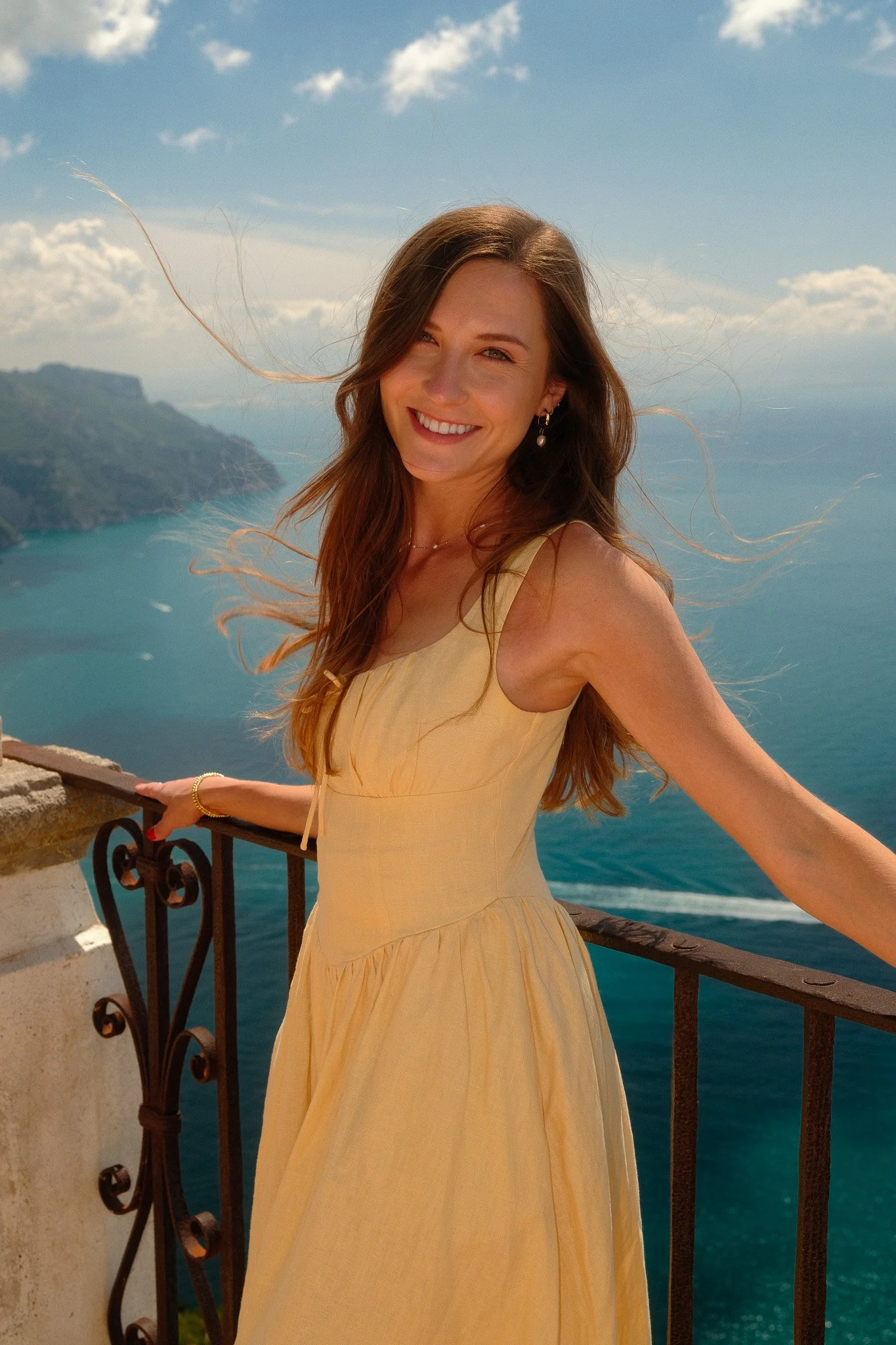
The more I traveled, the more those little differences started to matter. I wasn’t looking for a recipe that perfectly recreated a specific film stock or chased a nostalgic look for the sake of nostalgia. What I wanted was much simpler. I wanted the colors to feel believable. I wanted skin tones that looked natural without requiring correction later. I wanted blue skies with depth, greens that didn’t overpower a scene, and contrast that gave images character without making them feel harsh. Most importantly, I wanted a recipe that felt consistent. I didn’t want to switch simulations every time the weather changed or the sun disappeared behind a cloud. I wanted something I could trust from the moment I left the hotel in the morning until I put the camera away that night.
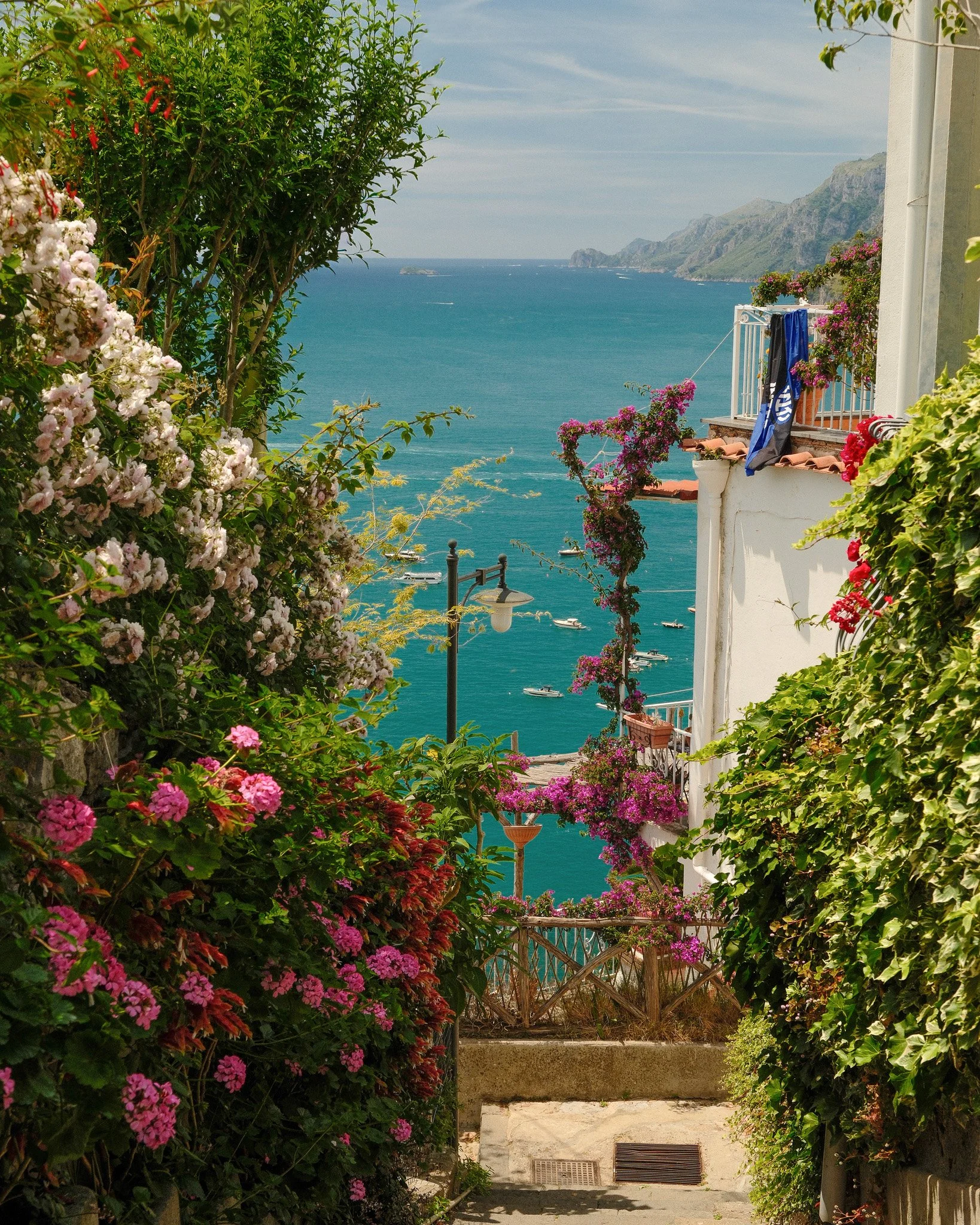
That’s really where AURA began. Not as some grand project or product, but as a series of tiny adjustments to recipes I already enjoyed using. I would come home from a trip, import my photos, and inevitably find myself thinking, “I wish this looked just a little different.” Sometimes it was the way a certain shade of blue rendered. Other times it was the balance between highlights and shadows, or the way skin looked in open shade. I’d make one small change, leave it in my camera for a while, and forget about it. If I didn’t notice it while I was out shooting, that was usually a good sign. If I came home and found myself wanting to tweak it again, I’d repeat the process. Looking back, there wasn’t a single breakthrough moment. It was simply months of making small decisions, living with those decisions, and then deciding whether they actually improved the experience of using the camera.
Looking Beyond Film Simulations
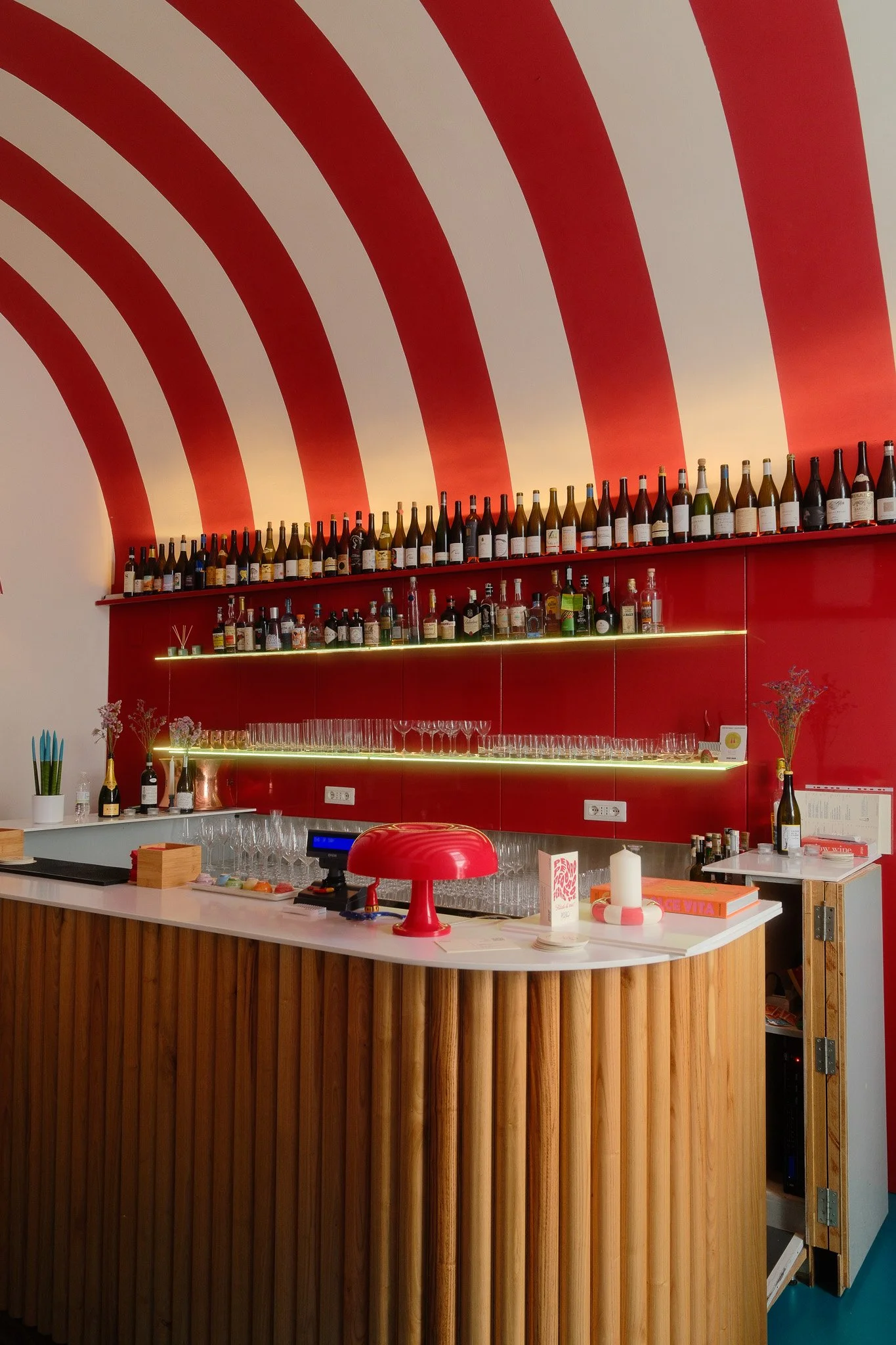
One thing I learned fairly early on is that almost any recipe can look fantastic under perfect conditions. Take it to the Italian coast at sunset or photograph turquoise glacial lakes under clear skies, and it’s hard to make a bad image. The real test comes on an overcast afternoon, inside a dim café, or during the middle of the day when the light is flat and unforgiving. Those were the situations I paid the most attention to because they’re the ones we all encounter most often. I wasn’t interested in building a recipe that only looked impressive in ideal conditions. I wanted one that felt dependable when the light wasn’t doing me any favors.
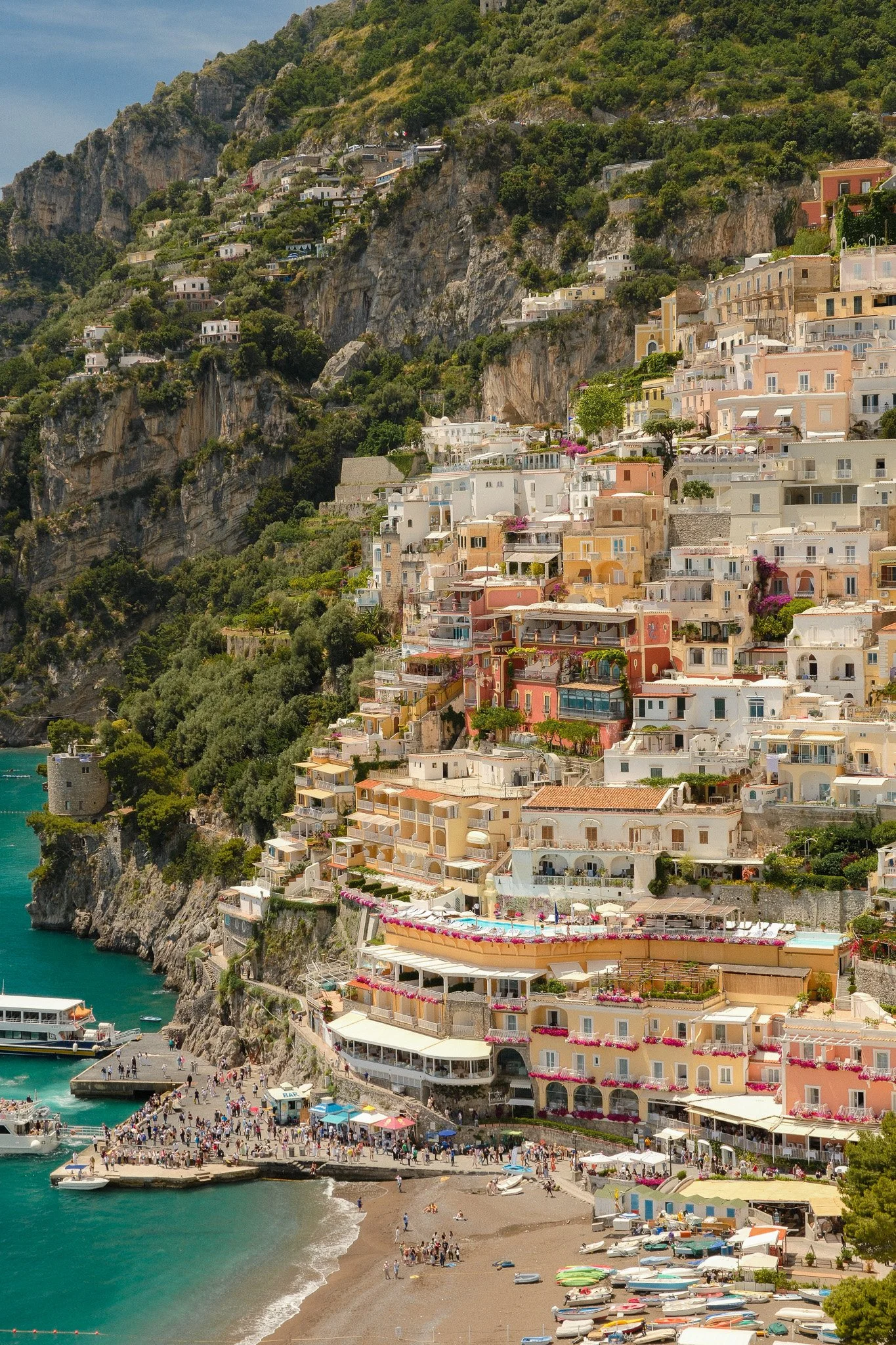
Because I travel so much with my camera, consistency became more important than chasing a particular aesthetic. I don’t enjoy spending the day wondering whether I should switch recipes because I walked indoors or because the weather changed halfway through a hike. Photography already asks us to think about composition, timing, exposure, and everything happening around us. The last thing I wanted was another decision to make every time I picked up the camera. If a recipe could quietly handle different situations without calling attention to itself, I considered that a success.
The funny thing is that I never intended for anyone else to use AURA. It started as something I was making for myself because I couldn’t quite find what I wanted anywhere else. Friends would occasionally ask what recipe I had been using on a trip, and I kept giving the same answer: “It’s just something I’ve been working on.” At the time, I genuinely thought I was still a few adjustments away from finishing it. Then another trip would come along, I’d make another tiny change, and the cycle would continue. It became almost impossible to know when it was actually done because there was always one more idea worth trying.
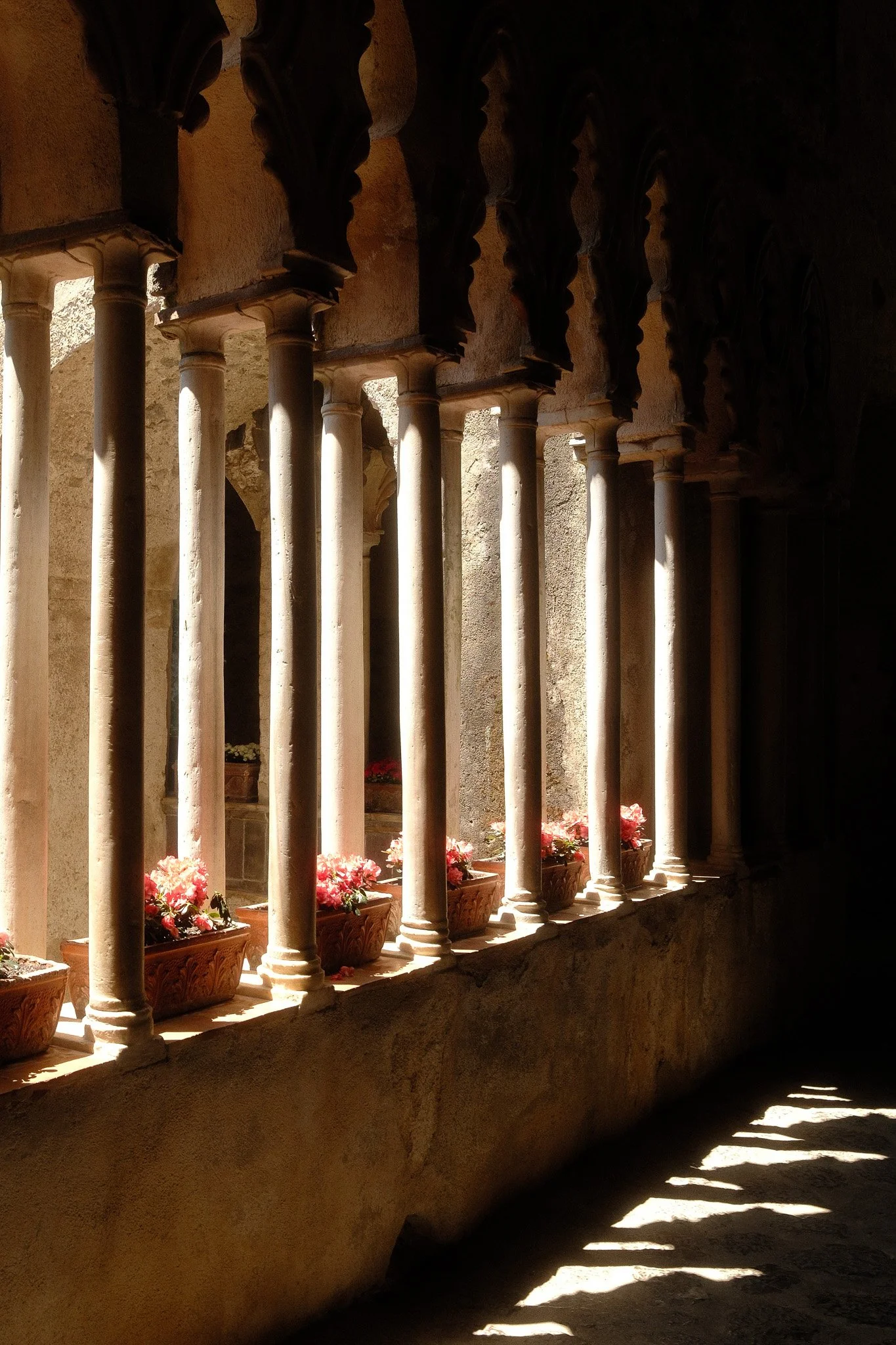
Eventually I noticed something that surprised me. I stopped searching for new recipes altogether. Whenever I packed my camera for a trip, AURA was already loaded. I wasn’t comparing it against three or four alternatives anymore, and I wasn’t coming home wishing I’d used something different. It had quietly become my default, not because I had convinced myself it was perfect, but because it consistently gave me the photographs I wanted to make. That realization probably meant more than any side-by-side comparison ever could.
People occasionally ask where the name came from. I didn’t want to name it after a film stock because that was never the goal, and I wasn’t interested in suggesting that it was trying to imitate something else. The word “aura” has always reminded me of the atmosphere surrounding a place or a moment, the feeling that’s difficult to explain but immediately recognizable when you experience it. Those are the moments that make me reach for my camera in the first place, and I wanted the recipe to preserve that feeling more than any particular color palette.
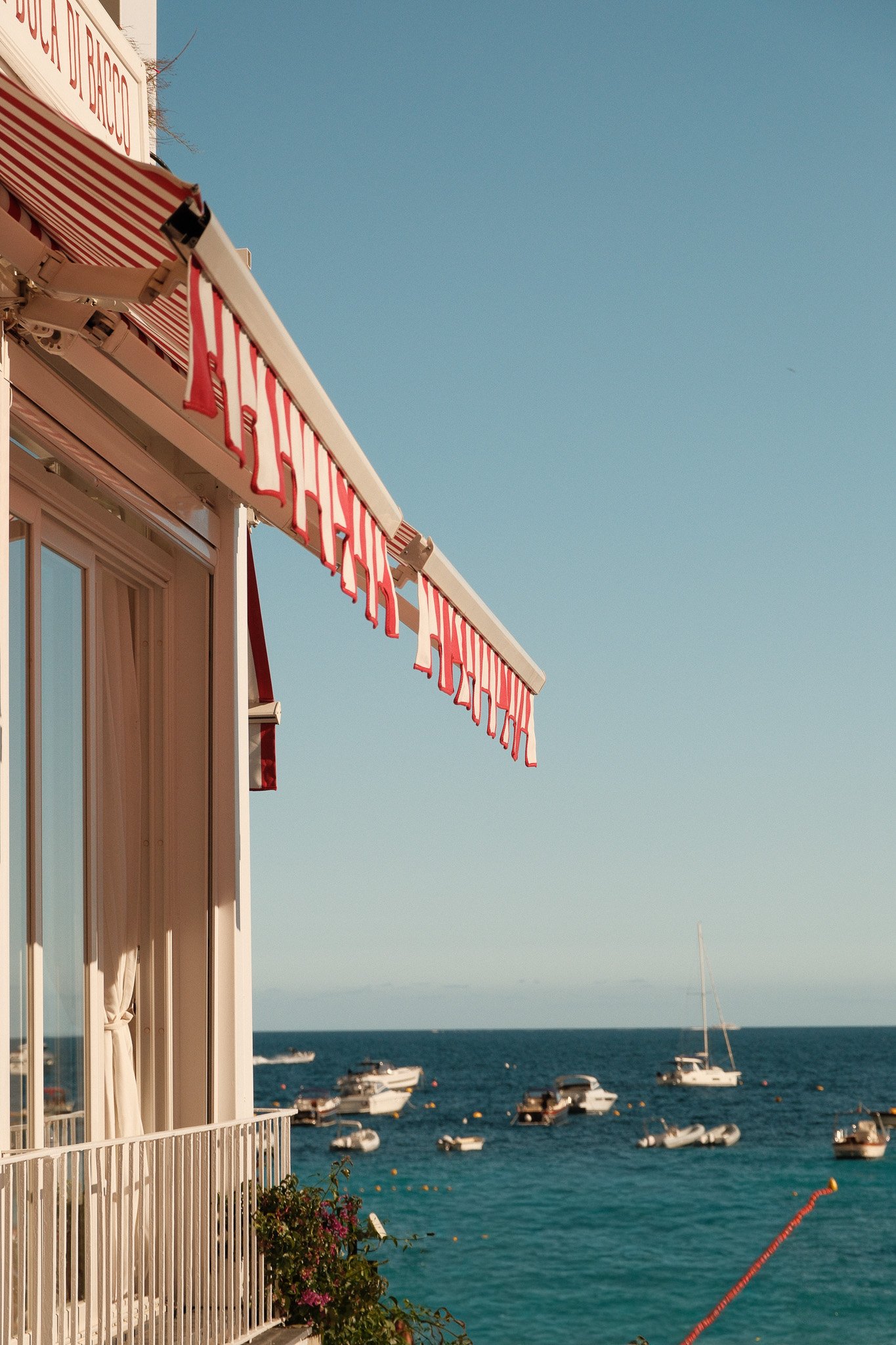
Positano in May
At the end of the day, AURA isn’t meant to be the only Fujifilm recipe anyone ever uses. Part of what makes this community so enjoyable is seeing how differently we all interpret the same world. This is simply the recipe that reflects the way I see it. It grew out of years of traveling, experimenting, making mistakes, and slowly refining something that eventually stopped feeling like an experiment. If it helps someone spend less time thinking about camera settings and more time enjoying the experience of making photographs, then it has done exactly what I hoped it would.
If you want to try AURA for yourself, I’ve linked it below