The Sigma 17-40mm f/1.8 DC Art- First Impressions
This is not a sponsored review
I bought this lens with my own money, Sigma doesn’t know I exist. This review is based solely on my experience using this lens.
Kurz gesagt- “In a Nutshell”
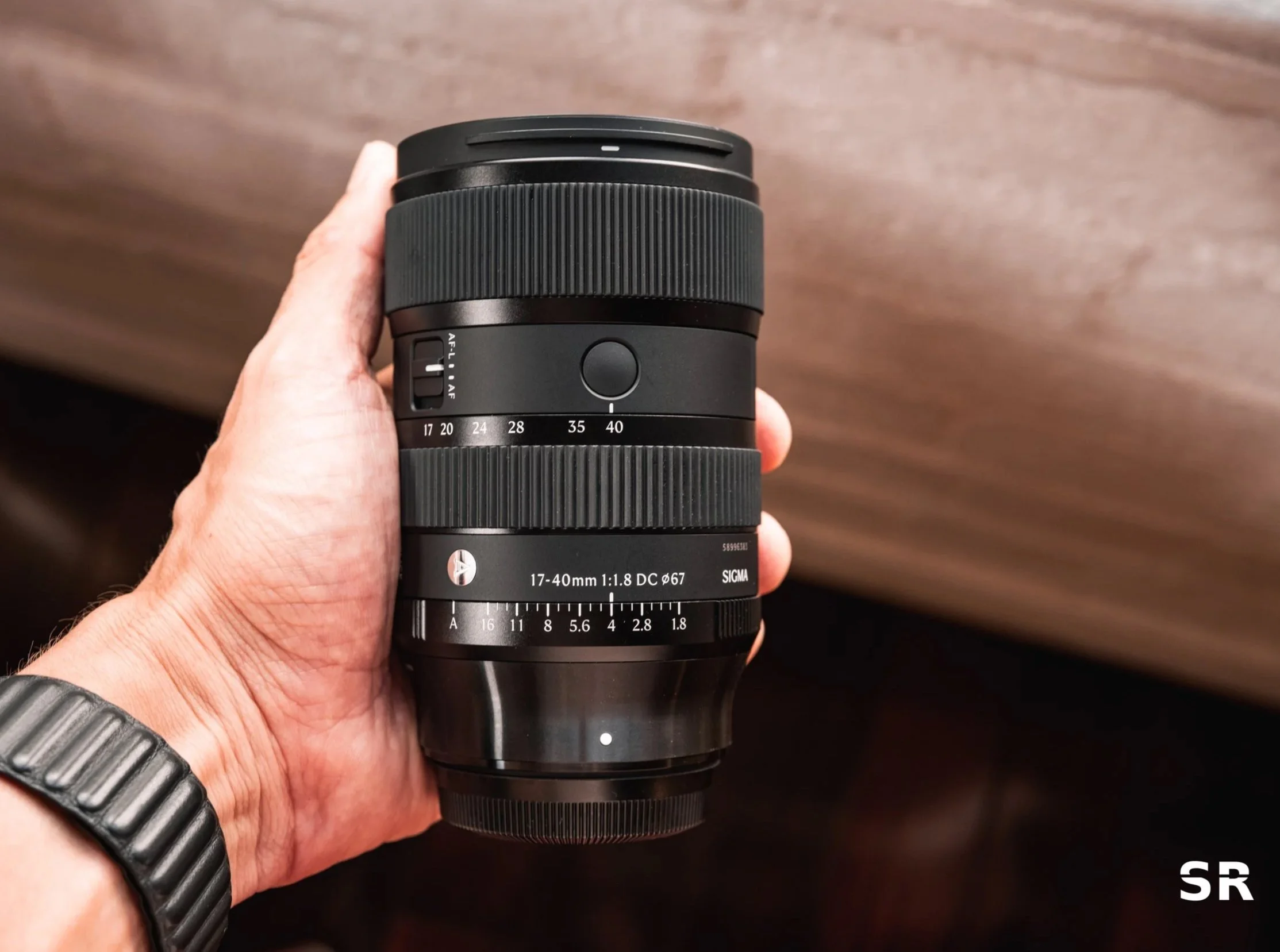
In June of 2025, Sigma announced Sigma 17-40mm f/1.8 DC Art lens, a constant f/1.8 aperture standard zoom for APS-C and kept it surprisingly portable, radically altering the market of standard zoom lenses for crop sensors. I’ve had the Sigma 17-40mm f/1.8 DC Art lens for about a week now, and so far, I’ve been very pleased with the performance, handling, and build quality. I tried searching for a copy in the second-hand market and had no luck, this lens is flying off the shelves faster than they can re-stock them. If you find a new copy for a good price, I say go for it. If you don’t love the lens, come back to the comment section and yell at me.
In a nutshell, there is nothing in the market for APS-C that compares to the level of performance that this lens provides. This is the most versatile “normal” premium zoom option available for professionals. I know this lens will find itself in the hands of wedding and portrait photographers, as well as videographers. I can also envision event photographers who move between group scenes and tighter storytelling frames will appreciate the range and speed. Hybrid creators who shoot with gimbals will get the benefit of internal zoom and quiet drive for video. Every type of photographer will be happy to hear that this lens did not drain my battery life (with Fujifilm’s native batteries).
The Sigma 17-40mm f/1.8 DC Art lens is available for the following mounts:
Sony E Mount
Below I’ll share some example photos, tell you a little about what I like, what I wish was different, and somethings that you may want consider if you are thinking about splurging.
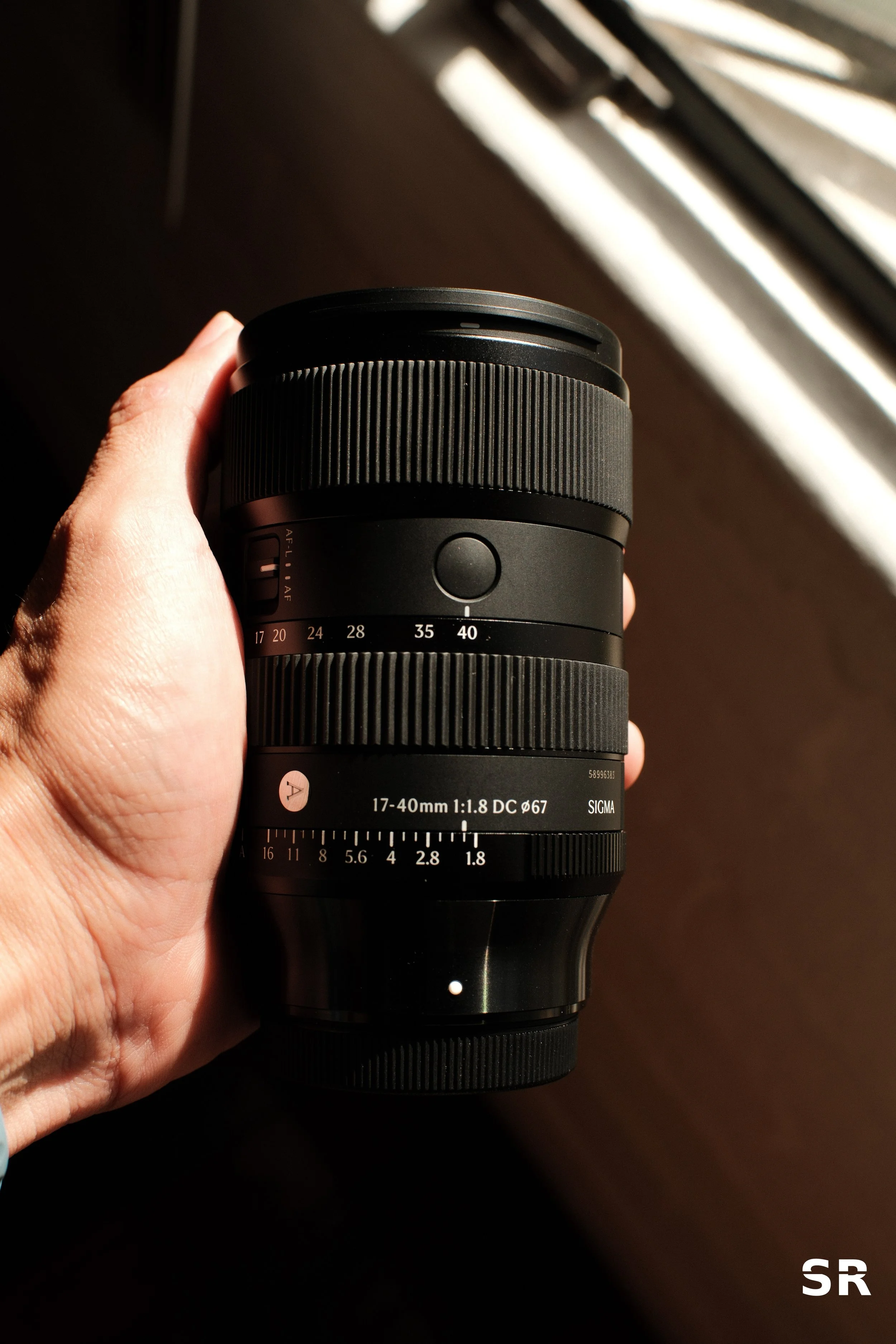
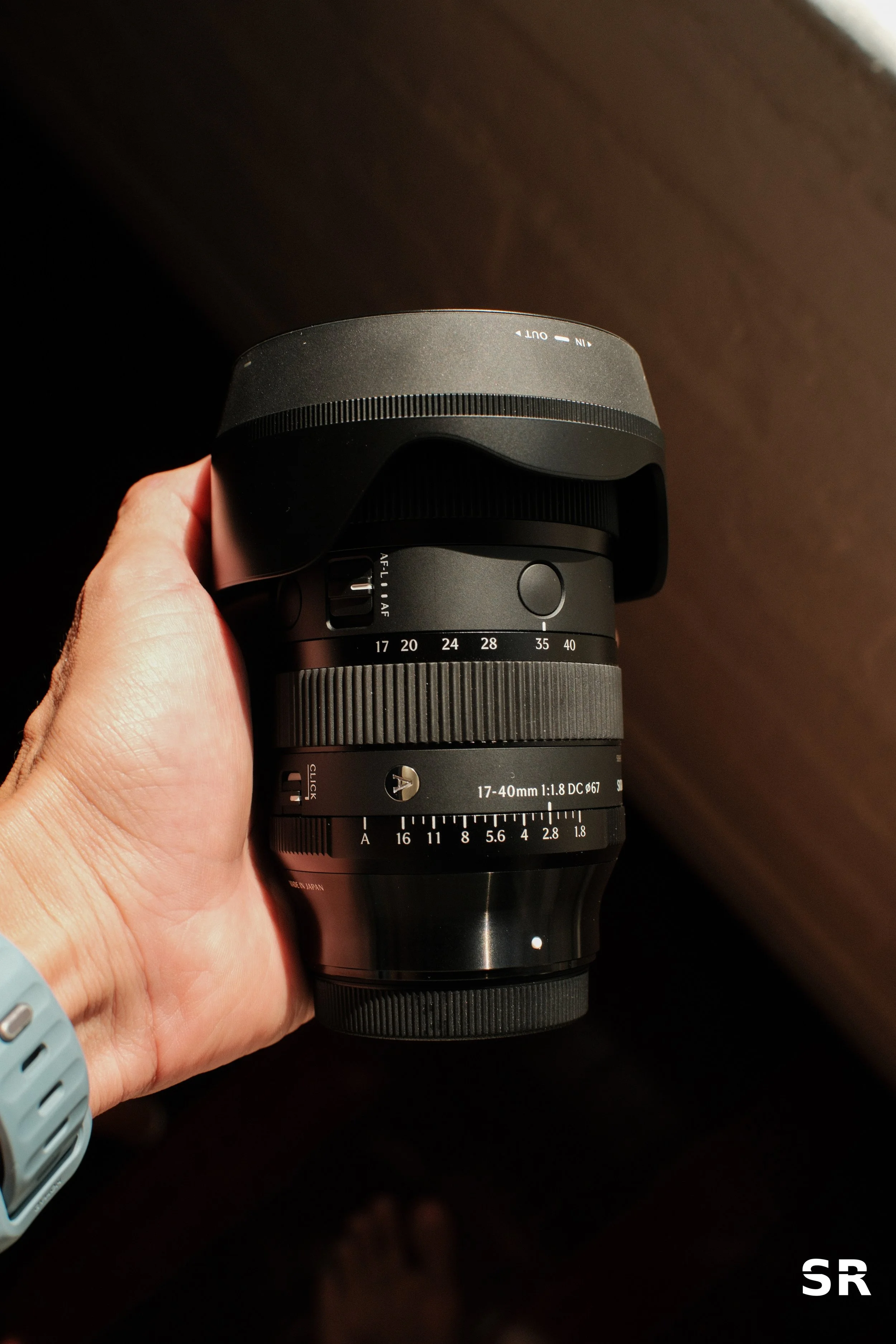
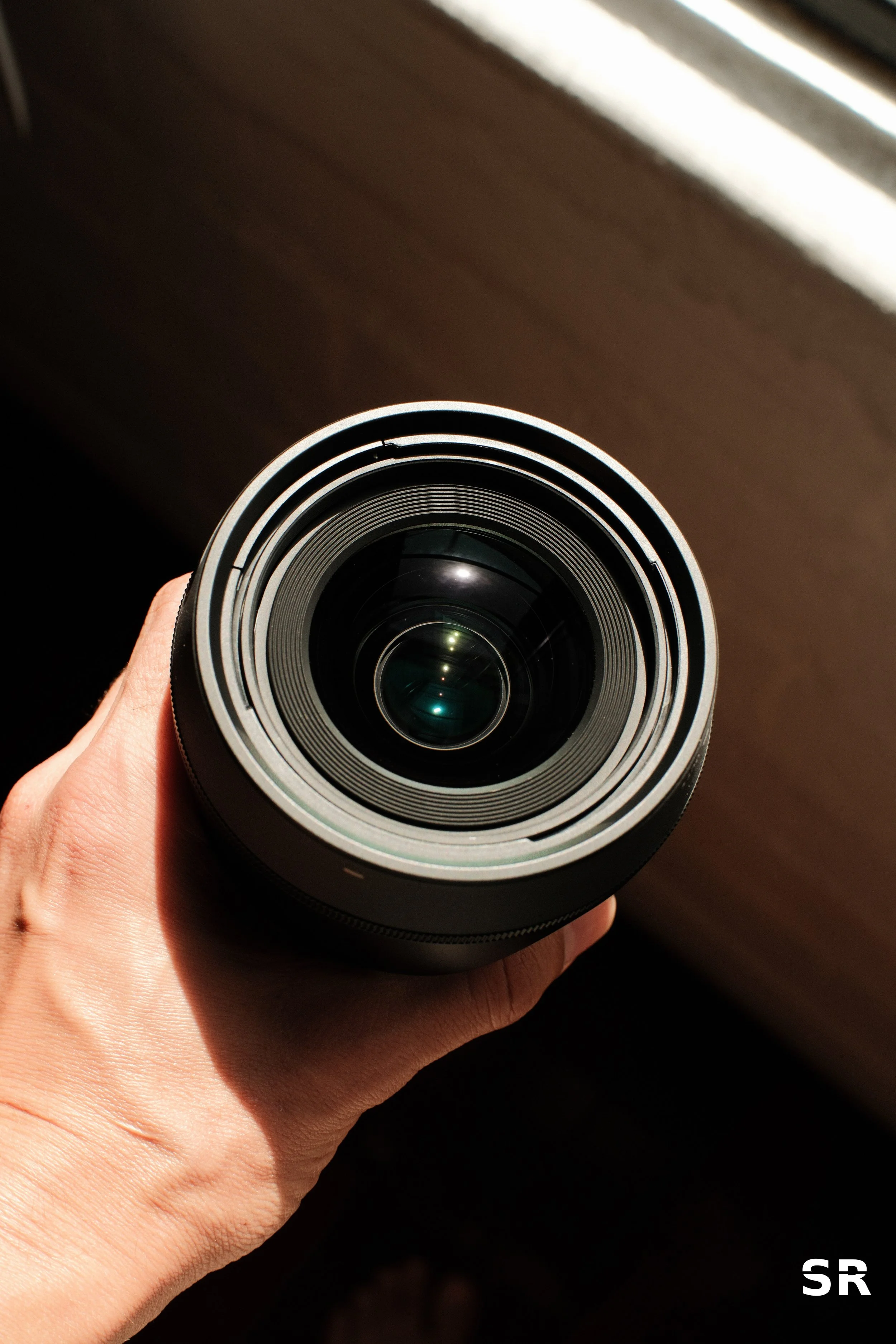
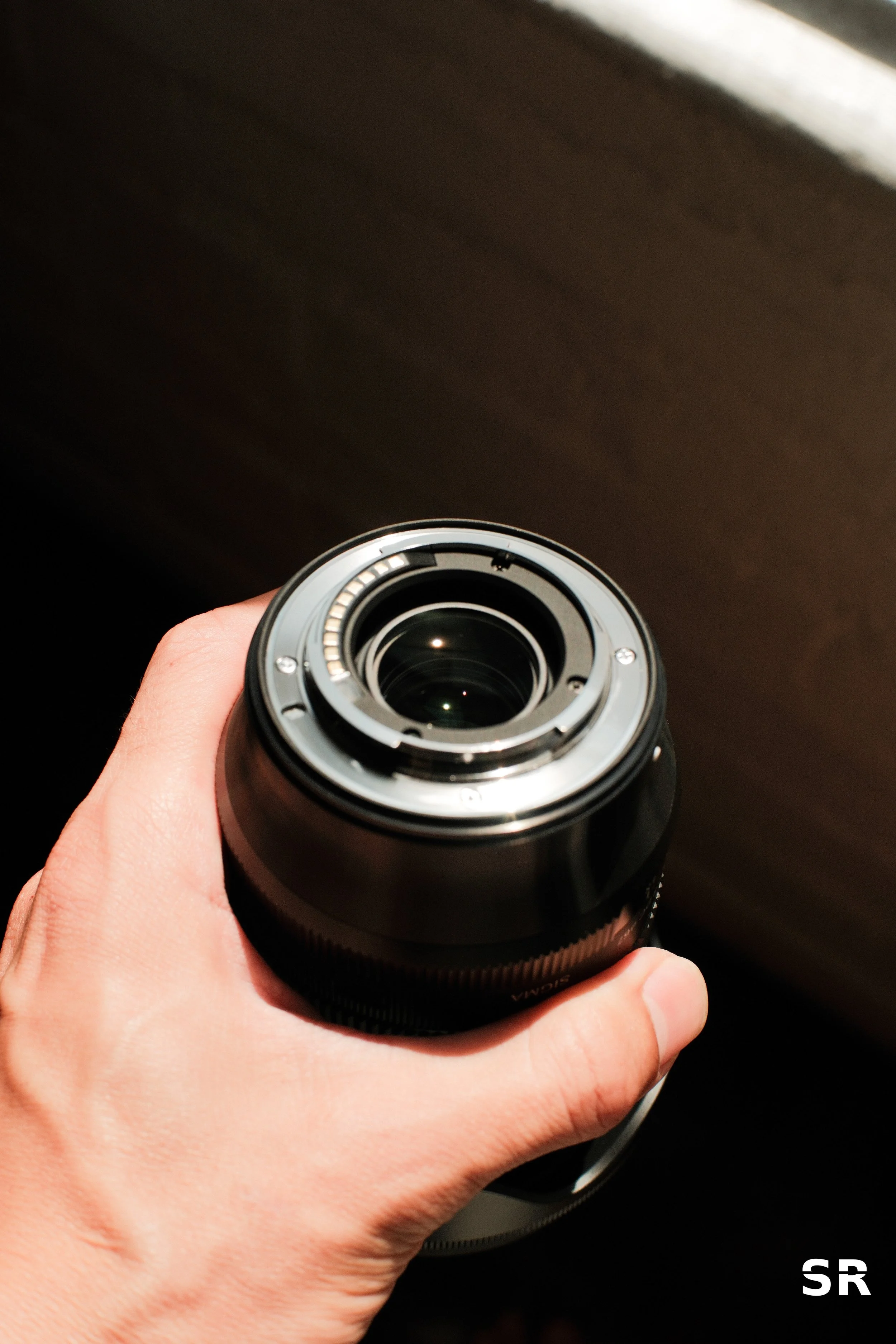
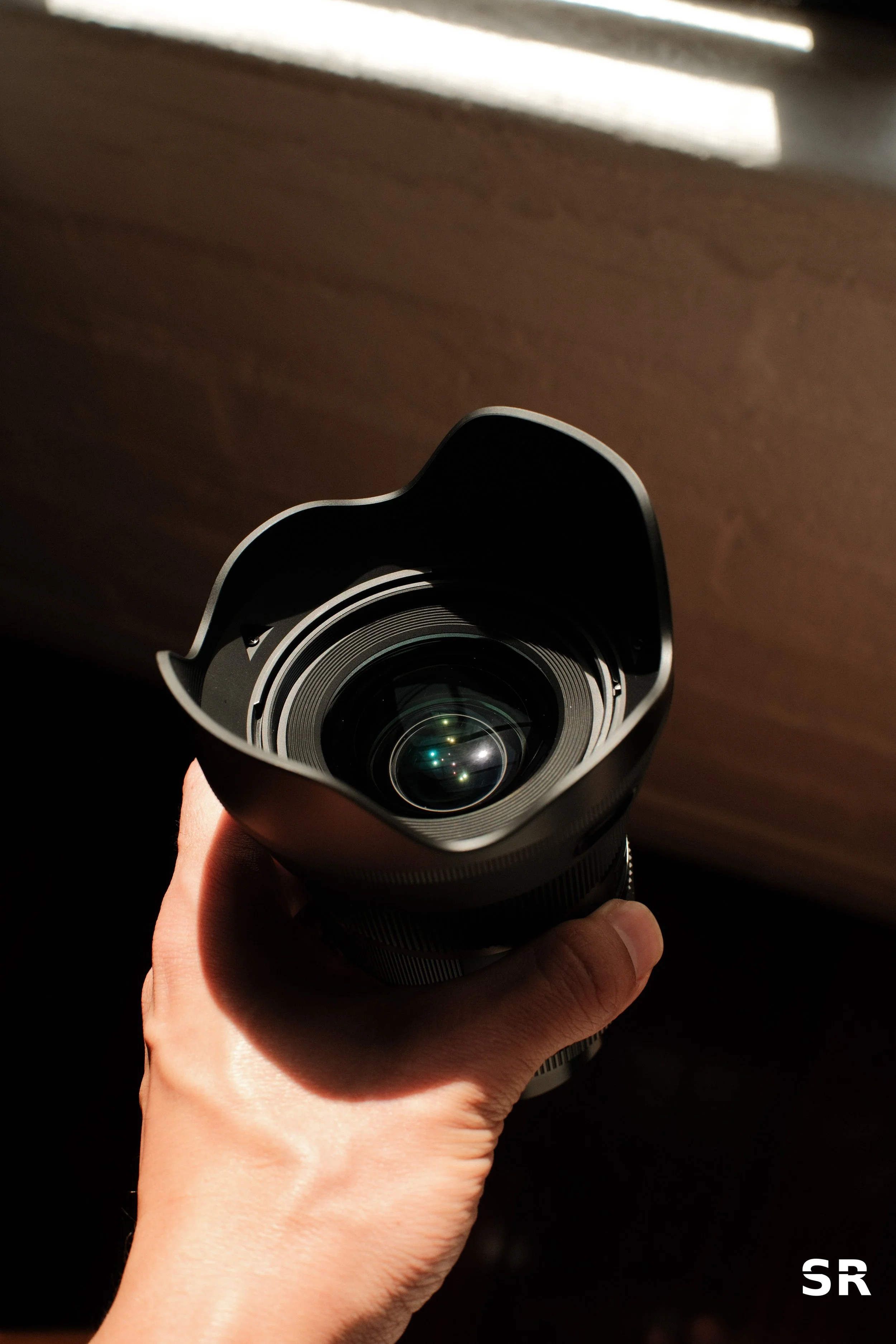
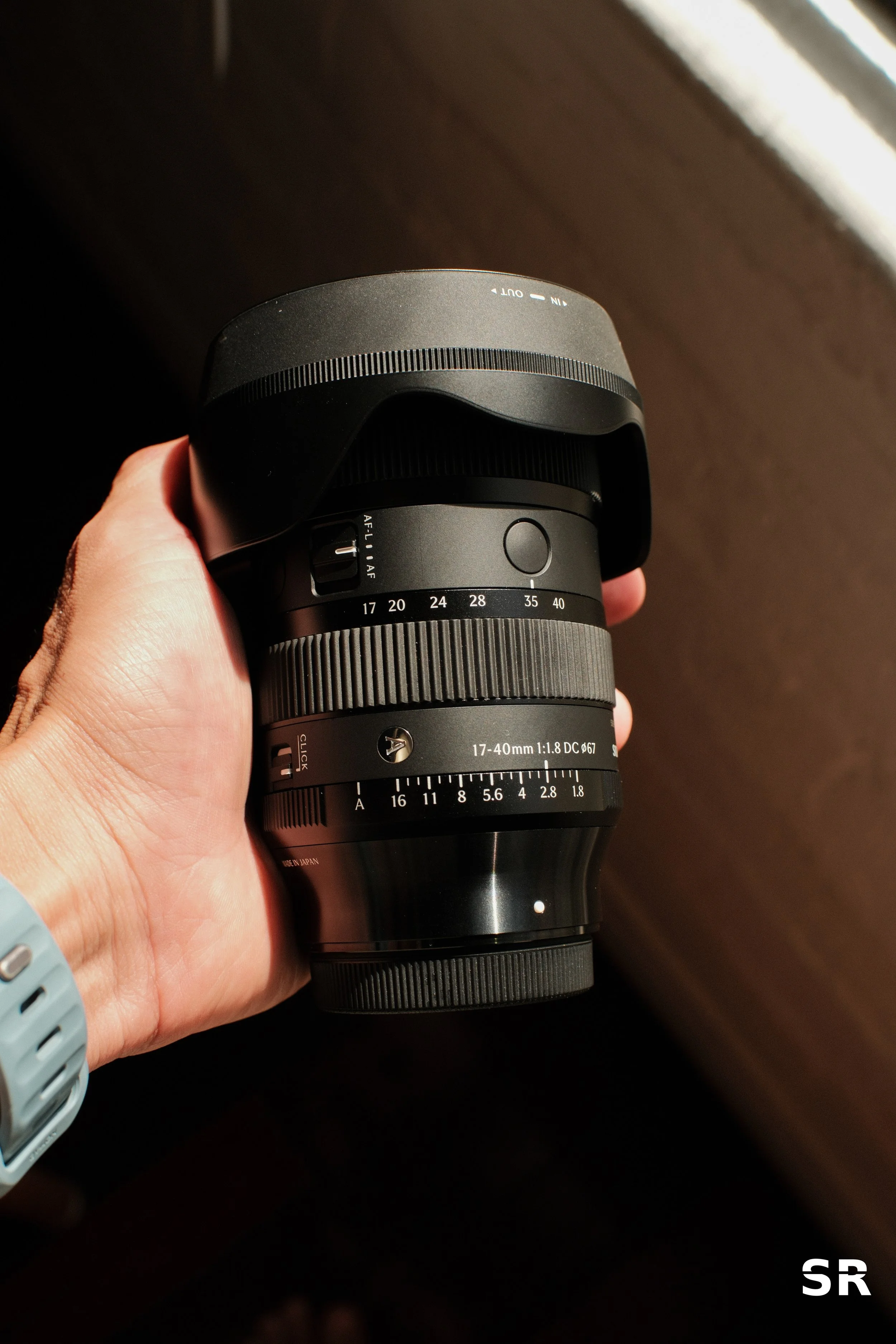
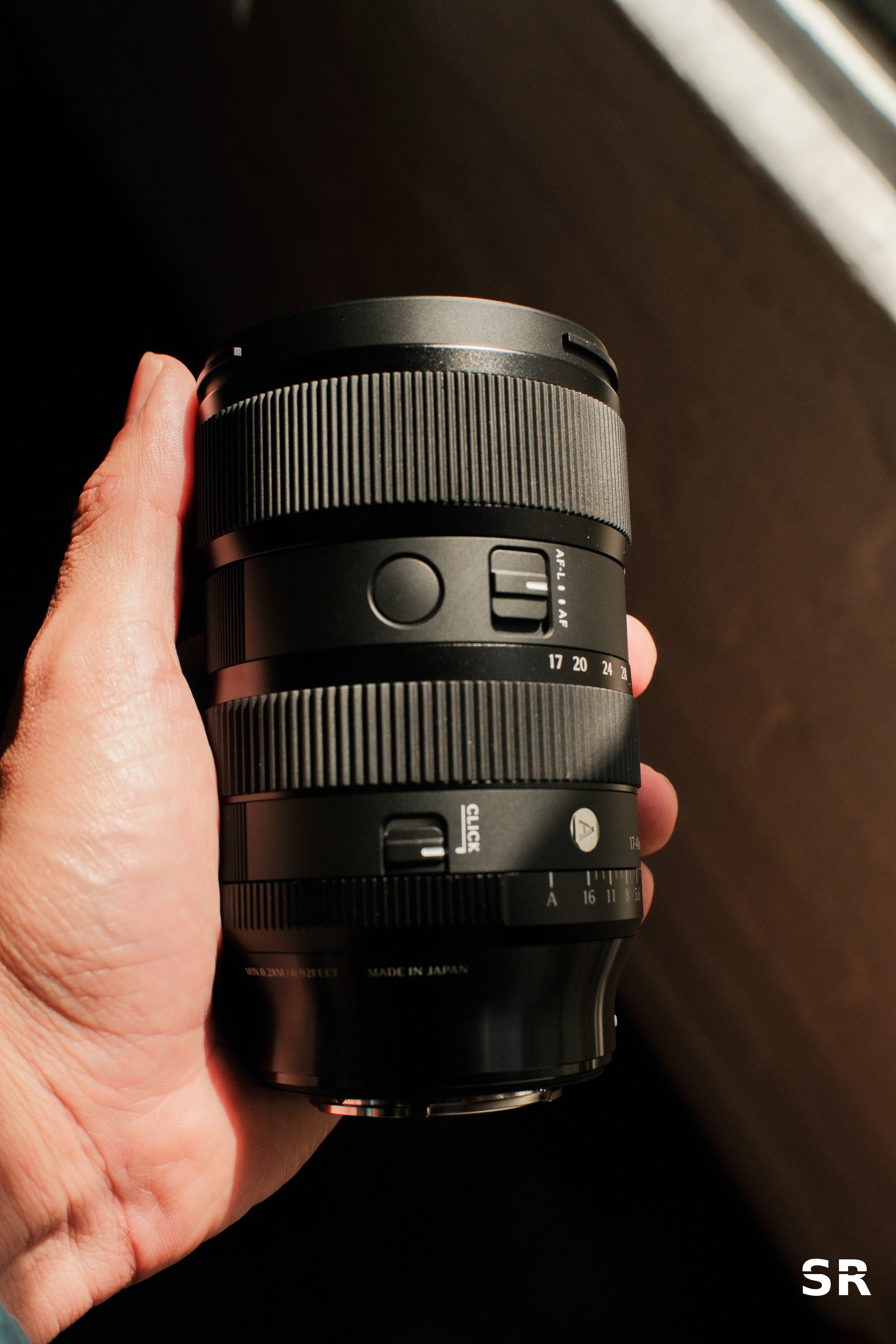
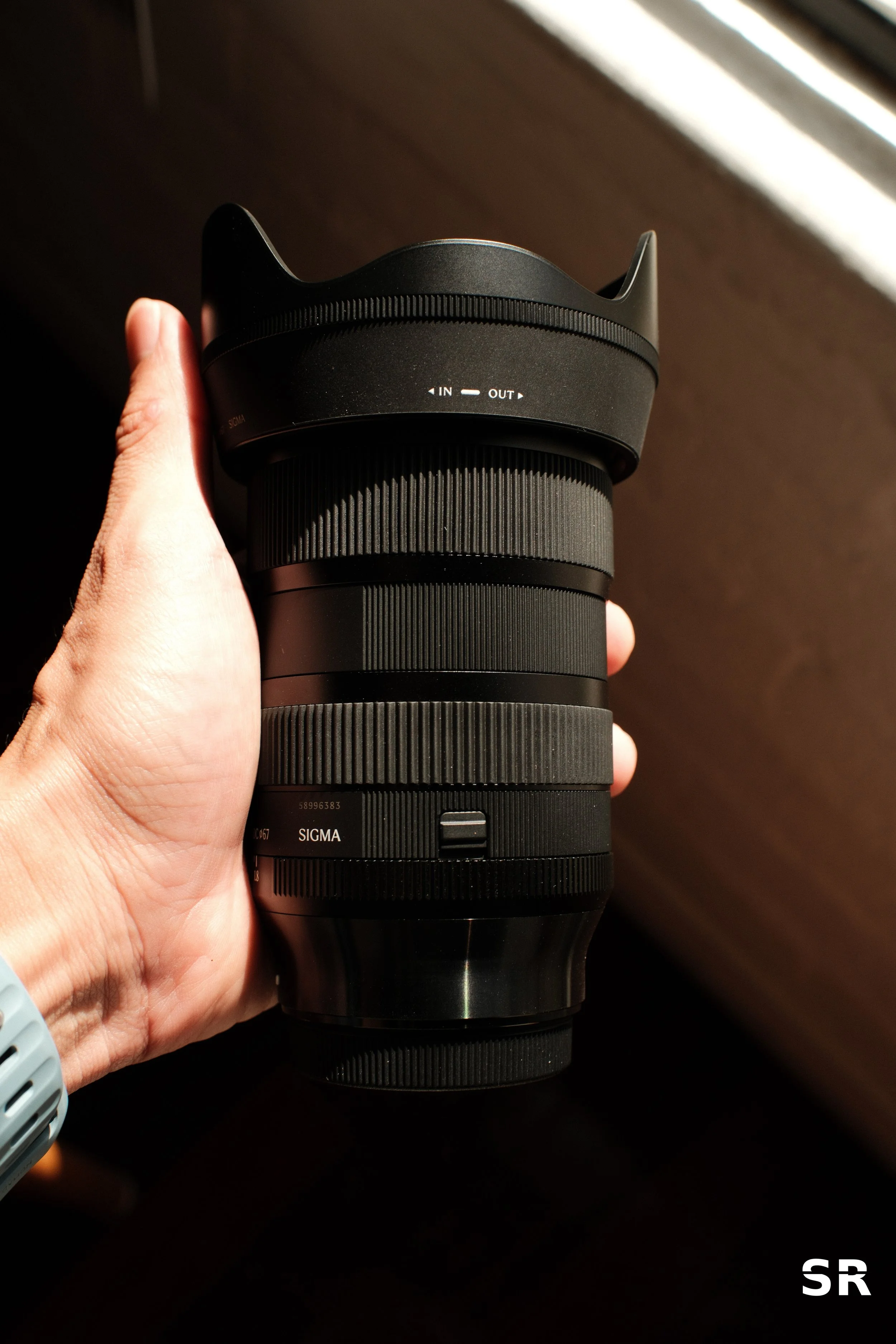
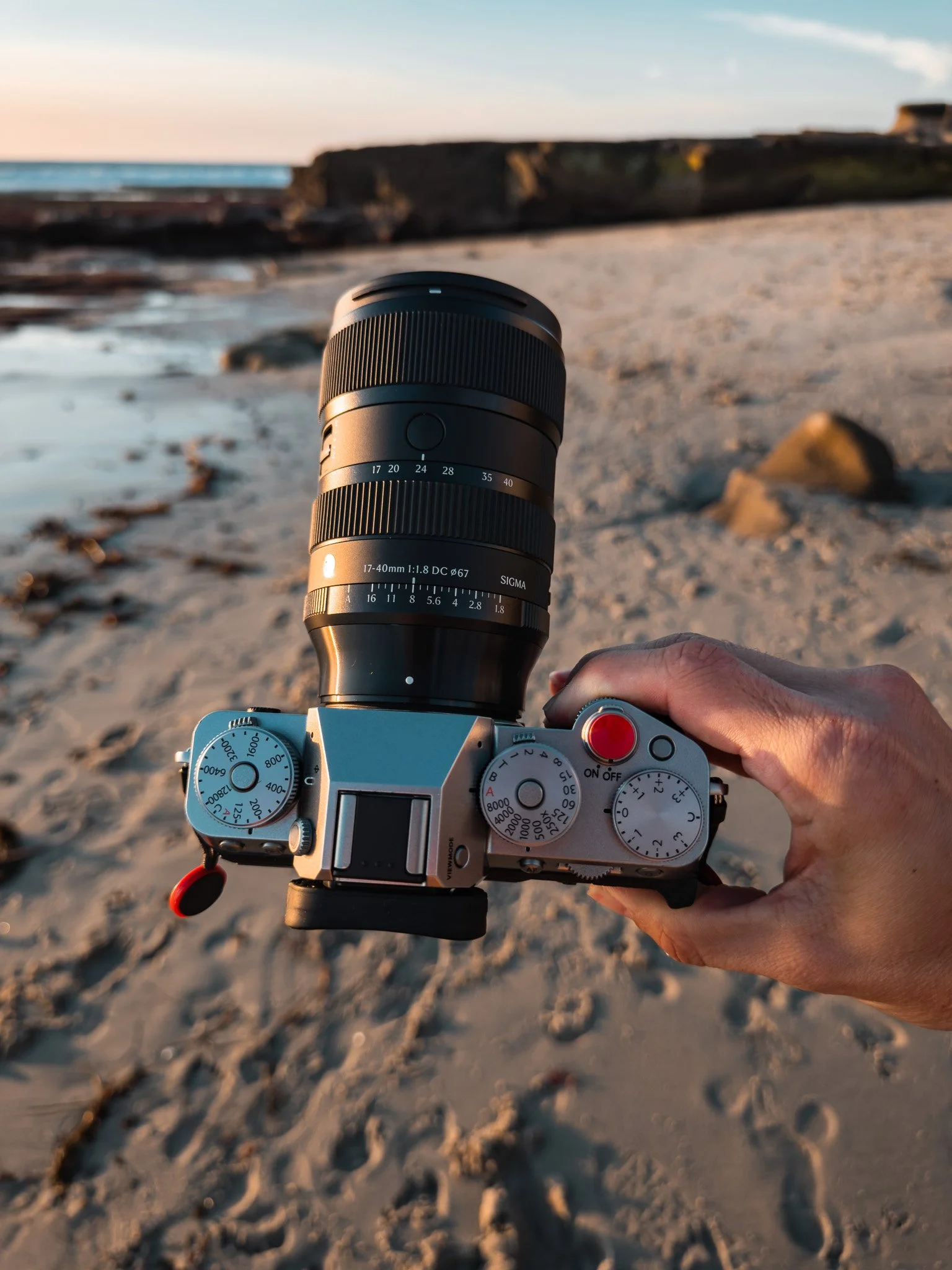
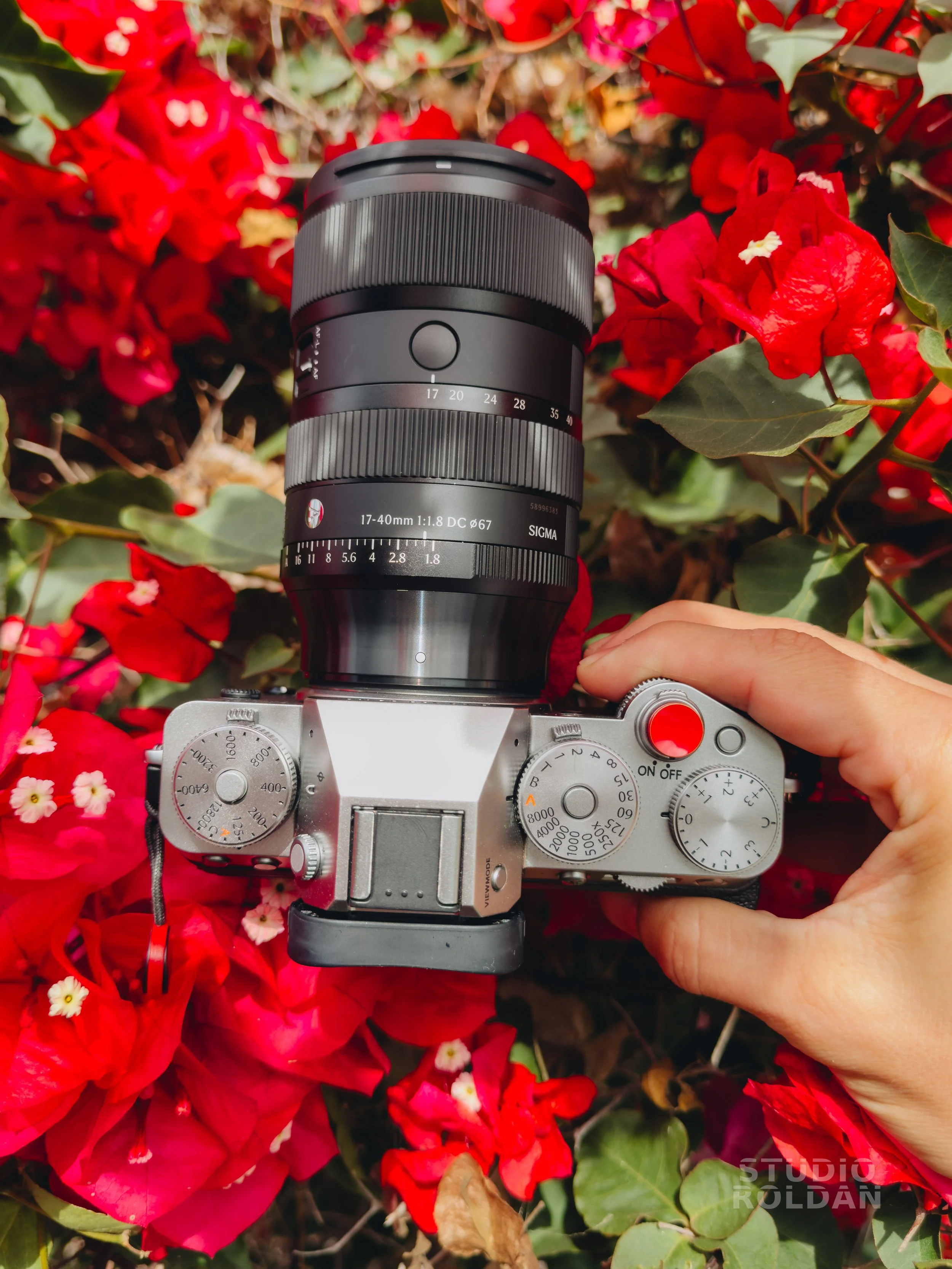
Image Quality and Performance
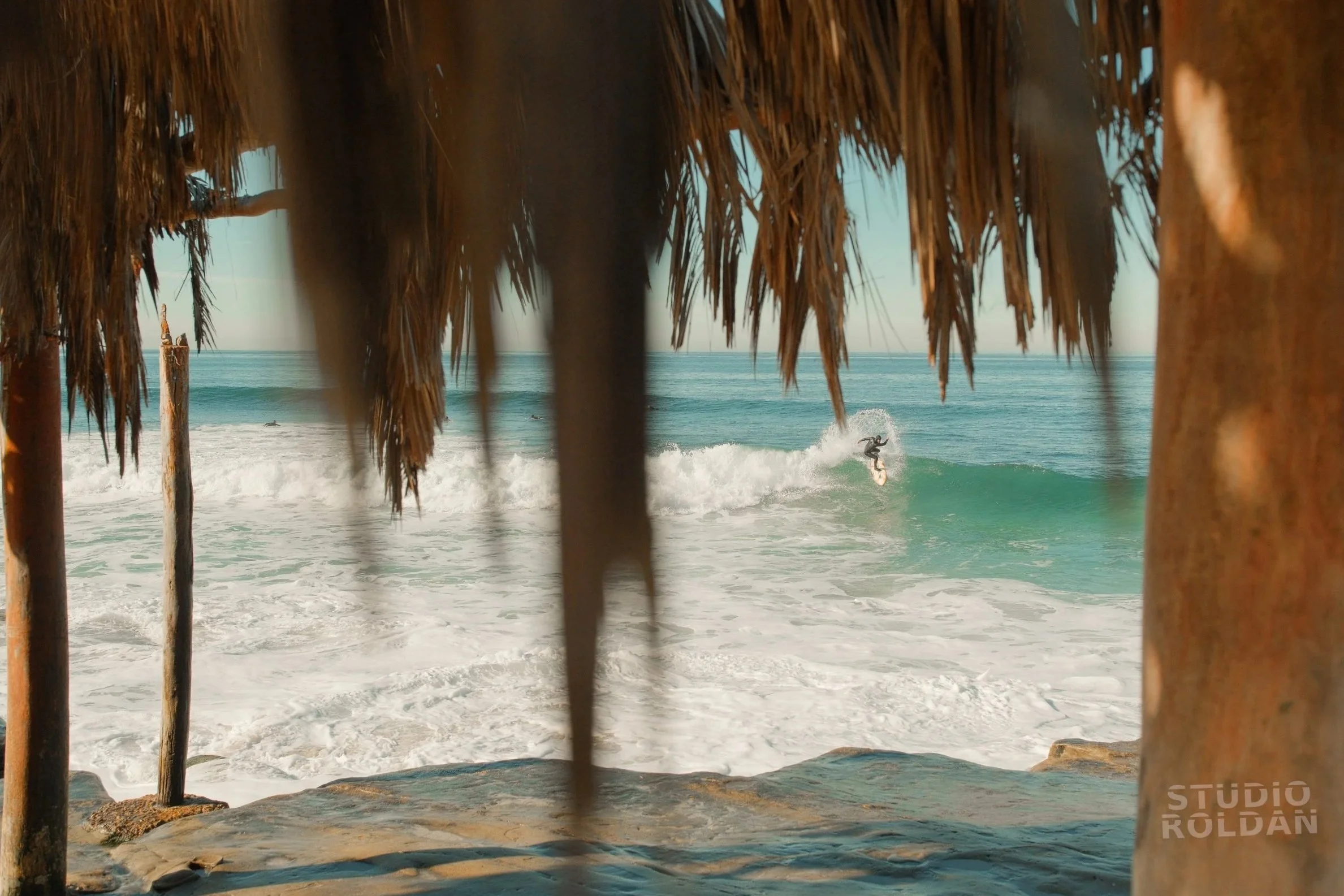
Wow. This lens is impressive. As far as I know, this is the only f/1.8 aperture regular zoom for APS-C at the moment. In the field, this lens behaves like a fast prime that happens to zoom. Paired with the 40 megapixel sensor inside my Fujifilm XT-5, and I’ve been able to crop my heart’s delight while maintaining good image quality. Images are tack sharp in the center, this should come as no surprise since Sigma’s Art lenses are designed for premium optics. Edges show a little softness, but they tidy up quickly as you stop down to f/2.8 and f/4. Vignetting is present but fairly decent, easily fixed with a click of a button in Lightroom. I have had zero issues. Contrast holds nicely, and Sigma’s premium coatings keep flares in check. Bokeh is very nice (look below), falling off smoothly and evenly at all focal lengths, but especially closer to 40mm. Autofocus is fast, snappy, silent, I haven’t missed many shots.
This may be a controversial statement, but, I think this lens can easily replace three prime lenses in your bag. (18mm, 27mm, 35mm). When I walk out the door, there are now only two lenses in my bag, the Fujifilm 90mm f/2 and Sigma 17-40mm f/1.8 DC Art. That covers all (okay, most) my bases. If you are a prime lens purist, this lens is probably not for you, but then again, if you’re a prime lens purist, you’re not really reading this blog. But if you are, and you’re here, maybe you’ll change your mind once you try this lens. Who knows, I’m not your dad.


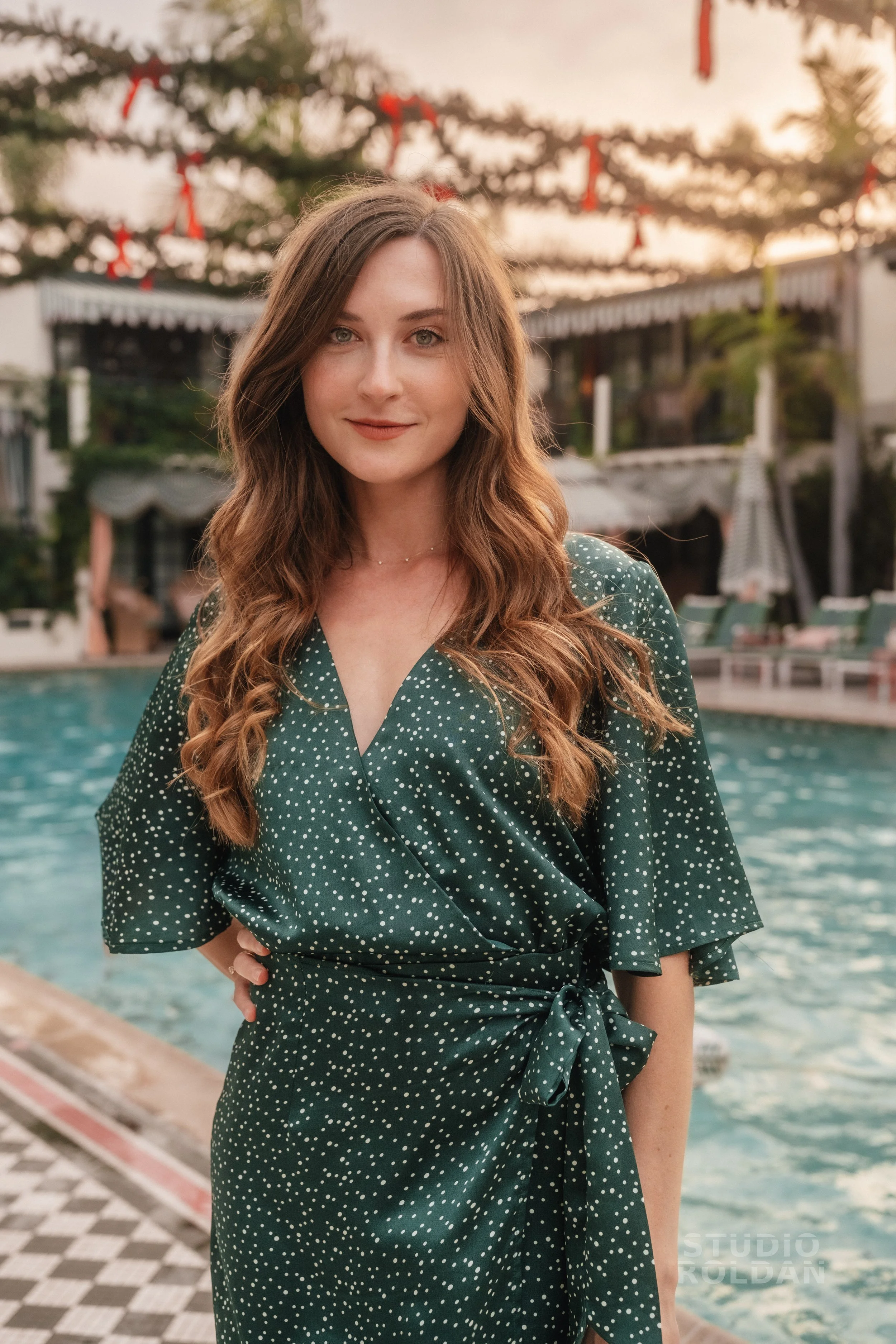





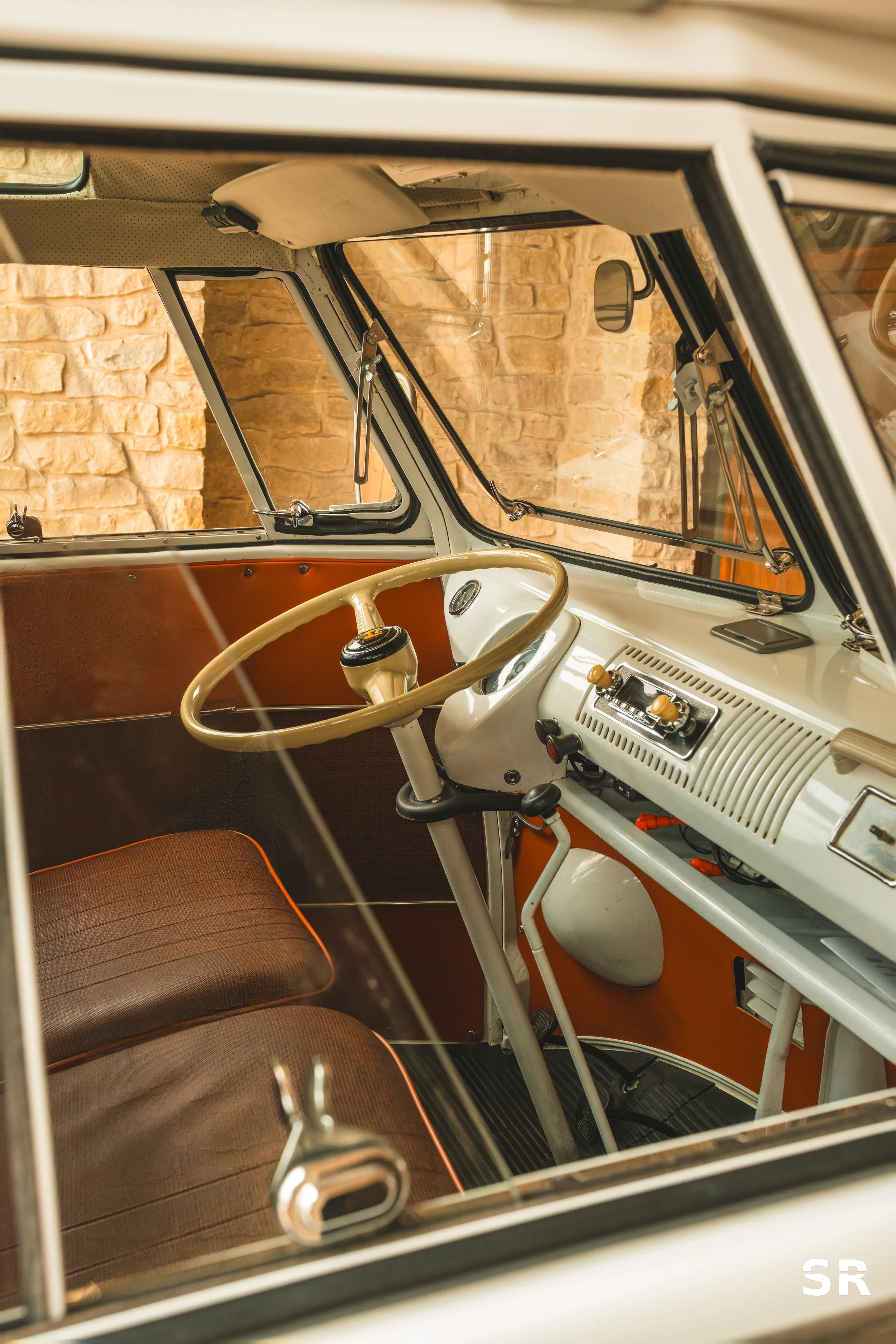

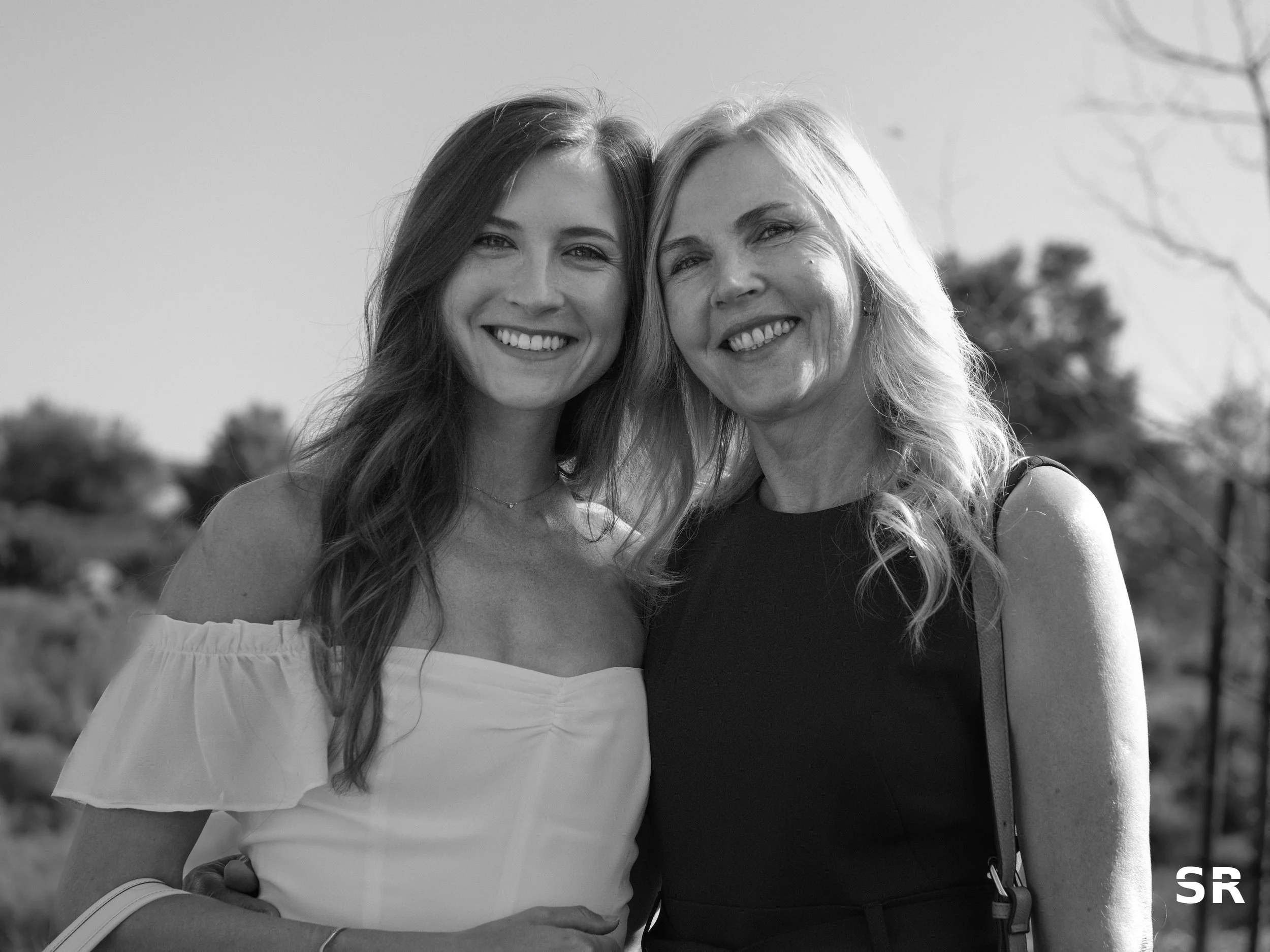



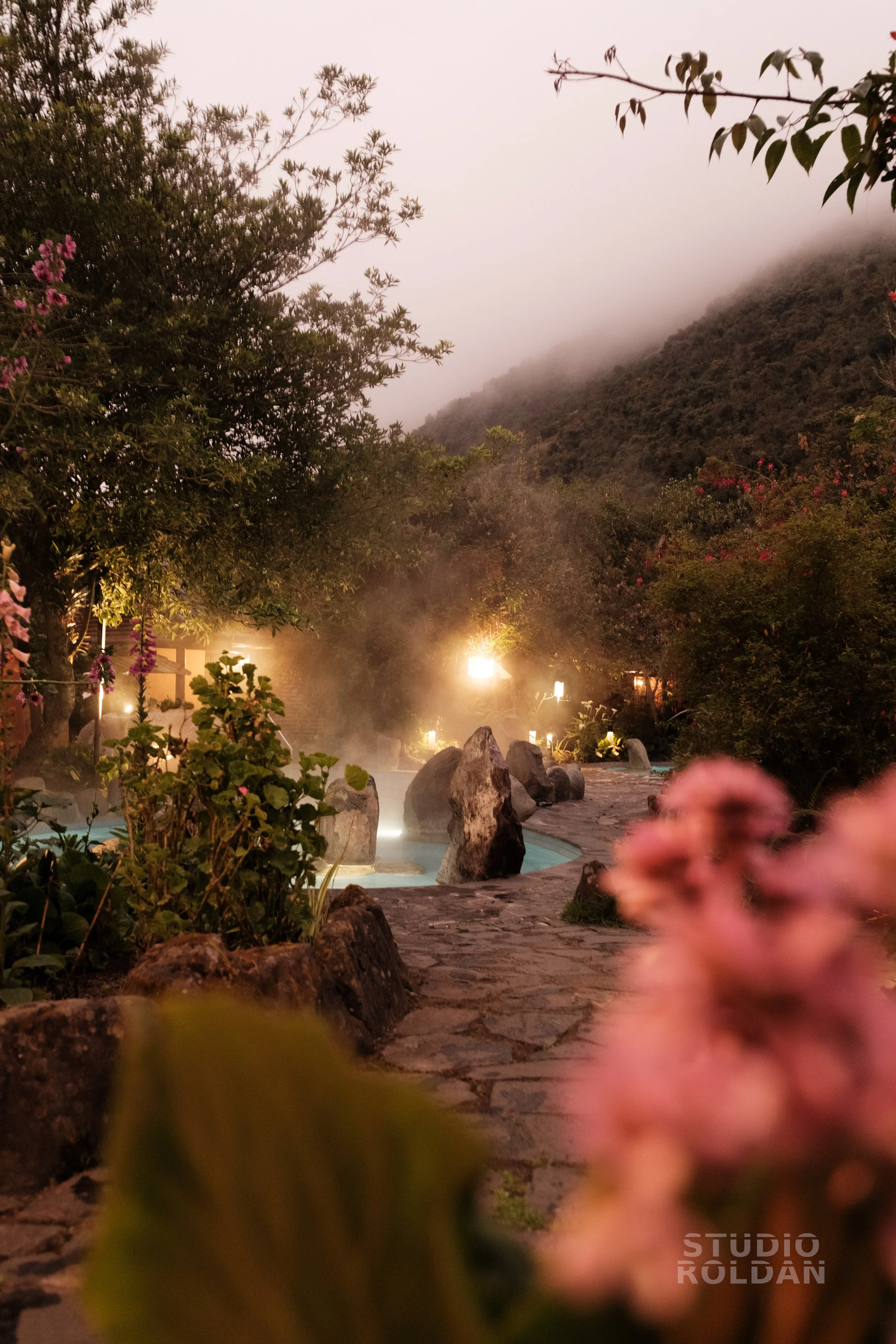
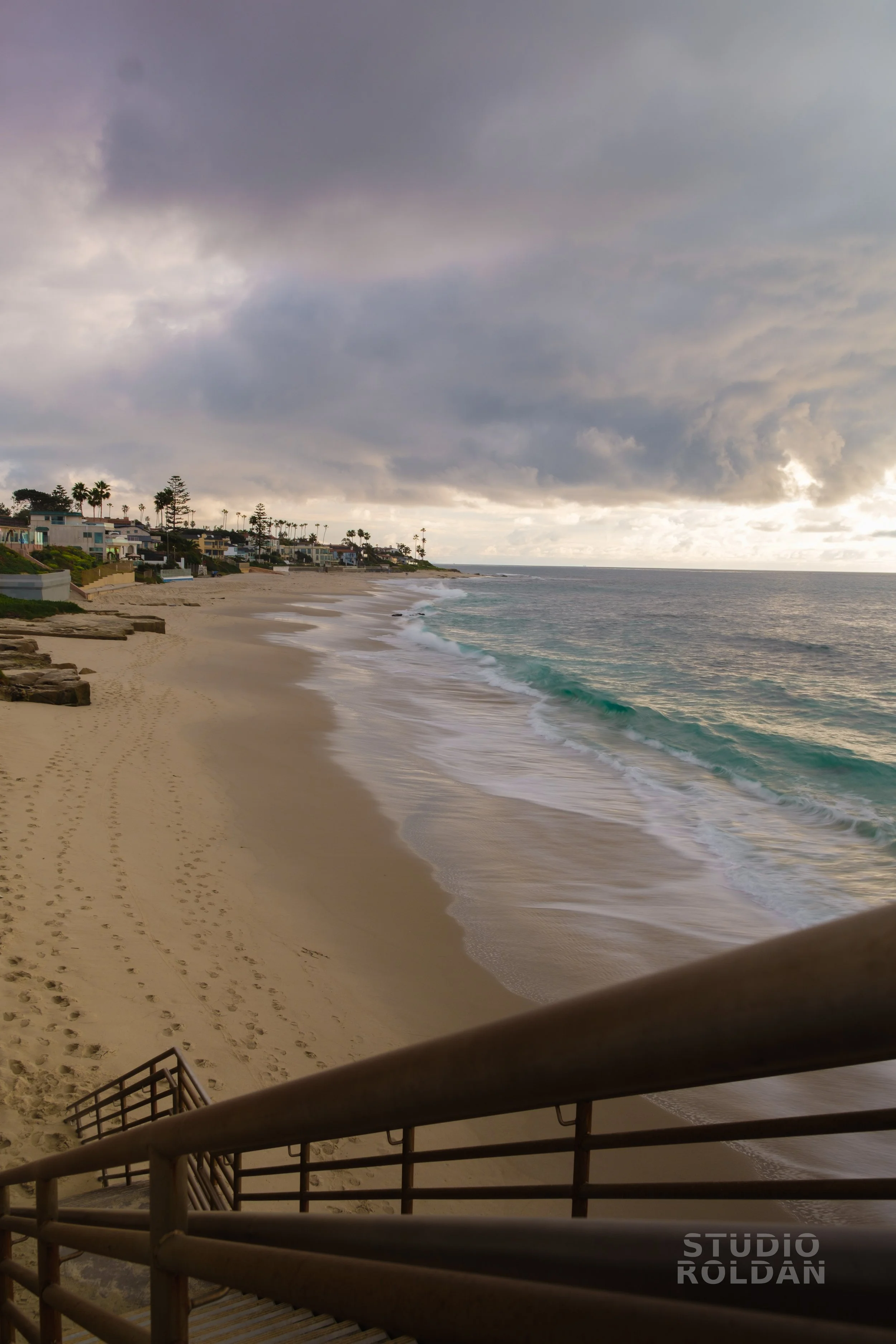
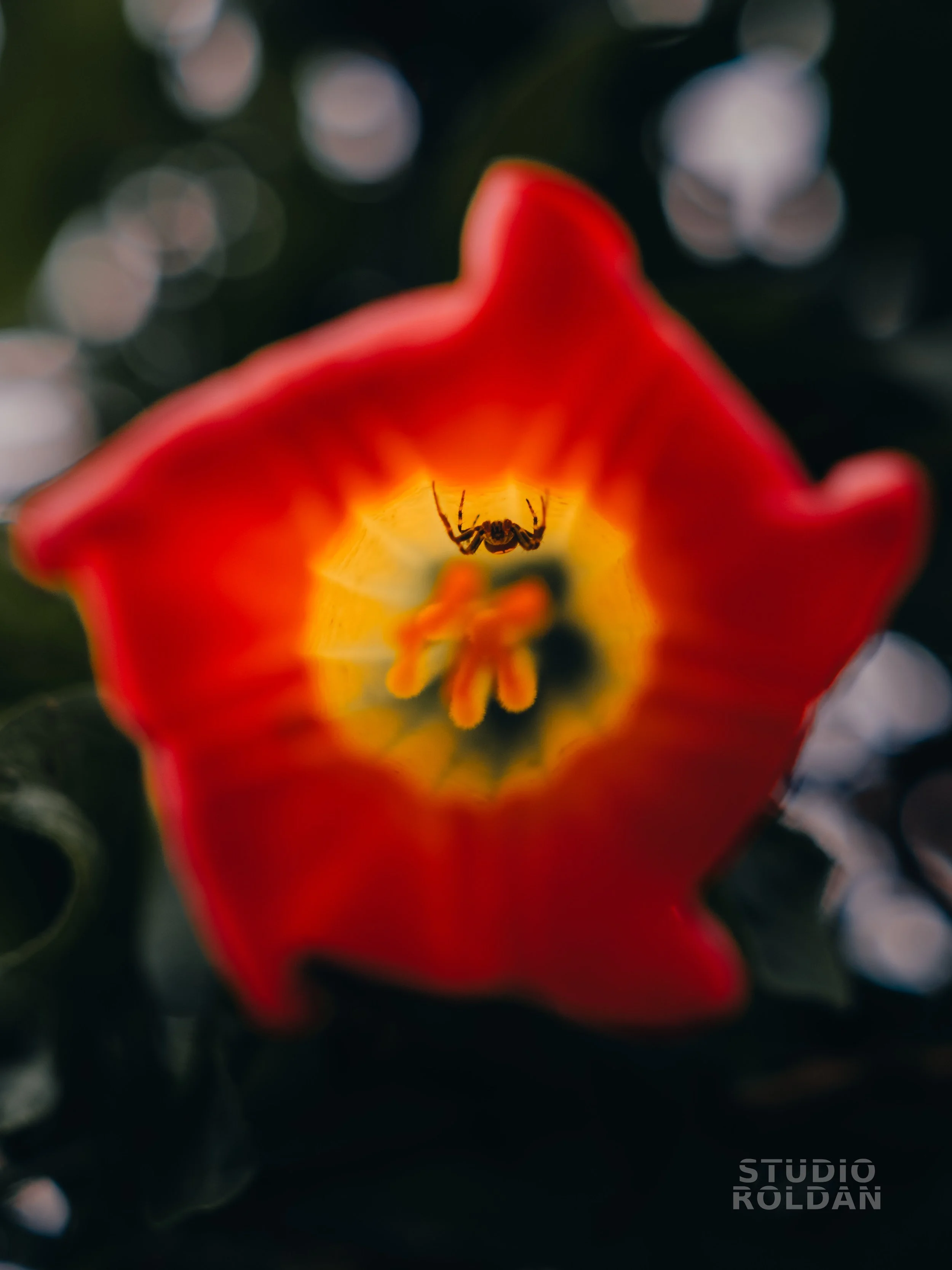

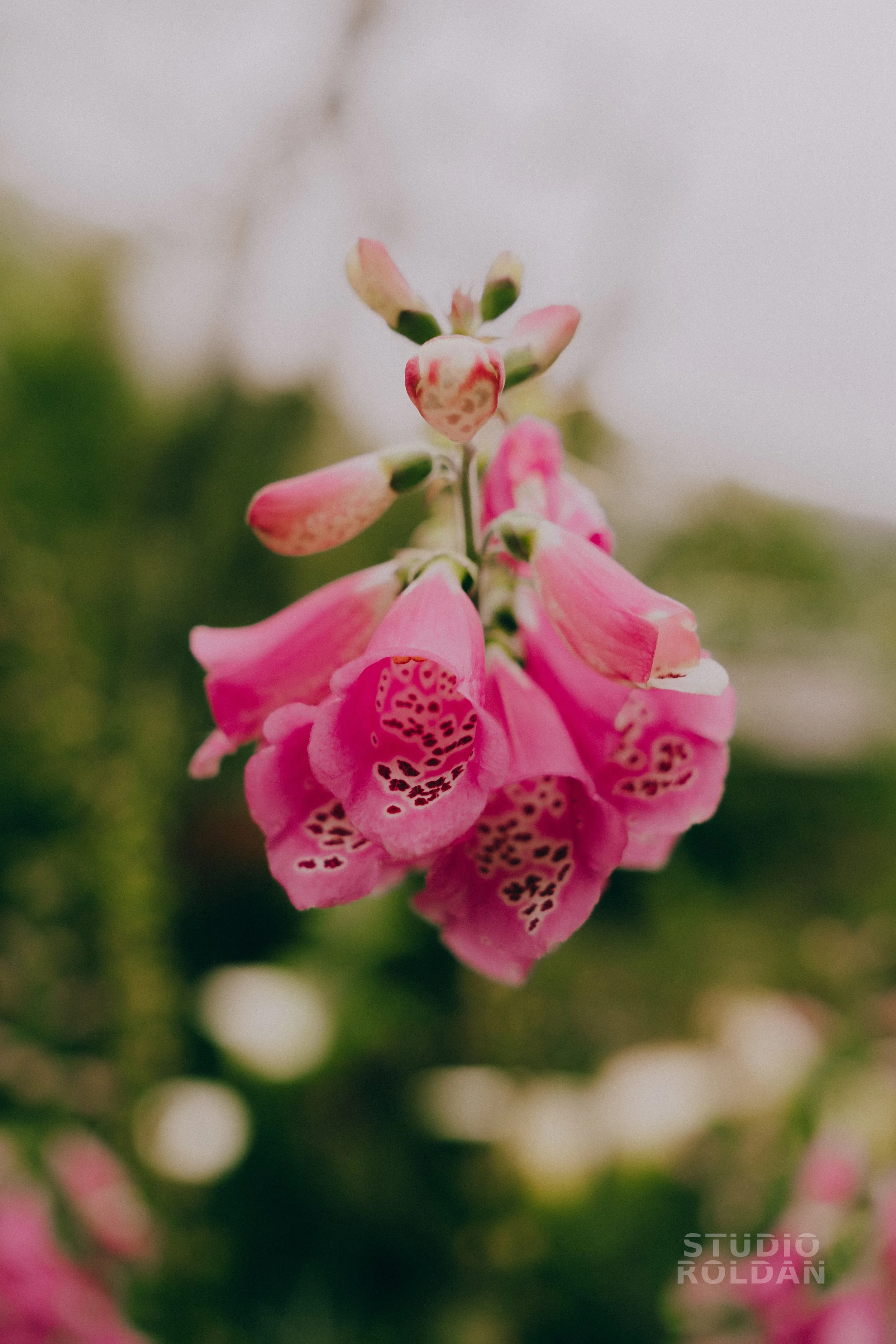


Photos Edited with my Lightroom Presets
Other “Nice-To-Haves” (mostly for videographers)
Sigma’s High-Response Linear Actuator (HLA) motor is quiet enough that it shouldn’t intrude on most recordings.
The internal zoom keeps the lens the same length, so a gimbal won’t need to be rebalanced every time the focal length changes. The barrel also stays closed instead of extending.
The lens has programmable buttons. The X Mount version also includes an AF-L/AF switch.
The aperture ring can be de-clicked for smooth exposure changes during video. On the Canon version, the ring is programmable.
I expect this lens to be especially popular with videographers because those features solve problems they deal with on nearly every shoot.
My Small Gripes
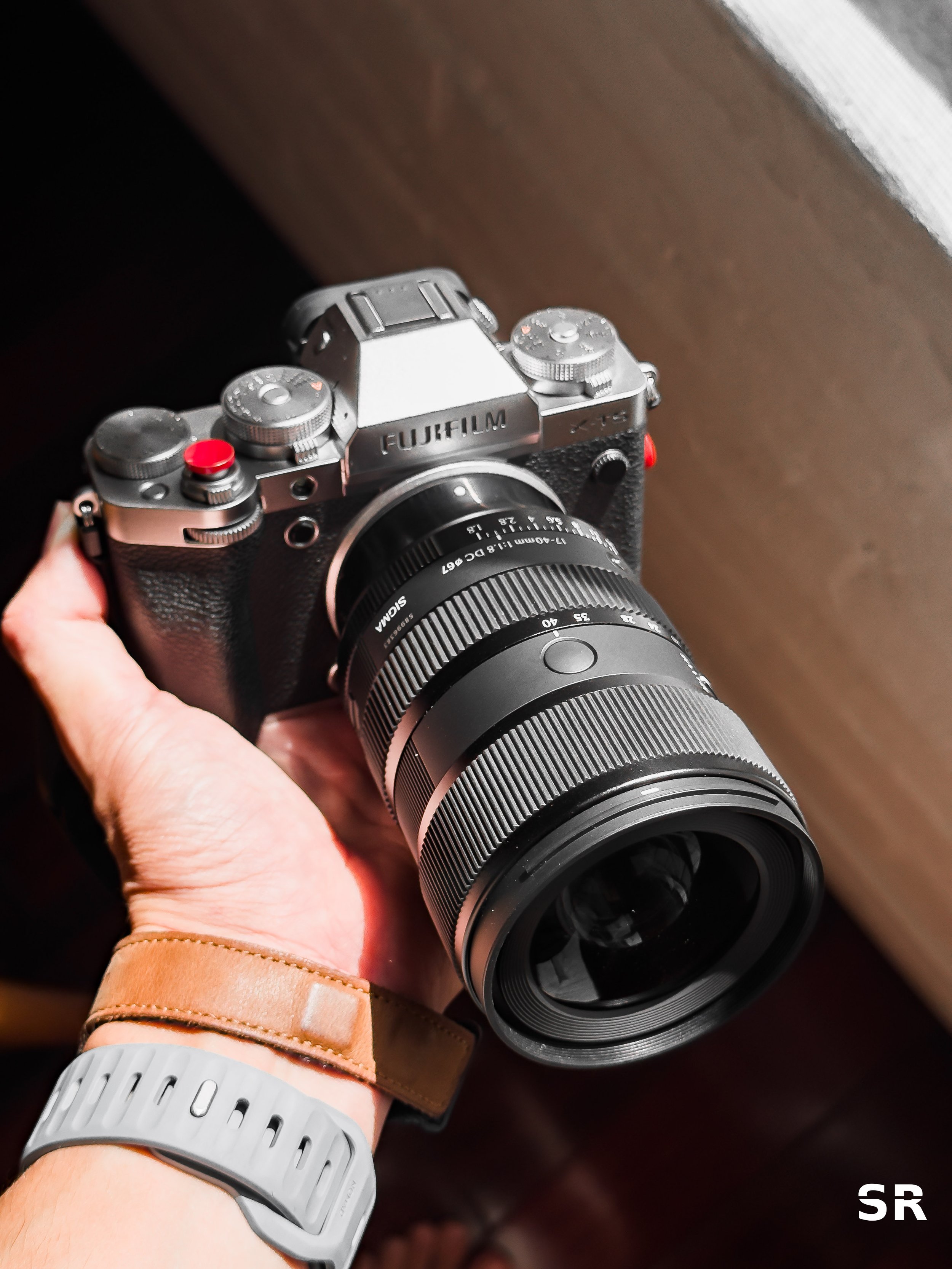
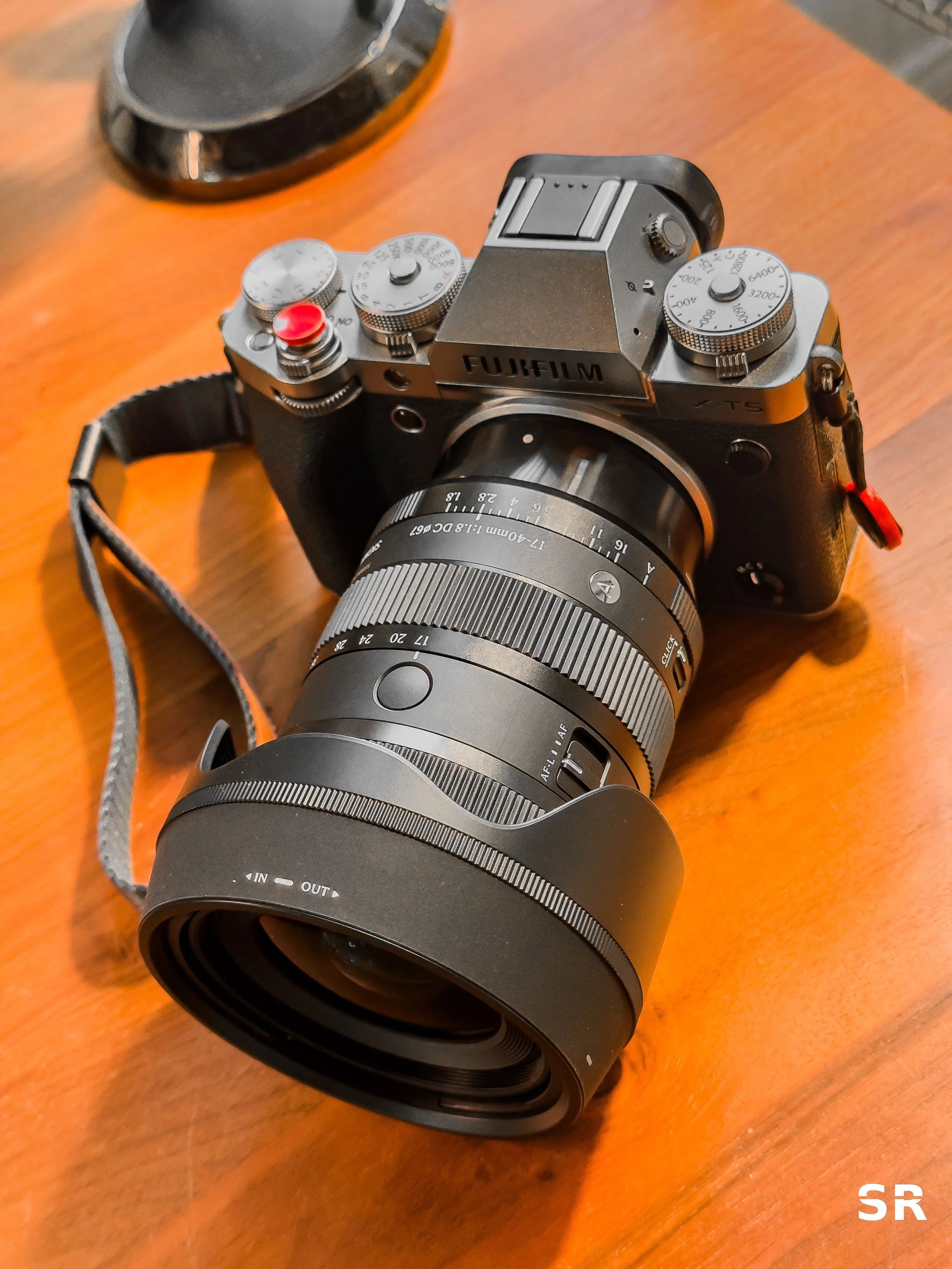
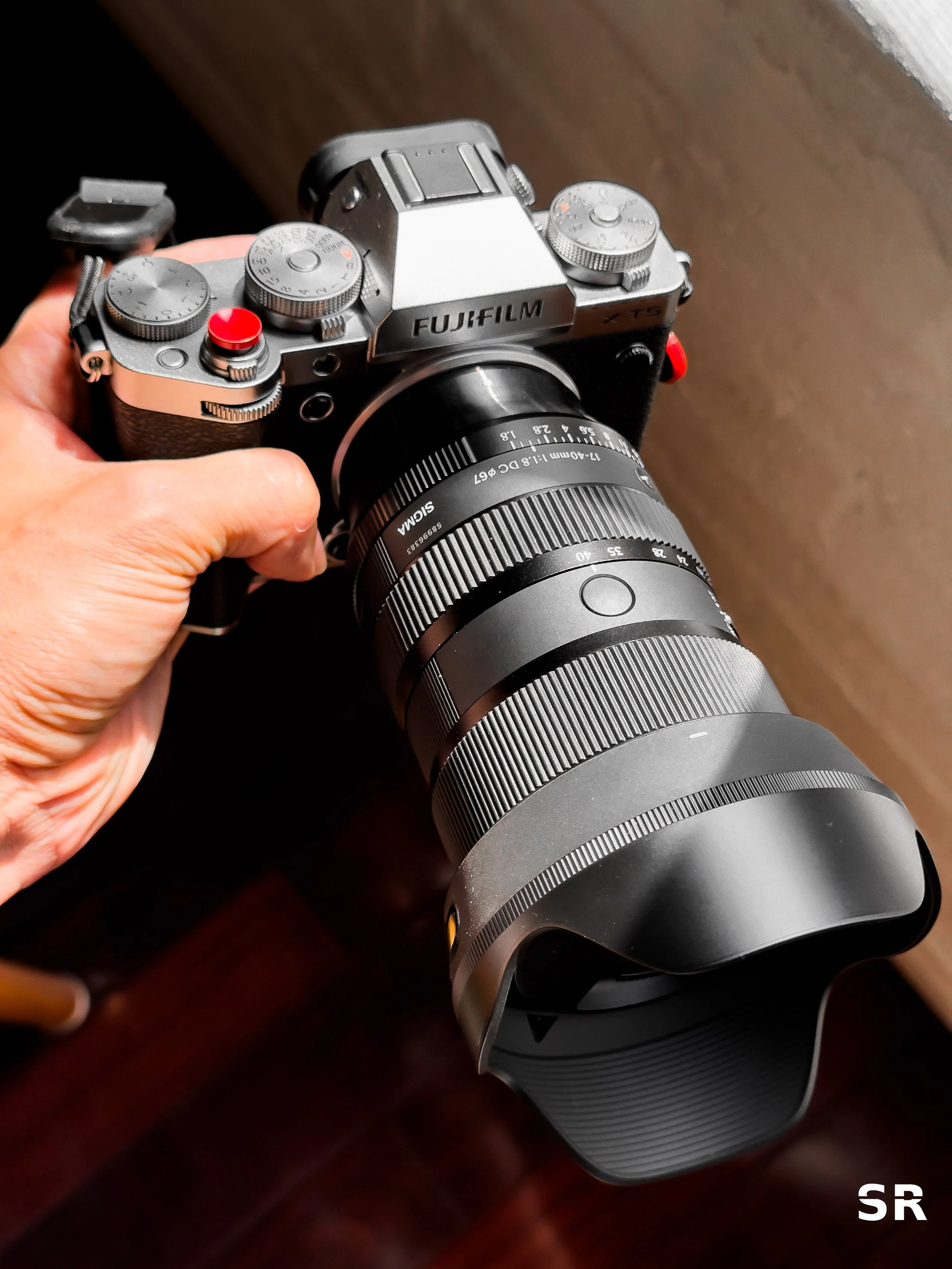
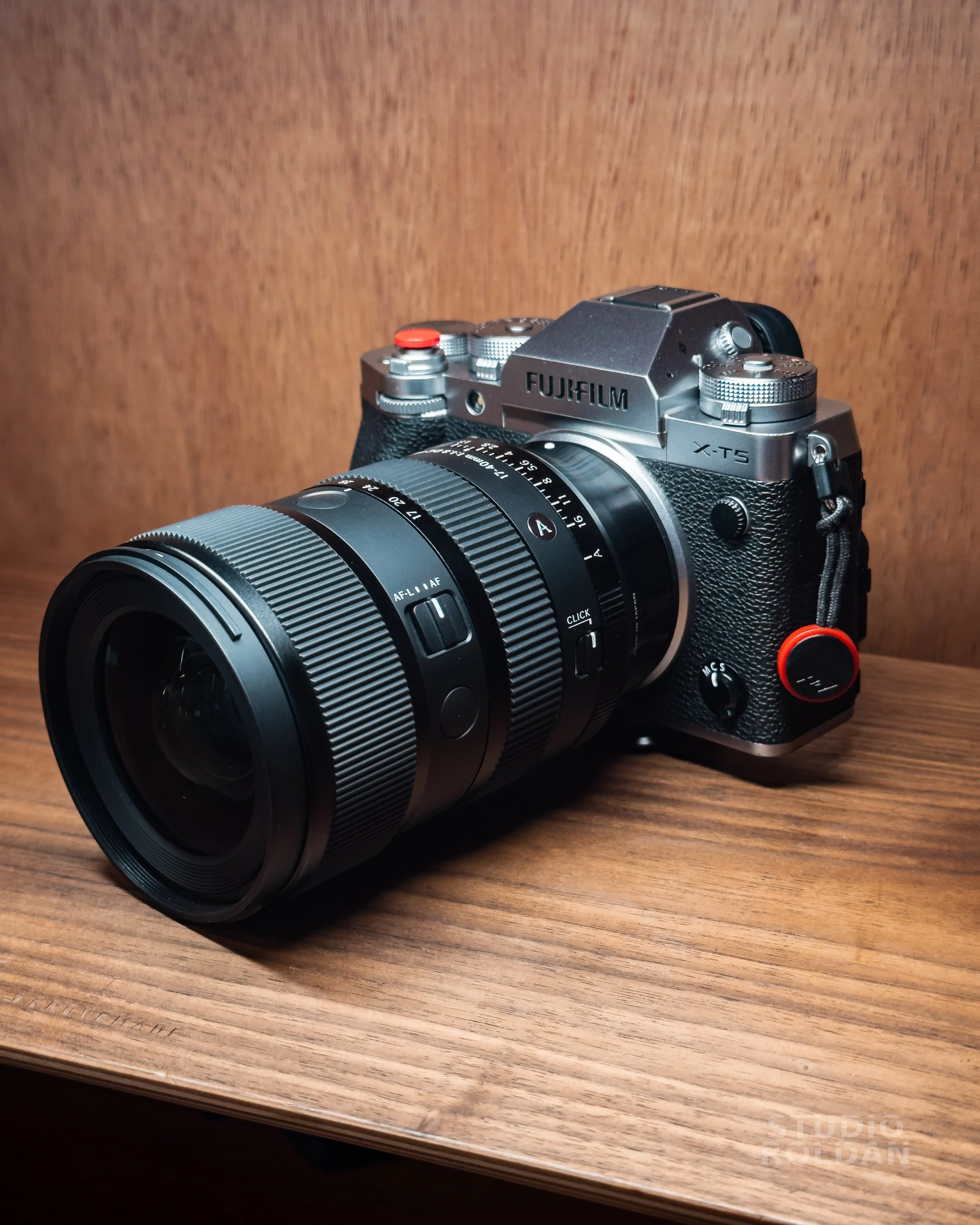
There’s no getting around it: this thing is long. A smaller internal-zoom lens with a constant f/1.8 aperture may not have been practical, though the Sigma still looks oversized on an X-T5. It’s a big boy. Or girl.
Firmware updates require Sigma’s separately sold dock. That’s a lousy policy for a lens in the Art line. The dock should be in the box. Some early X Mount copies also shipped with version 1.0 firmware, which caused compatibility problems with IBIS on certain cameras. Version 1.01 fixed the issue, but owners shouldn’t need another purchase to install a necessary update. What was Sigma thinking? Sometimes I remember that shareholders are greedy AF.
I haven’t managed to assign AF-L to the programmable buttons on my X-T5. I need to spend more time with the settings before blaming the lens.
Handling & Size
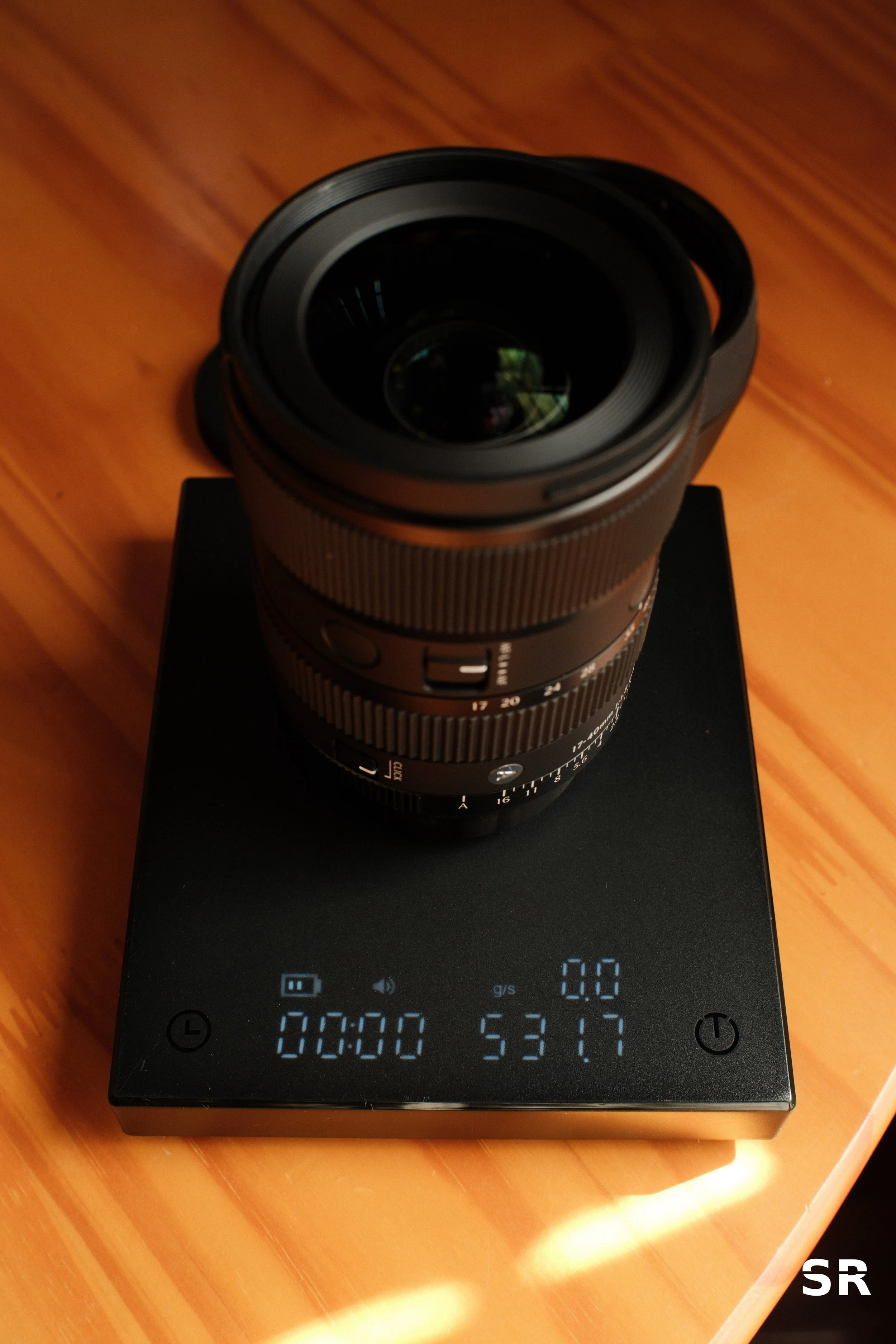
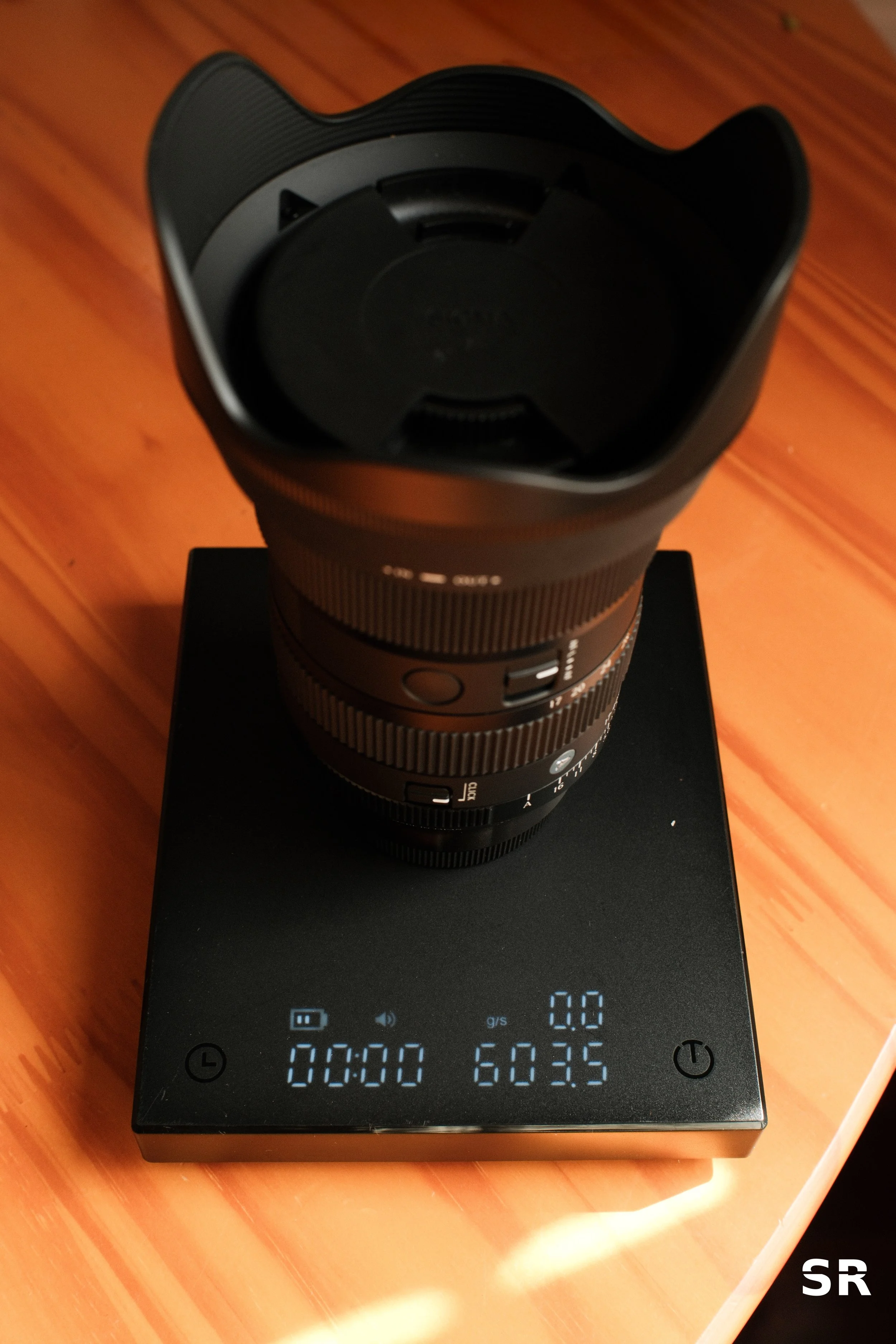
The Sigma is long, but it weighs less than it looks. It comes in at 531 grams, or 603 grams with the caps and hood attached. On my X-T5, even with its relatively shallow grip, the combination feels comfortable.
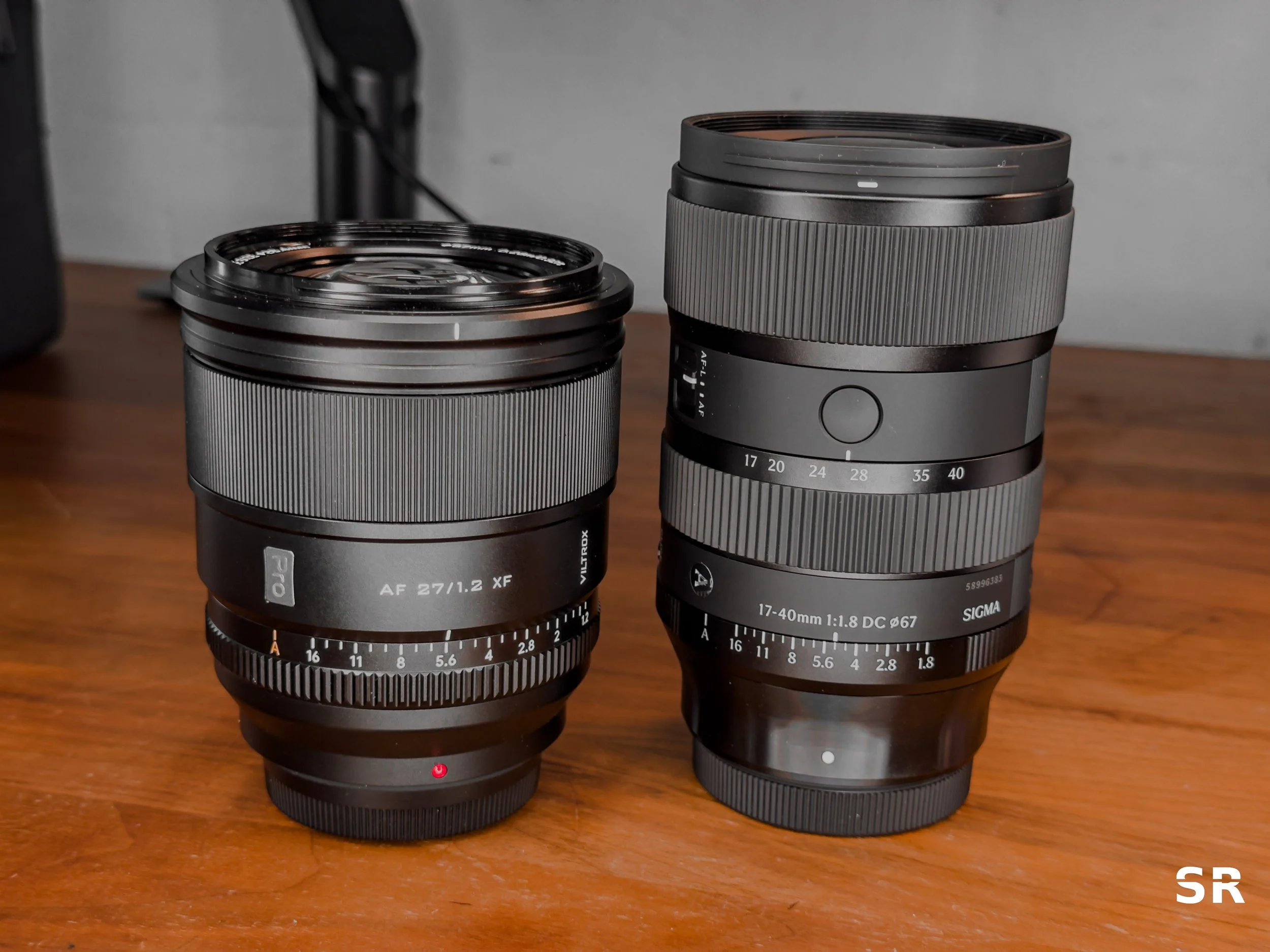
I carried it for several hours without wearing out my hands or shoulders. It also feels easier to manage than a heavy prime such as my Viltrox 27mm f/1.2 Pro.
The size isn’t a deal-breaker for me. I’d happily take a shorter barrel, but the extra length is a fair trade for f/1.8 and internal zooming. This lens has all the right junk in all the right places.
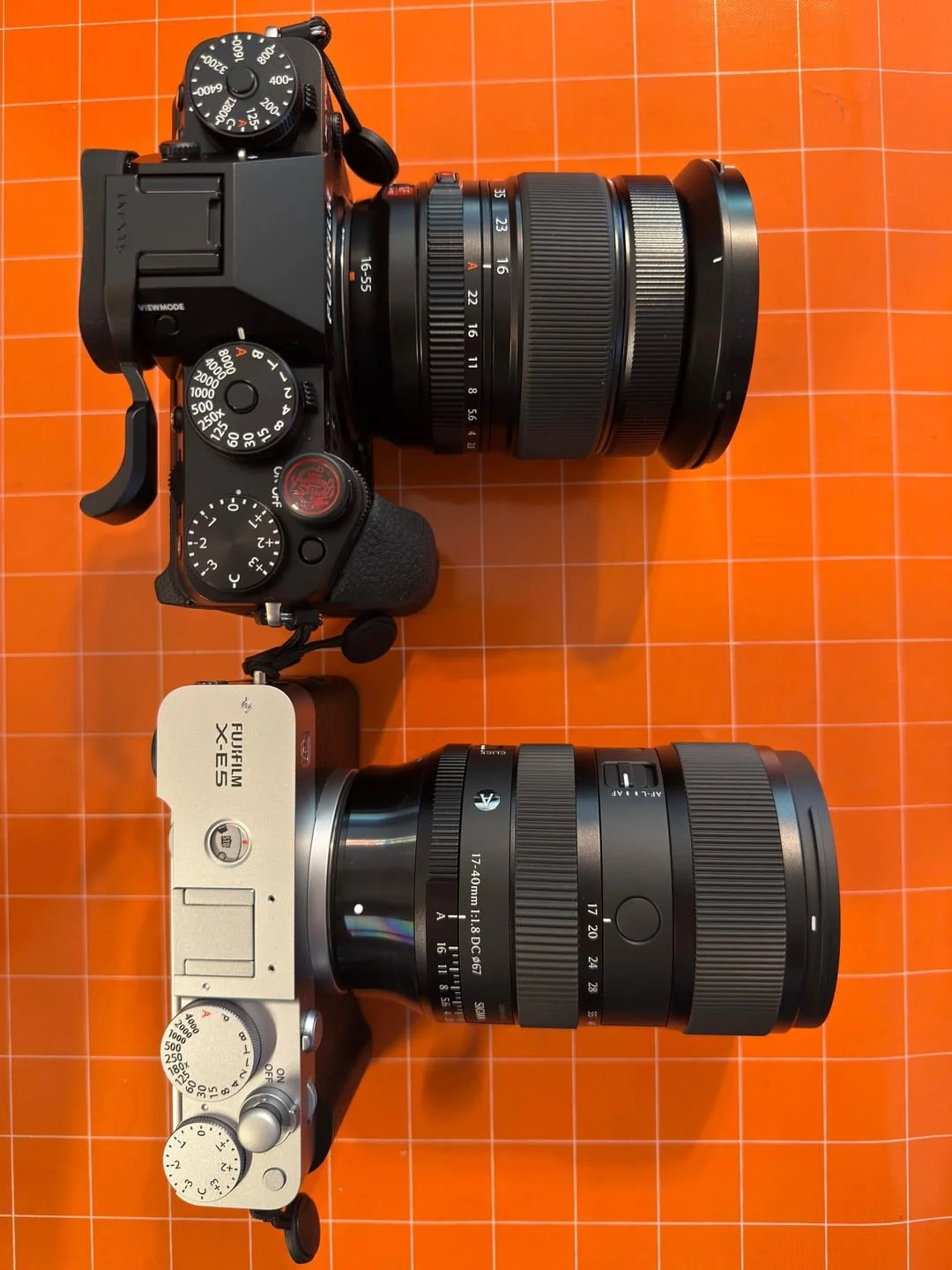
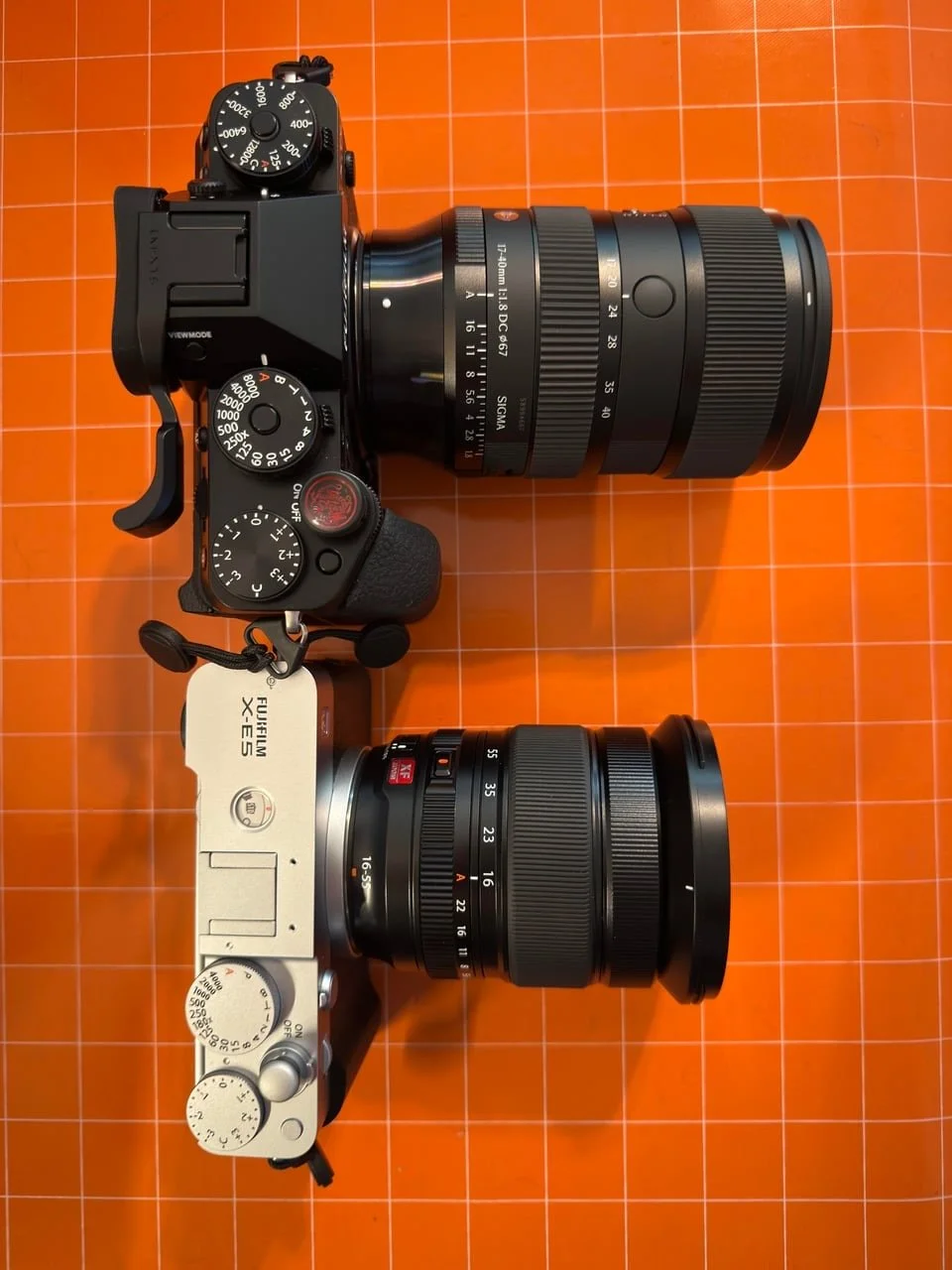
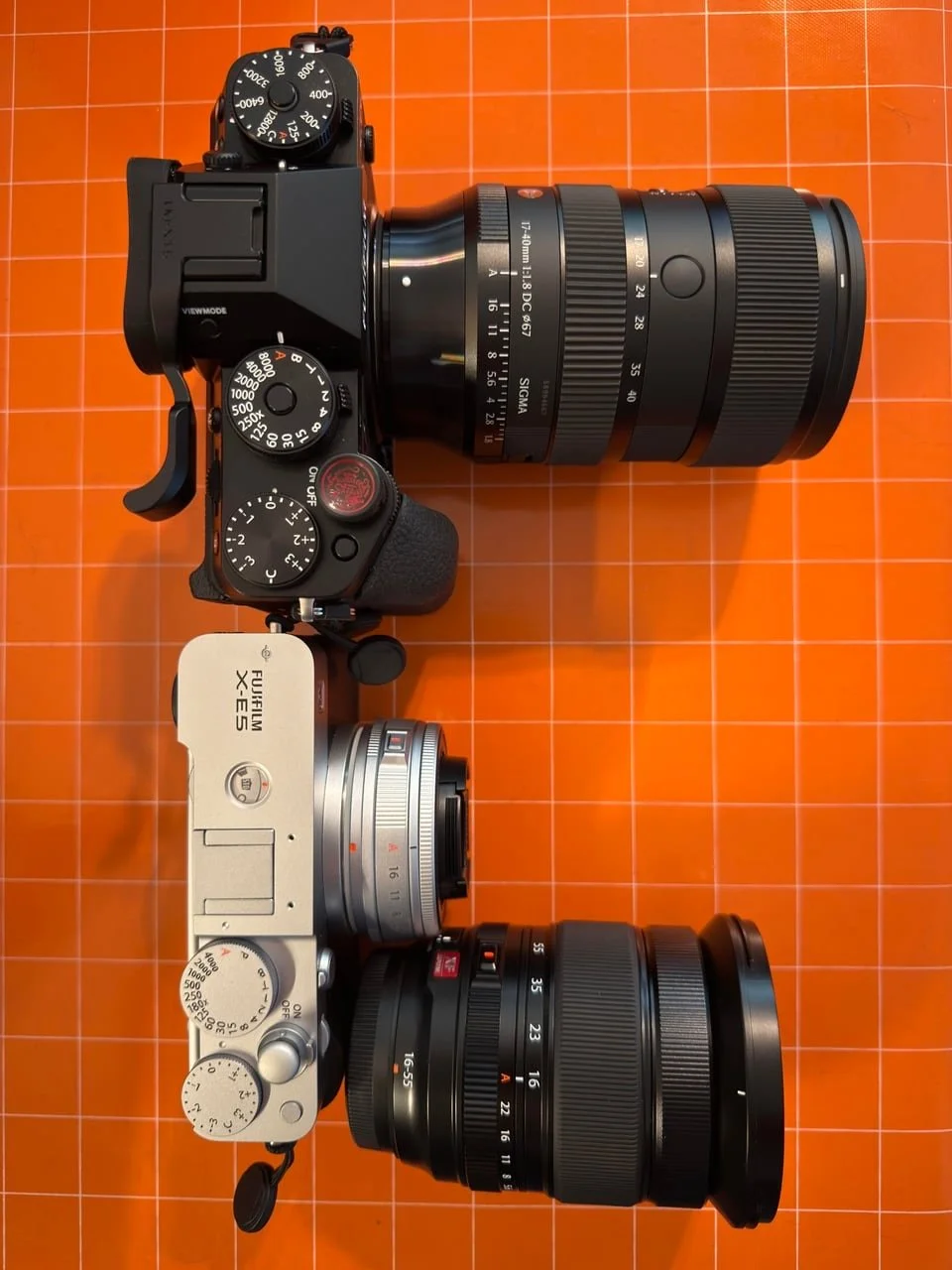
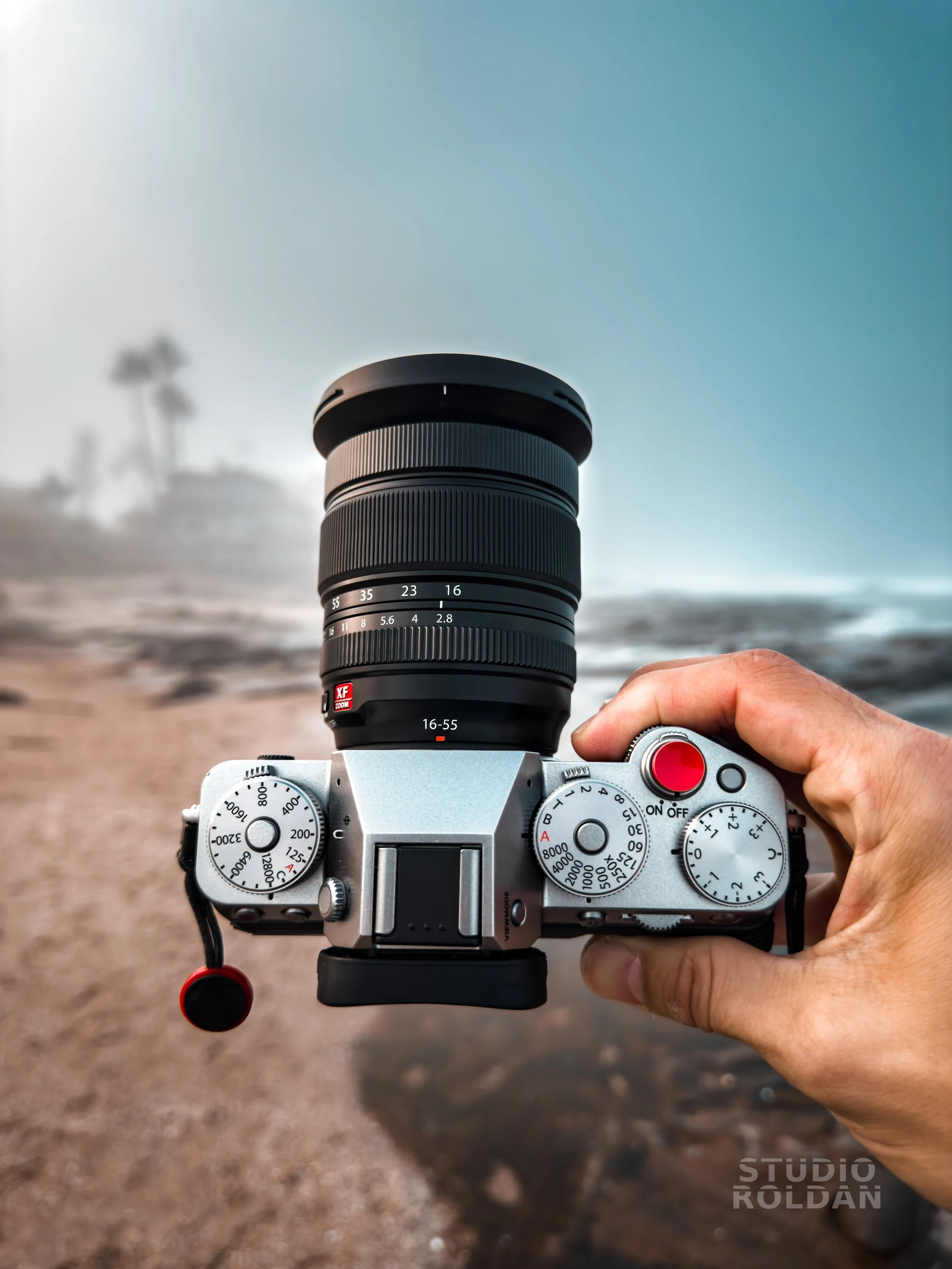
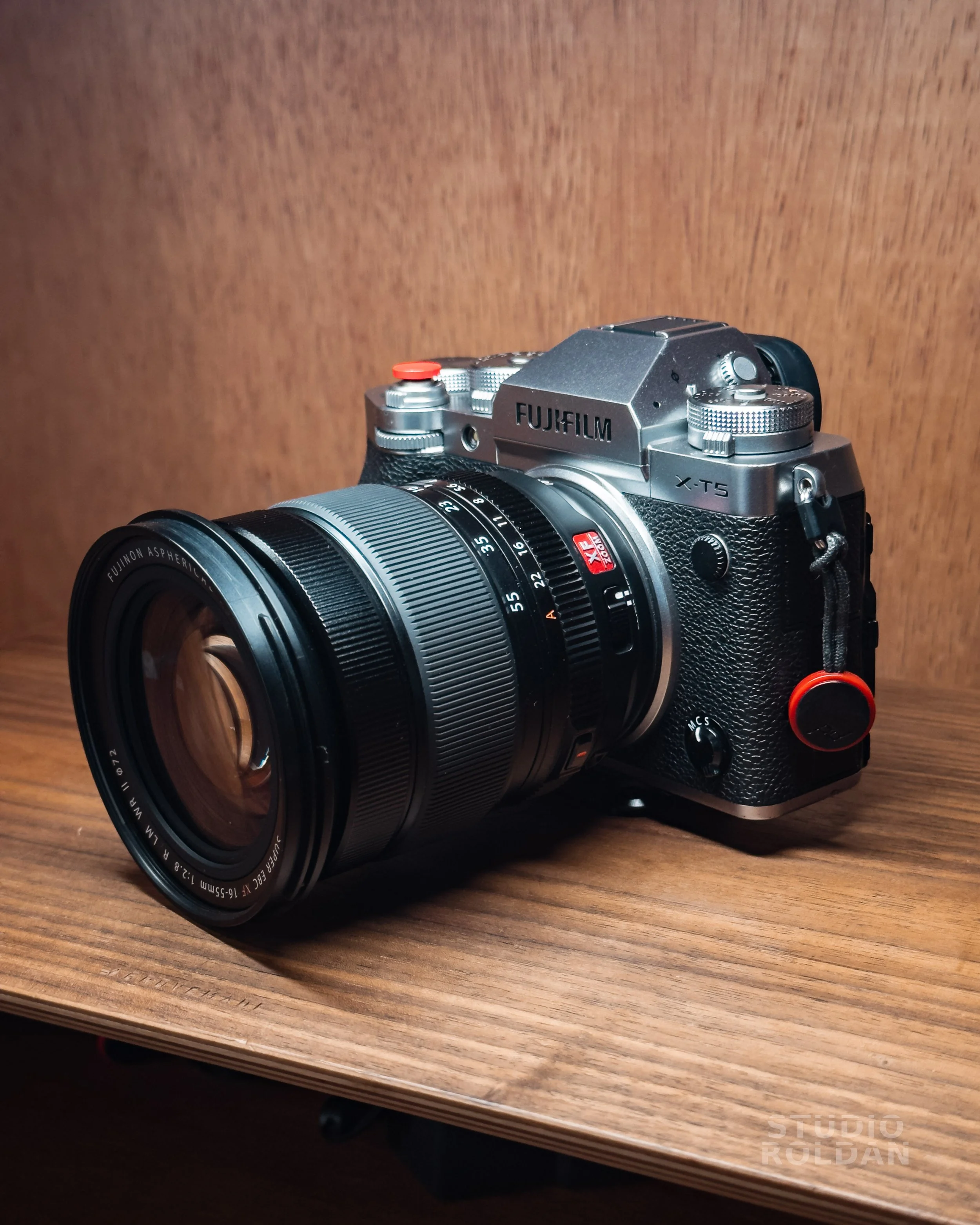
Its closest competitor (For Fujifilm) - The Fujifilm 16-55mm f/2.8 MK II
For X Mount shooters, the Fujifilm 16-55mm f/2.8 MK II is the closest alternative. The Sigma gathers roughly 1⅓ stops more light at every focal length. In a dim restaurant or reception hall, that can mean a lower ISO or a faster shutter speed. At 40mm and f/1.8, it also gives you more subject separation.
The Fujifilm lens is easier to carry all day. The Mark II is about 95mm long and weighs around 410 grams, a substantial reduction from the original 16-55mm. It has weather sealing and takes 72mm filters. The Sigma is roughly 118mm long and weighs about 530 to 535 grams in X Mount. Its zoom is internal, and it uses smaller 67mm filters.
Both focus quickly on recent Fujifilm bodies. Fujifilm uses twin linear motors, while Sigma uses its quiet HLA drive. Neither lens has optical stabilization. With an X-T5, the camera’s IBIS handles that job. On a body without IBIS, you’ll need a steadier hand or a faster shutter speed.
When I bought mine, the Fujifilm cost about $200 more. It also gave up roughly 1⅓ stops of light and used an extending barrel. The Sigma’s extra length mattered less to me than its brighter aperture, so the choice was easy. Someone who spends all day outdoors or wants the lightest kit may reach the opposite conclusion.
For a full head-to-head comparison, see my post: “Sigma vs Fuji - Which Premium Zoom Lens Wins Out.”
Image credit: Reddit user u/GianCortese.
Final Thoughts
After a week with the Sigma 17-40mm f/1.8 DC Art, I’m keeping it. APS-C shooters have been asking for a fast 24-60mm-ish equivalent for years, and this is the first one I’ve used that can replace several primes without becoming miserable to carry.
It has already earned its place in my bag for dim restaurants, city streets at night, and any shoot where I don’t want to stop for a lens change. The long barrel is noticeable, but so is the advantage of shooting at f/1.8.
If most of your work happens under controlled light and you care more about size, the Fujifilm 16-55mm f/2.8 II makes more sense. I chose the Sigma because I often work indoors and after sunset. Those extra 1⅓ stops are worth more to me than the smaller body.
Thanks for stopping by. This blog is proudly ad-free. Some links are affiliate links, which means I may receive a commission if you buy something through them. It doesn’t change your price, and it helps support my photography.